











































Table of Contents
- What Makes Kitchen Appliances Last Longer
- Average Lifespan of Kitchen Appliances by Type
- Key Factors That Determine Durability in Kitchen Appliance Brands
- Kitchen Appliance Maintenance Tips for Longevity
- Mechanical Simplicity vs. Smart Technology
- How to Evaluate Durability Before Buying
- Frequently Asked Questions
Last Updated: September 3, 2026
When you're shopping for kitchen appliances, durability often takes a back seat to price and aesthetics. That's a mistake. A kettle that fails after eighteen months, a toaster that burns unevenly within a year, or a blender that seizes up after light use costs far more in the long run than buying right the first time. The question isn't what's cheapest, it's what lasts. This guide from iHome Direct explores what actually separates reliable appliances from disposable ones.
Many people assume durability correlates with brand reputation alone. The reality is more nuanced. Build quality, component sourcing, repairability, warranty support, and maintenance practices all determine whether an appliance becomes a trusted kitchen fixture or a regrettable purchase gathering dust in a cupboard. Understanding these factors helps you make smarter choices before you buy.
What Makes Kitchen Appliances Last Longer
An appliance's lifespan depends on several interconnected factors, not just the brand name on the front. The materials used in construction, the quality of internal components, how well the design handles thermal stress, and whether replacement parts are readily available all play decisive roles in longevity.
Stainless steel housings resist corrosion better than plastic-heavy designs. Mechanical controls tend to outlast touchscreen interfaces. A kettle with a strong thermostat will boil reliably for years; one with a basic bimetal strip may fail unpredictably. The best kitchen appliance brands for durability invest in these fundamentals rather than chasing the latest smart features.
Thermal cycling, the repeated heating and cooling of components, is where many appliances fail. A kettle that handles this stress gracefully through proper insulation and component spacing will serve you for a decade. One that doesn't will show signs of fatigue within months: slower boiling, erratic temperature control, or sudden failure.
Average Lifespan of Kitchen Appliances by Type
Different appliances have different expected lifespans, and understanding these benchmarks helps you evaluate whether a brand's warranty and design actually reflect realistic durability.
Kettles and toasters typically last between five and ten years with regular use. A well-built kettle with a quality thermostat and strong heating element can easily reach the ten-year mark. Budget models often fail by year three. The HOMCOM kettle and toaster sets, for example, incorporate UK Strix thermostats and stainless steel construction designed to handle daily use without degradation.

Blenders vary widely depending on motor quality and blade assembly. Consumer models range from three to eight years.
Microwaves typically last seven to ten years if the magnetron, the component that generates microwaves, doesn't fail prematurely.
Dishwashers are built to last ten to thirteen years, though spray arm failures and seal degradation often occur earlier if water quality is poor or maintenance is neglected.
Key Factors That Determine Durability in Kitchen Appliance Brands
Build Quality and Materials
The materials chosen for an appliance's housing and internal components determine how it ages. Stainless steel resists corrosion, fingerprints, and thermal stress far better than painted metal or plastic. It doesn't degrade under repeated heating cycles the way cheaper polymers do.
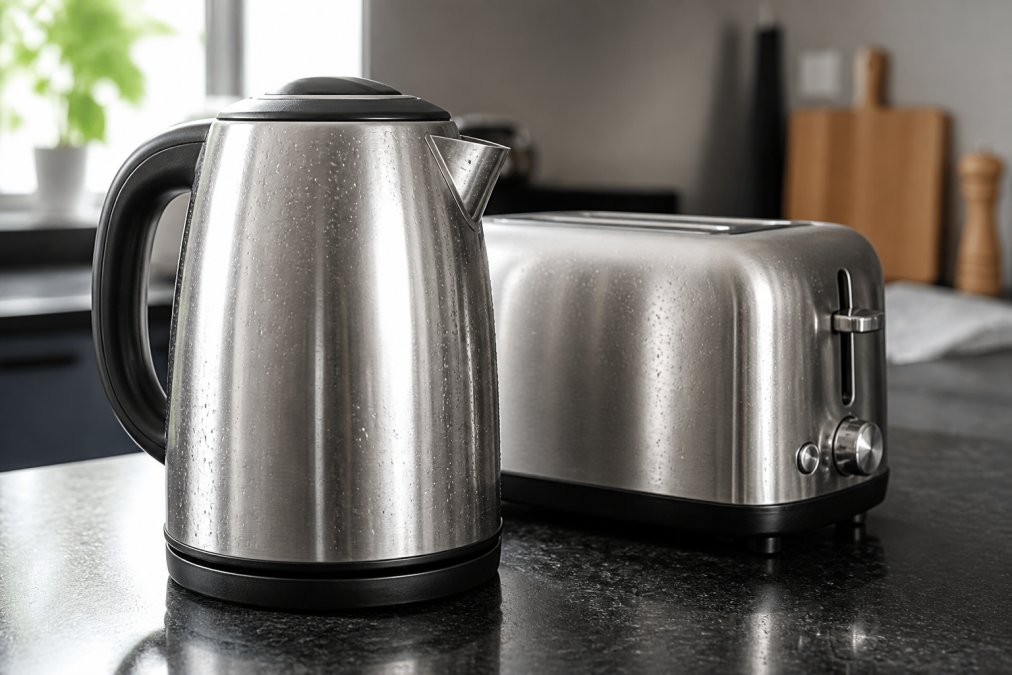
Internal components matter equally. A heating element made from nichrome wire rated for 3000 watts will handle daily boiling without weakening. One rated for 2000 watts running at 3000 will degrade rapidly. The best brands specify component ratings and design margins into their products.
Look for appliances with dual-wall insulation in kettles, sealed motor housings in blenders, and corrosion-resistant fasteners throughout. These details cost manufacturers more but extend appliance life dramatically. The HOMCOM kettle and toaster sets use stainless steel housings with removable, cleanable components, a design choice that prevents limescale buildup and extends operational life.
Thermal management also matters. Appliances that run hot, like toasters and kettles, need proper ventilation and heat dissipation paths. Poor thermal design causes components to degrade faster and can create safety hazards. Quality brands engineer cooling paths into their designs rather than hoping passive cooling suffices.
Repairability and Spare Parts Availability
A durable appliance means nothing if you can't repair it when something fails. The best kitchen appliance brands for durability design for repairability: removable crumb trays, accessible heating elements, and user-replaceable filters.
When spare parts are unavailable, a minor failure becomes a reason to discard the appliance entirely. Check whether a brand offers replacement heating elements, thermostats, and seals as separate purchases. If they don't, the appliance is designed for disposal, not longevity.
Mechanical simplicity aids repairability. A kettle with a basic thermostat and heating element can be serviced by a local electrician. One with proprietary electronics and sealed components cannot. This is where the tension between smart features and durability becomes real: adding WiFi connectivity, touch controls, and sensor arrays makes appliances harder to repair and more likely to fail catastrophically when one component breaks.
Warranty and After-Sales Support
Warranty length and coverage reveal how confident a manufacturer is in their product's durability. A five-year warranty on a kettle suggests the brand expects it to last at least that long. A one-year warranty on the same appliance suggests the opposite.
Read warranty terms carefully. Some cover defects but exclude wear items like thermostats or heating elements. Others cover accidental damage. The best warranties cover component failure but exclude misuse, which is a reasonable balance.
After-sales support matters too. Can you reach customer service easily? Do they respond to fault codes and troubleshooting requests? Will they ship replacement parts quickly? Brands that invest in support infrastructure tend to build appliances worth supporting, a virtuous cycle where durability and service reinforce each other.
Kitchen Appliance Maintenance Tips for Longevity
Even durable appliances fail prematurely if neglected. Simple maintenance routines extend lifespan significantly.
Descale kettles monthly in hard-water areas. Limescale buildup reduces heating efficiency and stresses the heating element. Fill the kettle with a solution of equal parts white vinegar and water, boil, and let it sit for thirty minutes. Repeat if needed. This single step can add years to a kettle's life.
Clean toaster crumb trays weekly. Crumb accumulation creates fire hazards and forces the heating elements to work harder. Most quality toasters, including the HOMCOM range, feature removable crumb trays for easy access.
Wipe kettle and toaster exteriors regularly to prevent dust buildup, which traps heat and accelerates component degradation. A damp cloth once a week is sufficient.
Check kettle cords for damage before each use. Frayed insulation or visible wear means replacement is needed. Many quality kettles, like the HOMCOM 1.7L models, include safety features like automatic shut-off and dry-boil protection, but external damage bypasses these safeguards.

Store appliances in dry environments. Moisture accelerates corrosion and electrical failures. Keep kettles and toasters away from splashing water and steam when not in use.
Use filtered water if your area has hard water. This reduces mineral buildup in kettles and extends heating element life. It's a small investment with measurable returns.
Don't overload toasters with thick bread or foreign objects. Jams force the mechanism to work harder and can damage the heating coils. The best toasters include anti-jam designs, like the auto-centring feature found in HOMCOM models, but even these have limits.
Regular maintenance transforms a decent appliance into a reliable workhorse. Neglect turns even premium brands into disappointments.
Mechanical Simplicity vs. Smart Technology
The rise of connected kitchen appliances has created a tension between durability and features. A kettle that simply boils water will outlast one that sends notifications to your phone when it's ready.
Smart features add complexity, electronics, WiFi modules, and batteries, all potential failure points. A connected toaster with app control and learning algorithms has dozens of components that can fail. A mechanical toaster with simple browning controls has perhaps five.
This doesn't mean smart appliances are always worse. It means you're trading longevity for convenience. If you value having your kettle alert you via your phone, that's a valid choice, just accept that you'll likely replace it sooner than a purely mechanical model.
Mechanical reliability has another advantage: repairability. A thermostat is easier to replace than a WiFi module. A heating element is easier to source than proprietary smart circuitry. If durability matters more than connectivity, mechanical simplicity is the better bet.
How to Evaluate Durability Before Buying
When you're comparing appliances, look beyond the price tag and brand reputation. Here's what to assess.
Check the warranty length. Five years or more suggests confidence in durability. One to two years suggests the brand expects higher failure rates. Compare warranty terms across brands in the same category.
Examine the materials. Stainless steel beats plastic. Sealed components beat exposed electronics. Ask whether internal parts are user-accessible or permanently sealed.
Research component sourcing. Does the brand specify thermostat type, heating element rating, or motor specifications? Brands that list these details are transparent about quality. Vague descriptions like "advanced heating technology" are red flags.
Look for spare parts availability. Visit the brand's website and check whether replacement heating elements, thermostats, seals, or other wear items are sold separately. If they are, the brand expects you to repair rather than replace. If they aren't, you're expected to buy a new appliance.
Read user reviews for longevity. Look for patterns in failure modes. Do users report premature thermostat failure? Corroded heating elements? Electrical problems after two years? These patterns reveal design weaknesses.
Evaluate after-sales support. Can you reach customer service? Do they respond to fault codes? Will they ship replacement parts? Try contacting them with a question before you buy.
Compare like with like. A budget kettle and a premium kettle serve different markets. Compare a £45 kettle to other £45 models, not to a £150 option. Durability scales with price, but you want the most durable option at your budget level.
When you're ready to buy, iHome Direct offers a curated selection of kitchen appliances designed with durability in mind. The HOMCOM kettle and toaster sets, available in multiple finishes and configurations from £43.86 to £72.00, incorporate stainless steel construction, removable components for easy cleaning, and safety features like automatic shut-off and dry-boil protection. These are engineered for the everyday user who wants reliable performance without unnecessary complexity.
The HOMCOM 1.7L Kettle & 4-Slice Toaster Set in Grey (£64.11) combines rapid-boil performance with a reliable thermostat and seven browning levels. The HOMCOM 1.7L 3000W model in Black (£62.99) delivers faster heating for larger households. For those prioritising space efficiency, the HOMCOM 1.7L Electric Fast Boil Kettle and 2-Slice Toaster Set (£43.86) offers the same durability principles in a compact footprint.

Each set includes removable crumb trays, limescale filters, and safety features that reflect a commitment to longevity rather than disposability. The UK Strix thermostat, a component used in professional-grade appliances, ensures consistent heating performance across years of daily use.
Choosing kitchen appliances for durability requires looking beyond brand names and marketing claims. It means understanding materials, component quality, repairability, and maintenance. The best kitchen appliance brands for durability invest in these fundamentals, back their products with realistic warranties, and support users who want to repair rather than replace.
At iHome Direct, we believe your kitchen appliances should bring lasting comfort to your home and add effortless style to your space. That's why we've curated a selection of HOMCOM kettle and toaster sets engineered for reliability, designed with modern aesthetics, and priced to deliver genuine value. With fast UK delivery and a secure checkout process, upgrading to appliances built to last has never been more convenient. Explore our full range today and invest in appliances that work as hard as you do.
Frequently Asked Questions
Q: What is the most durable brand of kitchen appliances?
A: Durability depends on the specific appliance type rather than brand alone. Kettle and toaster sets with stainless steel construction, UK thermostats, and boil-dry protection tend to last longer. Look for brands offering strong warranties, easily replaceable parts, and good technical support. HOMCOM products available at iHome Direct feature these reliability markers, rapid-boil kettles with thermostat control and 4-slice toasters with removable crumb trays for easier maintenance, priced from £43.86.
Q: How long do kitchen appliances typically last?
A: Average lifespan varies by appliance type. Kettles and toasters generally last 5-8 years with regular use, though quality construction extends this significantly. Appliances with stainless steel housings, mechanical controls, and accessible components for cleaning tend to reach the upper end of that range. Proper maintenance, descaling kettles, emptying crumb trays, checking cord integrity, can add 1-2 years to typical lifespan.
Q: What kitchen appliance maintenance tips help them last longer?
A: Regular maintenance extends appliance life substantially. For kettles: descale monthly with white vinegar to prevent limescale buildup, check the thermostat function, and store with the lid open to allow moisture to escape. For toasters: empty the crumb tray after every few uses, avoid inserting metal objects, and keep the exterior dry. Inspect power cords monthly for damage, and allow appliances to cool completely before cleaning. These simple steps prevent component failure and maintain operational performance.
Q: Should I choose mechanical or smart kitchen appliances for better durability?
A: Mechanical appliances generally offer longer lifespans because they have fewer electronic components to fail. Smart features add convenience but introduce circuit boards, sensors, and software that may require replacement. If durability is your priority, choose straightforward designs with physical buttons, manual controls, and simple thermostats. HOMCOM kettle and toaster sets feature mechanical reliability with minimal electronics, focused on fast boiling and consistent browning without unnecessary complexity.
This article was written using GrandRanker