











































































Last Updated: October 25, 2026
Quick Summary
Sustainable kitchenware brands prioritise durability, ethical sourcing, and minimal environmental impact by designing products built to last decades rather than seasons. Brands like Le Creuset, Samuel Groves, and Netherton Foundry offer cast iron, stainless steel, and carbon steel cookware with lifetime warranties, replacement parts, and transparent manufacturing practices that reduce household plastic waste.
- Cast iron, stainless steel, and carbon steel cookware last 25 to 50+ years and improve with age, unlike non-stick coatings that degrade within years.
- Check if brands sell spare parts like handles and lids, as this signals genuine commitment to longevity and repairability.
- Samuel Groves manufactures in Birmingham with a 25-year guarantee, whilst Netherton Foundry in Shropshire spins cookware from recycled steel.
- Glass, stainless steel, and bamboo storage containers replace single-use plastics and reduce kitchen waste when paired with cloth bags and beeswax wraps.
- Material choice depends on your habits: cast iron needs seasoning, stainless steel handles everything, and wood requires hand-washing and occasional oiling.
Table of Contents
- What Makes Sustainable Kitchenware Brands Different
- Sustainable Cookware Brands That Prioritise Durability
- Plastic-Free Kitchen Essentials and Food Storage
- Eco-Friendly Kitchen Products for Everyday Cooking
- How to Reduce Plastic Waste in the Kitchen
- Material Trade-Offs: What to Consider When Choosing
- Finding Your Sustainable Kitchenware at iHome Direct
- Frequently Asked Questions
What Makes Sustainable Kitchenware Brands Different
Sustainable kitchenware brands prioritise durability, ethical sourcing, and minimal environmental impact over disposability. These companies design products built to last decades rather than seasons, using materials that biodegrade or recycle responsibly at the end of their life.
Most mainstream kitchenware follows a linear model: produce, sell, discard. Sustainable kitchenware brands operate differently. They source responsibly, manufacture with reduced waste, and design for longevity. This shift requires upfront investment in better materials and processes, but it translates into products that perform reliably for years and reduce your household's overall plastic waste.
When you choose sustainable kitchenware brands, you're making a practical decision alongside an environmental one. These products often cost more initially, but they eliminate the cycle of replacing cheap items every few months. We stock a curated range of kitchenware designed with longevity in mind, helping you build a kitchen that lasts.
Sustainable Cookware Brands That Prioritise Durability
Durable cookware forms the foundation of any sustainable kitchen. Cast iron, stainless steel, and carbon steel represent the gold standard because they improve with age and can last generations.
Cast iron cookware requires minimal maintenance beyond occasional seasoning. A well-maintained cast iron pan passes through families and improves over time. Stainless steel offers versatility across all heat sources and stovetop types without the seasoning demands.
When evaluating sustainable cookware brands, look beyond marketing claims. Check whether the manufacturer offers replacement handles, lids, or components, this signals genuine commitment to longevity. A brand willing to sell spare parts believes their cookware will outlive its original owner.
Several brands have built their reputation on these principles. For cast iron, brands like Le Creuset and Staub offer enamelled cast iron with lifetime warranties, though the enamel can chip if mistreated. For raw cast iron, Lodge is widely available and inexpensive, and improves with use.
A common pattern among genuinely sustainable brands is transparency about manufacturing location and material sourcing. For example, Netherton Foundry in Shropshire spins its own cookware from recycled steel and publishes details about its supply chain.
Finally, consider the end-of-life options. Cast iron and stainless steel are highly recyclable and often accepted by scrap metal dealers. Some brands, like Samuel Groves, will refurbish older pans. Avoid cookware with bonded non-stick coatings, as these cannot be recycled and often fail within a few years, creating waste.
Plastic-Free Kitchen Essentials and Food Storage
Plastic dominates kitchen storage, but alternatives exist across every category. Glass food storage containers replace plastic takeaway boxes and cling film. Stainless steel containers suit everything from dry goods to liquids. Bamboo and wood serving utensils replace plastic spoons and spatulas without sacrificing function.
The challenge with plastic-free alternatives is understanding their trade-offs. Glass breaks if dropped. Wood requires hand-washing and occasional oiling. Stainless steel costs more upfront. None of these drawbacks make plastic the better choice, they simply require different care habits. Most households adjust within weeks.
Storage solutions matter equally. Jars with metal lids replace plastic containers for dry goods, spices, and leftovers. Cloth bags substitute for plastic storage bags. Beeswax-coated cotton wraps replace cling film for covering bowls and wrapping food. Each swap eliminates single-use plastics whilst improving your kitchen's functionality and aesthetics.
We offer seasoning bottle kitchen hanging storage racks and wall-mounted spice organisers that transform how you store and access everyday essentials. These solutions eliminate the need for plastic containers whilst keeping your kitchen organised and visually appealing.
Eco-Friendly Kitchen Products for Everyday Cooking
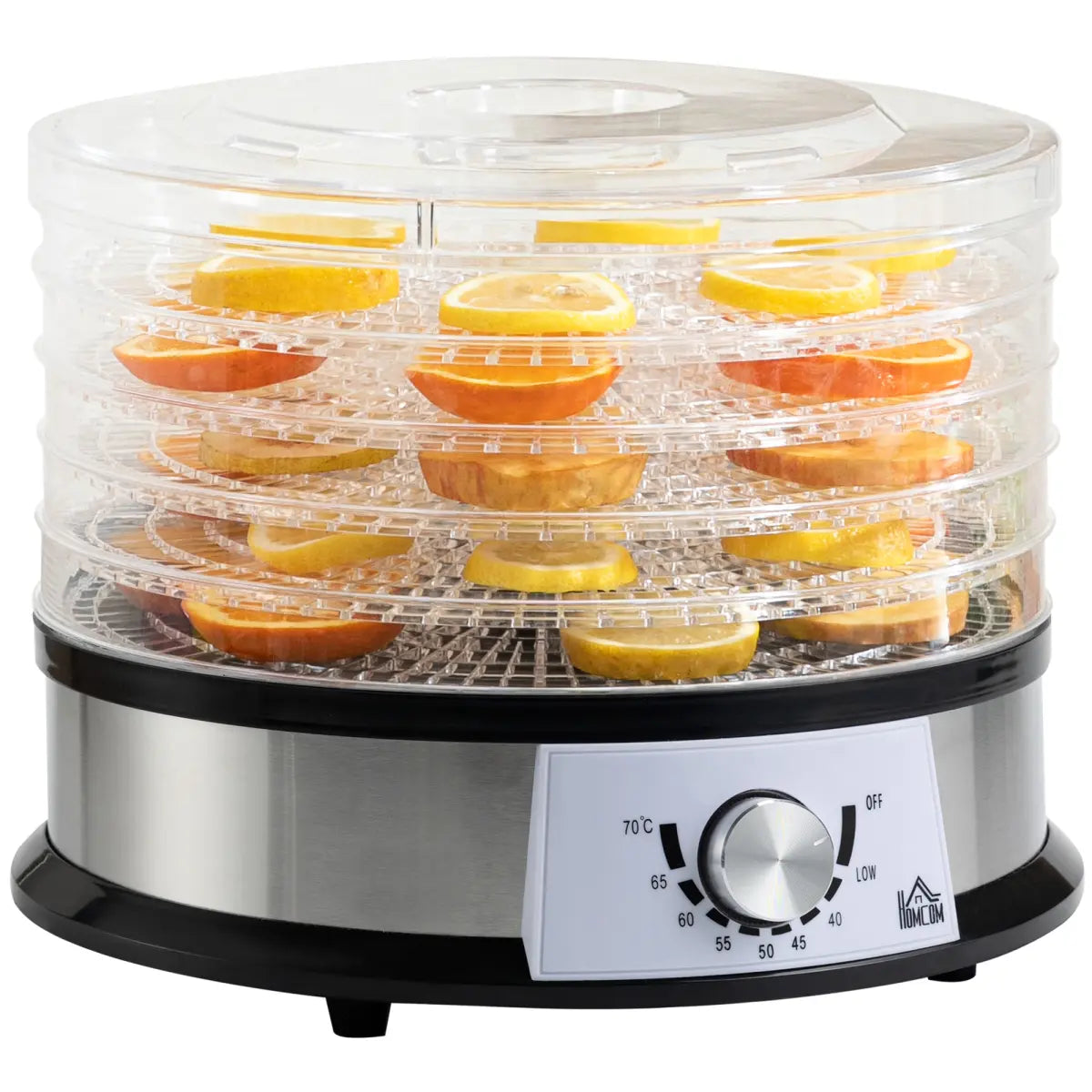
Beyond cookware and storage, everyday kitchen products shape your environmental footprint. Food dehydrators preserve seasonal produce without plastic packaging or electricity-intensive freezing. Quality knives reduce waste by allowing proper vegetable prep and butchery. Mixing bowls in stainless steel or ceramic replace single-use plastics. Measuring cups in glass or wood last indefinitely.
Small appliances present a particular opportunity. Rather than replacing broken devices, choosing durable alternatives means fewer items in landfills. A quality dehydrator or slow cooker works reliably for decades, justifying its cost through years of use. These products often cost more than disposable alternatives, but the calculation shifts when you factor in replacement cycles.
We stock stainless steel food dehydrators and multi-tray drying equipment designed for serious home cooks and food preservationists. These appliances support sustainable practices like drying seasonal fruit, preserving herbs, and creating homemade snacks without packaging waste.
Cleaning products complete the picture. Sustainable kitchenware brands increasingly offer or recommend solid cleaning bars, concentrate refills, and naturally derived formulations. These products eliminate plastic bottles whilst performing as well as conventional alternatives. Many households find they spend less on cleaning products overall because concentrated formulations last longer.
How to Reduce Plastic Waste in the Kitchen
Reducing plastic waste requires strategic replacement rather than wholesale overhaul. Start with items you use daily: water bottles, food storage, and cooking utensils. Replace disposable items first, cling film, plastic bags, takeaway containers. Then address durable items as they wear out, choosing sustainable alternatives when replacement becomes necessary.
A practical approach involves categorising your kitchen into zones. Cooking zone: replace plastic utensils with wood or stainless steel. Storage zone: swap plastic containers for glass or stainless steel. Cleaning zone: switch to concentrated refills or solid bars. Waste zone: eliminate single-use bags by using cloth alternatives.
Many people underestimate how much plastic they use until they attempt to eliminate it. Tracking what you throw away for one week reveals the biggest opportunities. Most households discover they discard more food packaging than food itself, prompting a shift toward bulk buying and reusable containers.
The financial argument often surprises people. Sustainable alternatives cost more per unit but dramatically less per use over their lifespan. A stainless steel water bottle used daily for five years costs less per day than many disposable alternatives.
Material Trade-Offs: What to Consider When Choosing
Different materials suit different purposes, and understanding their characteristics prevents frustration. Cast iron excels at heat retention and browning but requires seasoning and regular maintenance. Stainless steel handles everything but lacks non-stick properties.
Bamboo and wood offer aesthetic appeal and renewable sourcing but require hand-washing and occasional treatment. Stainless steel demands more maintenance than plastic but lasts far longer.
To make informed choices, compare materials on five key criteria: durability, maintenance, safety, environmental impact, and end-of-life options. The table below summarises how common kitchenware materials perform.
| Material | Typical lifespan | Care requirements | Safety notes | End-of-life |
|---|---|---|---|---|
| Cast iron | 50+ years | Season regularly, hand wash, dry immediately | Avoid acidic foods for long periods until well seasoned | Recyclable, often repairable |
| Stainless steel | 25-50 years | Hand wash or dishwasher, avoid abrasive cleaners | Generally inert, but nickel may leach if poor quality | Highly recyclable |
| Carbon steel | 20-50 years | Season like cast iron, hand wash | Reacts with acidic foods if not seasoned | Recyclable |
| Bamboo | 2-5 years (utensils) | Hand wash, oil occasionally | May contain formaldehyde if not food-safe | Compostable (untreated) |
| Wood (e.g., beech, olive) | 5-10 years | Hand wash, oil regularly | Can harbour bacteria if not dried properly | Compostable or burnable |
| Glass | 10+ years | Dishwasher safe, avoid thermal shock | Breakable, but inert | Recyclable |
| Ceramic (glazed) | 5-15 years | Dishwasher safe, avoid knocks | Check glaze for lead/cadmium if imported | Often not recyclable |
Consider your actual kitchen habits when choosing materials. If you rush through washing up, hand-wash-only materials frustrate rather than inspire. If you store acidic foods regularly, certain materials stain or corrode.
Durability varies dramatically within material categories. A cheap stainless steel pan warps under heat; a quality one performs flawlessly for decades. A thin bamboo utensil splinters; a well-made one lasts years.
UK-specific considerations also apply. For wood and bamboo, look for FSC-certified products to ensure responsible sourcing. For ceramics, check that glazes are lead-free and food-safe, especially for imported goods. For stainless steel, confirm the grade, 18/10 is more corrosion-resistant than 18/0.
Finally, think about repairability. Cast iron can be re-seasoned; stainless steel handles can be re-riveted; wooden utensils can be sanded and re-oiled. Brands that offer spare parts or repair services make it easier to extend product life. Before discarding a damaged item, check if a local repair shop or the manufacturer can restore it.
Finding Your Sustainable Kitchenware at iHome Direct
Building a sustainable kitchen needn't involve replacing everything simultaneously. Start with items that fail first or that you use most frequently. A quality cooking pan justifies investment because you use it multiple times weekly. A storage solution makes sense when your current system frustrates you. This staged approach spreads costs whilst allowing you to discover what works for your household before committing further.
We simplify this process by curating sustainable options across categories. Rather than sorting through hundreds of products to identify quality alternatives, our collection focuses on items built to last. We understand that sustainable choices require confidence, knowing that a product will perform as promised and justify its cost through years of reliable use.
Sustainable kitchenware brands represent a genuine shift in how we approach our kitchens. Rather than treating cooking equipment as disposable, these companies design for longevity, repairability, and environmental responsibility. Building your sustainable kitchen happens gradually through thoughtful choices about materials, durability, and your actual usage patterns. iHome Direct supports this journey with carefully selected sustainable kitchenware, storage solutions, and appliances designed to serve your home reliably for years.
Frequently Asked Questions
What are the best sustainable kitchenware brands available?
The best sustainable kitchenware brands focus on durability, responsibly sourced materials, and ethical production. Look for brands using stainless steel, cast iron, bamboo, or recycled materials. Check whether they offer repair services, transparent sourcing information, and long product lifespans. Brands that design for longevity rather than trends typically outperform those chasing fast-moving styles. Visit our website to explore a curated range of sustainable kitchen products that meet these criteria.
How can I tell whether kitchenware is genuinely sustainable?
Genuine sustainable kitchenware brands provide clear information about material sourcing, manufacturing practices, and product lifespan. Look for certifications or third-party verification where available. Assess durability through warranty length and repairability options. Avoid greenwashing: if a brand makes sustainability claims but provides no evidence or detail, treat it with scepticism. Materials like stainless steel and cast iron last decades, whilst bamboo and wood require proper care to prevent degradation. Request product care guides and end-of-life information before purchasing.
Which kitchen items should I replace first to reduce plastic waste?
Start with items you use daily: replace plastic chopping boards with wood or bamboo, plastic storage containers with glass or stainless steel, and plastic utensils with wooden or metal alternatives. Swap plastic wrap and bags for beeswax wraps or silicone covers. Replace plastic measuring cups with glass or metal versions. Washing-up brushes and sponges made from natural fibres reduce microplastic shedding. These everyday swaps have the biggest impact because you interact with them constantly. Prioritise items that wear out quickly or shed particles into food.
Is stainless steel or ceramic cookware more sustainable?
Stainless steel typically edges ahead for long-term sustainability. It resists corrosion, lasts 20+ years with proper care, and is fully recyclable at end of life. Ceramic cookware is non-toxic and performs well, but the non-stick coating degrades over time, making it harder to repair or recycle. However, ceramic cookware is lighter and heats faster, using less energy. The best choice depends on your cooking style and how long you plan to keep the pans. Both beat single-use or short-lifespan alternatives by a significant margin.
