









































Table of Contents
- Step 1: Assess Your Cooking Habits and Kitchen Workflow
- Step 2: Essential Kitchen Tools for Beginners
- Step 3: Space-Saving Kitchen Gadgets for Small Kitchens
- Step 4: Why Do Kitchen Gadgets Go Unused?
- Step 5: Materials, Durability and Easy Maintenance
- Step 6: Budgeting, Sustainability and Long-Term Value
- Conclusion
- Frequently Asked Questions
Last Updated: September 16, 2026
Step 1: Assess Your Cooking Habits and Kitchen Workflow
The most useful kitchen gadgets are the ones you reach for daily, not the ones that look clever on a shelf. Before buying anything, track how you actually cook for one week. This simple habit stops most wasted spending.
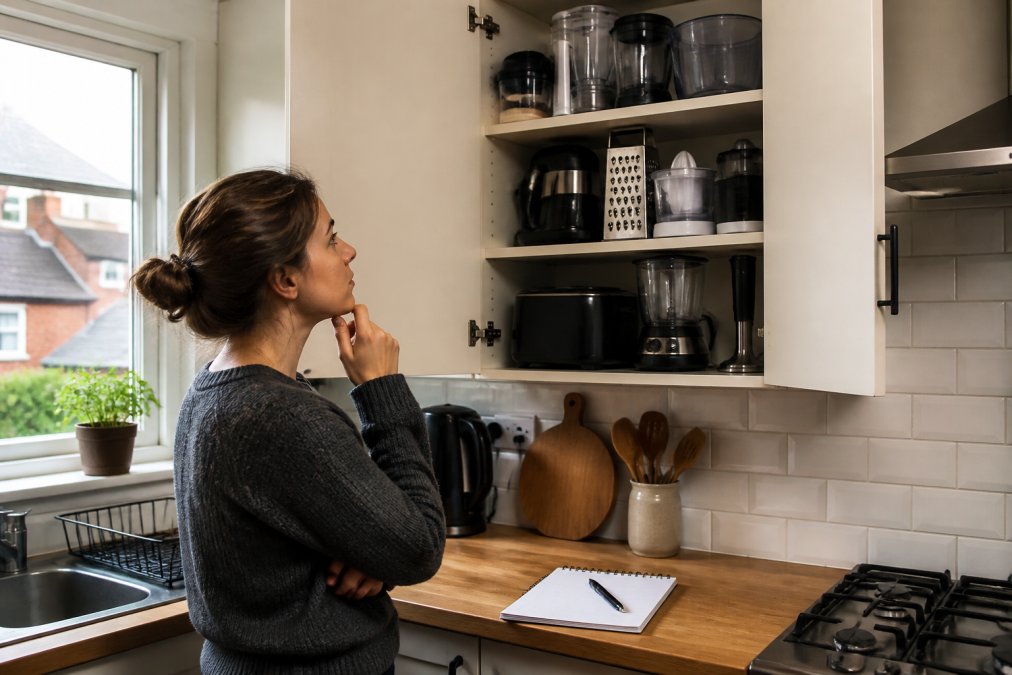
Questions to Ask Before You Buy
Write honest answers to these before you spend anything:
- How many people do you cook for most nights?
- Which cooking methods do you use most: frying, baking, boiling, grilling?
- How much worktop space do you have free, in centimetres?
- How often do you cook from scratch versus reheating?
- What do you currently own that already does this job?
If you cannot answer the last question, you probably already own something that covers the need. That is the first filter, and it saves the most money.
Step 2: Essential Kitchen Tools for Beginners
A beginner's kitchen needs a small core of reliable tools, not a drawer full of novelty items. The essentials are a good knife, a chopping board, a saucepan, a frying pan, a mixing bowl, a measuring jug, and a set of utensils.
A Starter Kit That Actually Gets Used
Instead of a shopping list, think in layers. Each layer earns its place only once the layer below it is in regular use.
Layer 1, The daily core (buy first)
- One 20 cm chef's knife or santoku, plus a small paring knife
- One large chopping board (wood or sturdy plastic) and one small board for garlic, chilli, and raw meat
- One 20 cm non-stick frying pan and one 18-20 cm saucepan with a lid
- One mixing bowl, one measuring jug, one set of measuring spoons
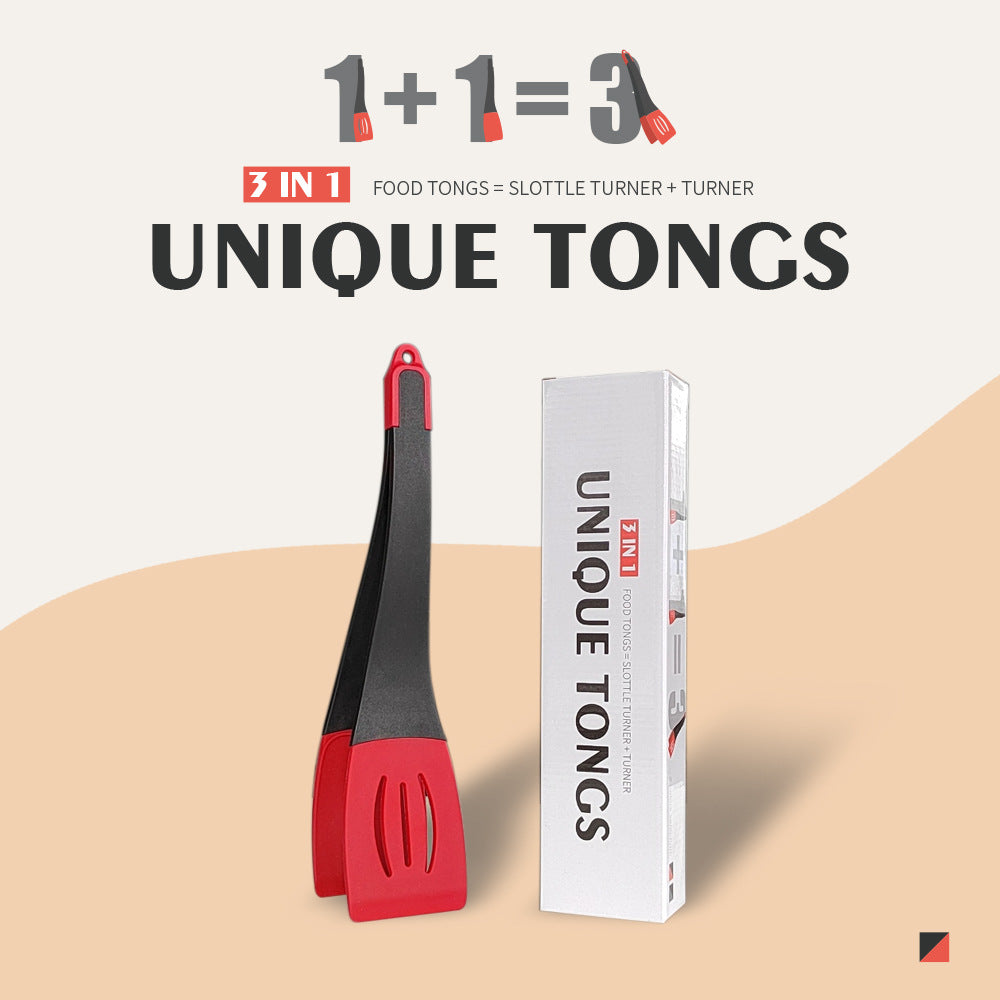
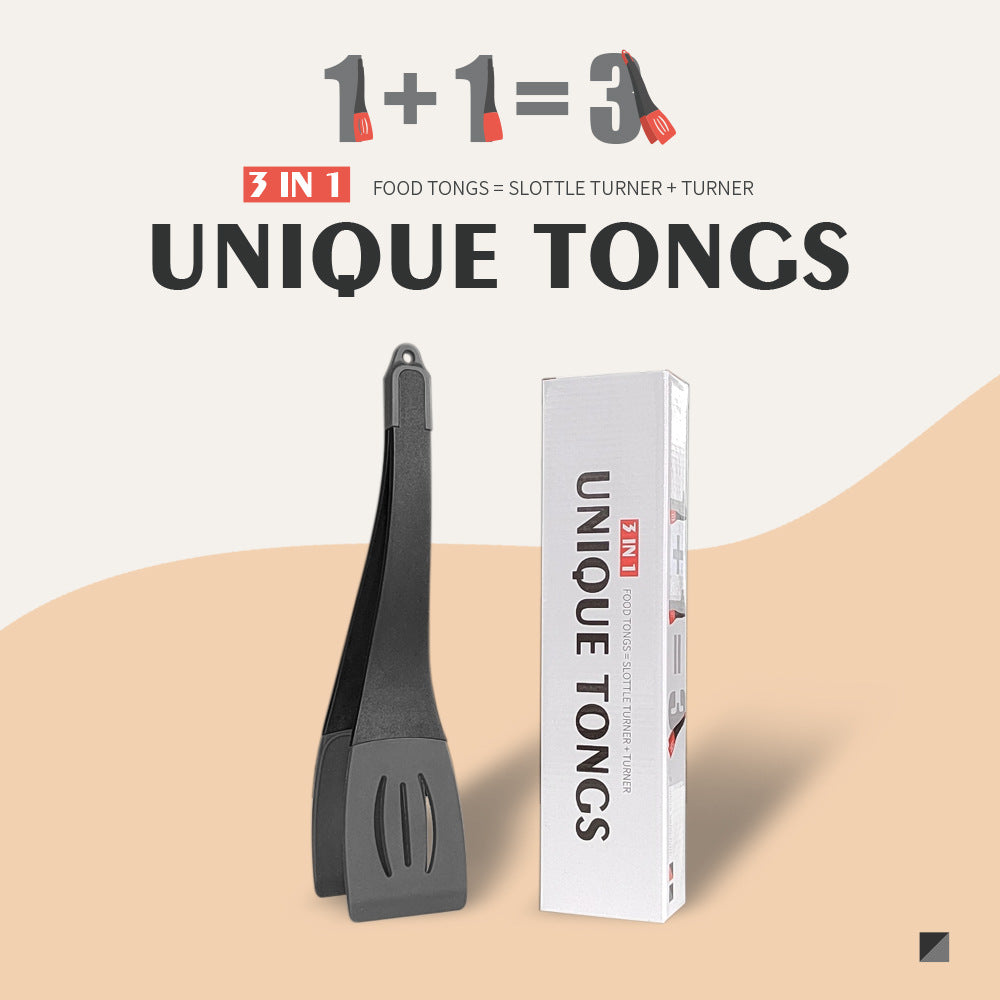
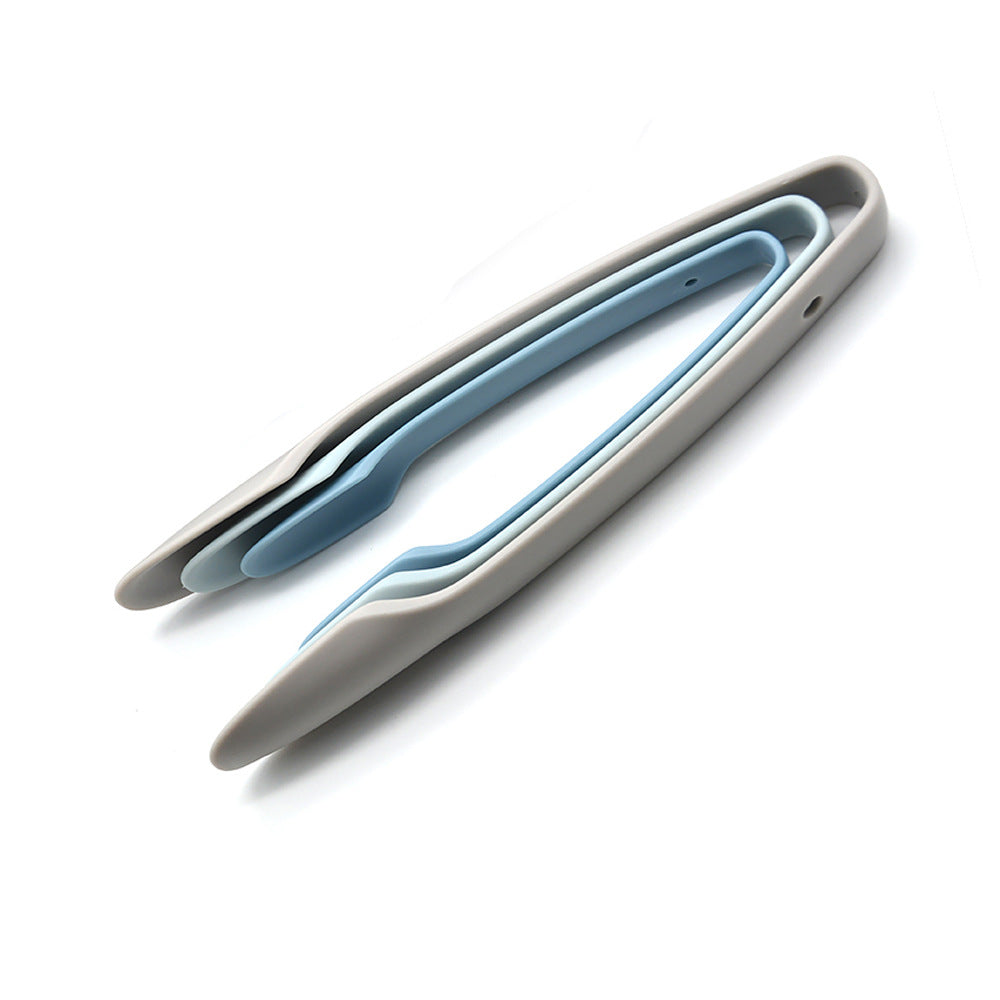
- One wooden spoon, one slotted spoon, one spatula, one pair of tongs
Layer 2, Add when you notice the gap
- A second saucepan or a small milk pan if you often cook two things at once
- A baking tray and a roasting tin if you roast weekly
- A colander or sieve if you drain pasta or rinse rice often
- A grater if you buy blocks of cheese rather than pre-grated
Layer 3, Only if you cook the dish often
- A blender or stick blender for soups and smoothies
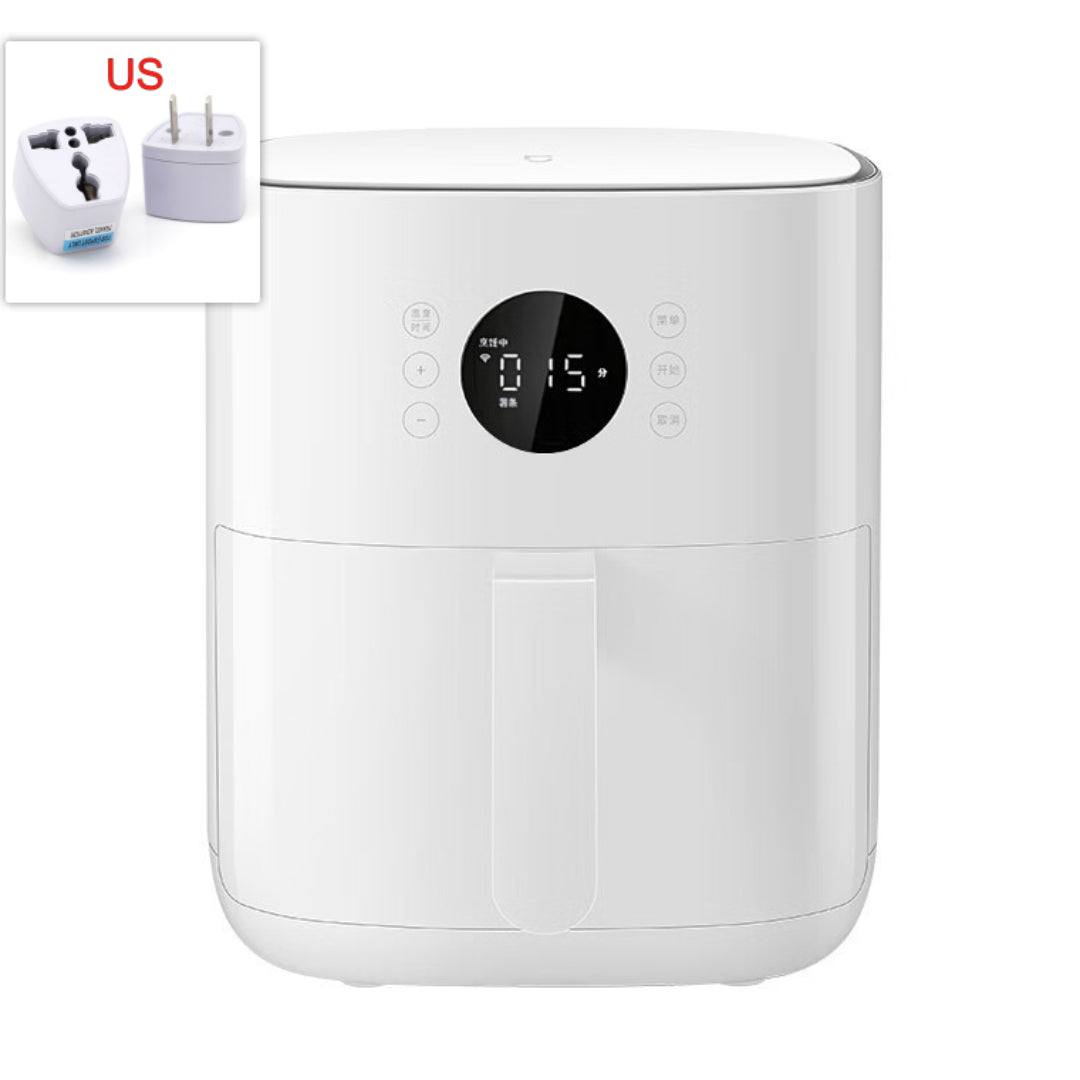
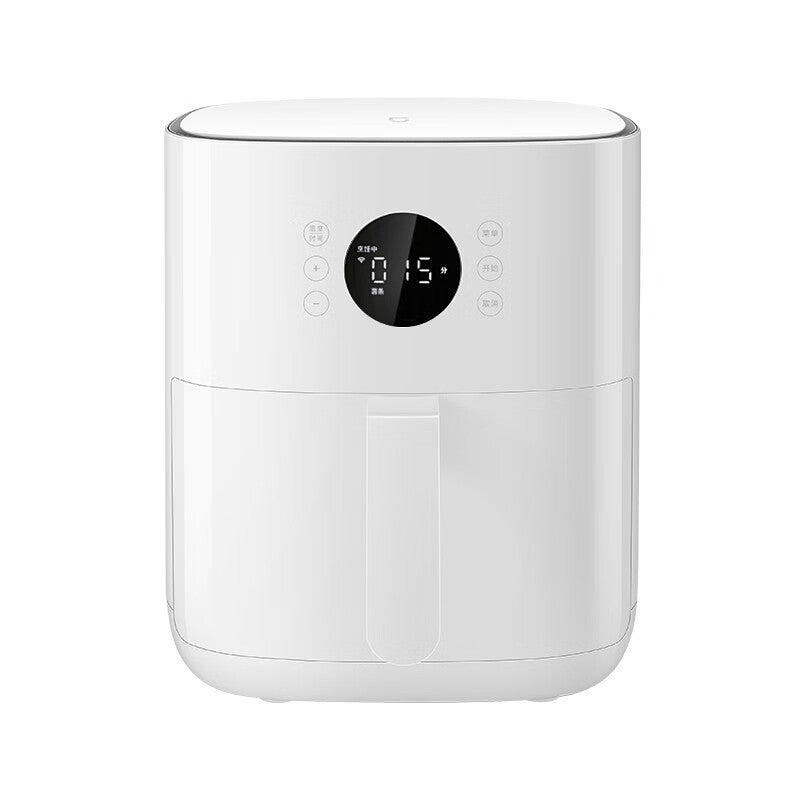
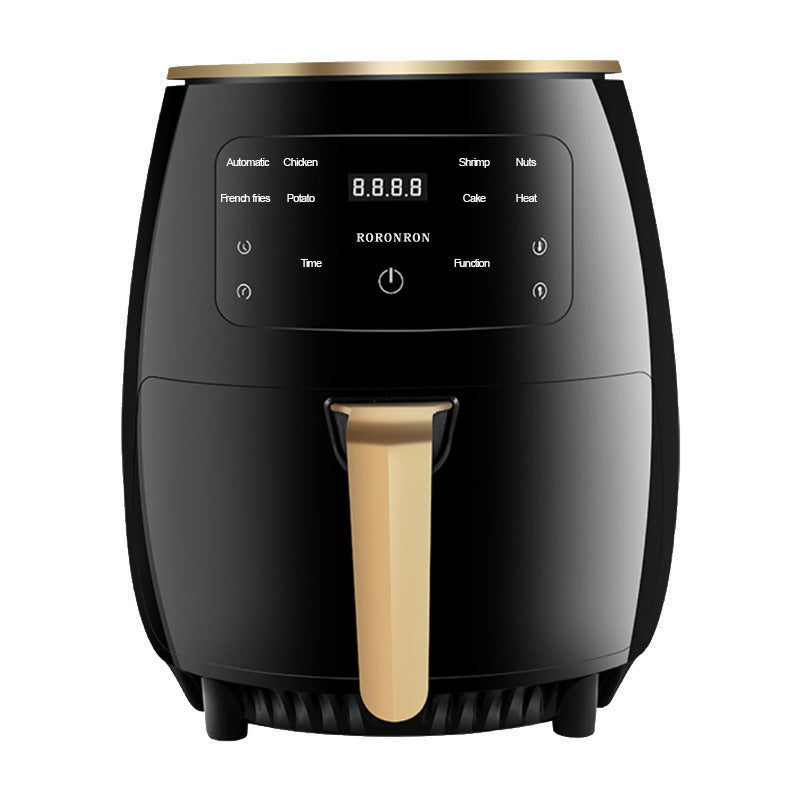
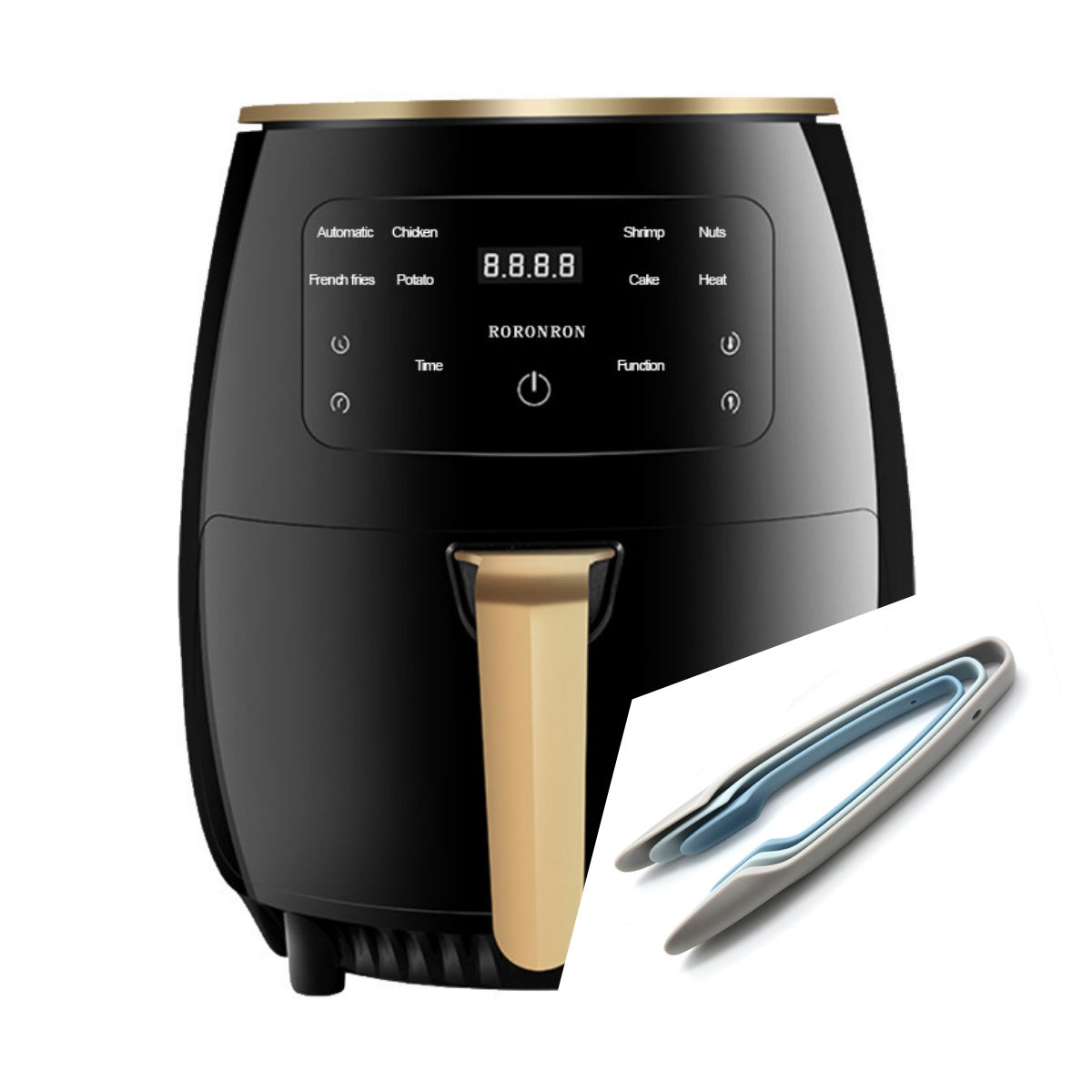
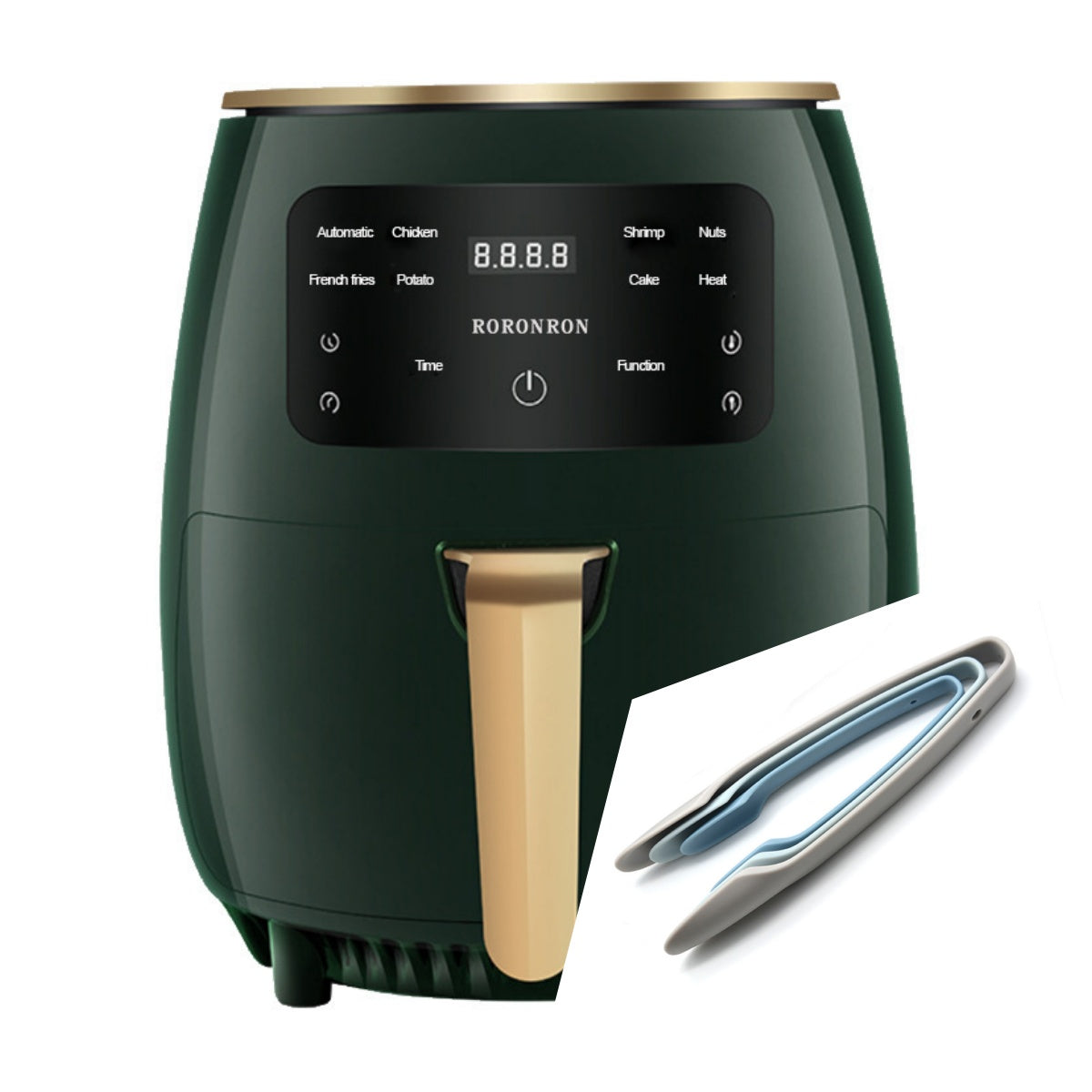
- An air fryer for quick roasting and reheating
- A slow cooker for planned, batch-cooked meals
What to Look For in Each Piece
- Knife: A full tang (the metal runs through the handle) and a comfortable grip matter more than brand. A knife that feels balanced in your hand will be used; a heavy, awkward one will not.
- Frying pan: Check the base sits flat on your hob, induction hobs need a magnetic base, gas and electric do not. A pan that wobbles will frustrate you every time.
- Chopping board: Wood is gentler on knife edges; plastic is easier to sanitise for raw meat. Many cooks keep one of each.
- Saucepan: A thick base spreads heat evenly and reduces scorching. Thin, lightweight pans are cheaper but burn more easily.
- Utensils: Heat-resistant silicone or wood will not scratch non-stick coatings. Metal utensils will.
The Beginner Trap to Avoid
Beginners often buy a 12-piece knife block, a full utensil set, and three specialist gadgets in the first month. Within a year, most of it is unused. The tools that get used daily are often the ones bought individually, chosen for a specific job, and replaced only when they wear out.

Step 3: Space-Saving Kitchen Gadgets for Small Kitchens
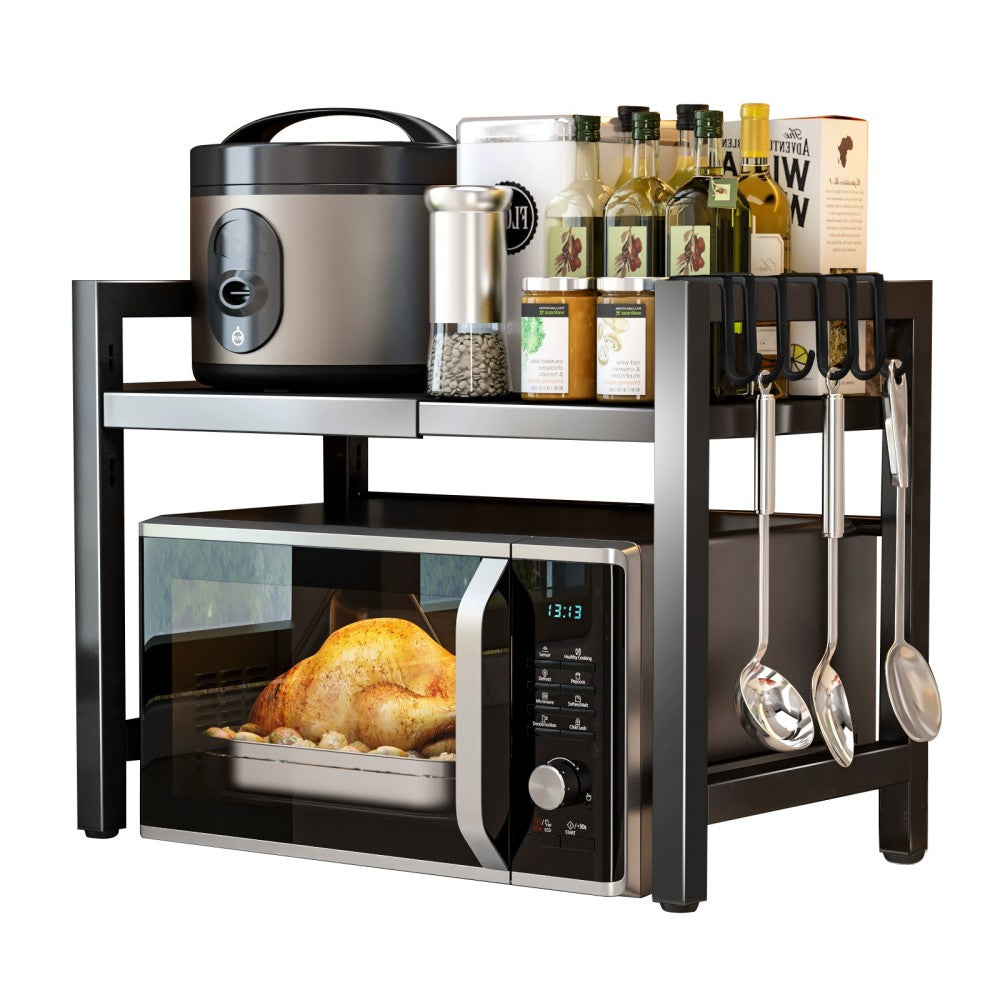
Small kitchens reward gadgets that fold, stack, or do more than one job. If your worktop space is tight, look for tools that collapse for storage or replace two items you already own.
Useful space-saving kitchen gadgets include:
- Collapsible measuring cups and funnels that flatten for storage
- Stackable mixing bowls that nest inside each other
- A single air fryer that bakes, roasts, and grills instead of separate appliances
- Wall-mounted or under-shelf racks for utensils and boards
- A folding chopping board that doubles as a serving surface
Measure Before You Buy, The Three Numbers That Matter
Most space-saving purchases fail because the buyer measured the wrong thing. Before you buy any appliance or storage gadget, note these three figures:

- Free worktop depth and width, in centimetres. Measure the actual clear space, not the whole worktop. Leave at least 10 cm behind an appliance for ventilation and cable clearance.
- Cupboard height and shelf gap, in centimetres. A gadget that fits the worktop but not the cupboard will live on the worktop permanently, taking up the space you were trying to save.
- Door swing and drawer pull clearance. A wall-mounted rack or a tall appliance can block a cupboard door from opening fully. Check this before drilling or buying.
The Nesting and Stacking Test
A gadget is genuinely space-saving only if it stores smaller than it works. Apply this test:
- Does it collapse, fold, or nest? Collapsible measuring cups, nesting mixing bowls, and folding boards all store in a fraction of their working size.
- Does it replace two items you already own? A single air fryer that bakes, roasts, and grills can replace a countertop oven and a fryer. That is a net gain in space, not a loss.
- Does it store vertically? Boards, trays, and racks that stand on edge use far less cupboard space than those that lie flat.
- Does it have a dedicated home? If you cannot say where it will live when not in use, it will end up on the worktop.
Multi-Purpose Tools vs Single-Use Gadgets
Multi-purpose tools earn their place. Single-use gadgets usually do not.
| Gadget Type | Worktop Footprint | Jobs Handled | Best For |
|---|---|---|---|
| Multi-purpose air fryer | Medium | Bake, roast, grill | Small kitchens, daily cooking |
| Single-use egg boiler | Small | Boiled eggs only | Rarely worth the space |
| Collapsible measuring set | Minimal | All measuring | Every kitchen |
| Avocado slicer | Small | One fruit | Occasional use |
The One-In, One-Out Rule for Small Kitchens
Small kitchens feel clutter faster than large ones because there is no spare surface to absorb it. The One-In, One-Out Rule is the simplest defence: every time a new kitchen tool comes in, one goes out. If you cannot name the item leaving, you probably do not need the new one.
Step 4: Why Do Kitchen Gadgets Go Unused?
Kitchen gadgets go unused for three main reasons: they are hard to clean, they take too long to set up, or they solve a problem the owner does not actually have. Understanding this before you buy is the single best defence against clutter.
Step 5: Materials, Durability and Easy Maintenance
Durable materials and easy cleaning decide whether a gadget lasts or gets abandoned. Stainless steel resists rust and handles daily use. Non-stick coatings make cooking and washing quicker, but they need gentler handling to last.
Check these points before buying:
- Dishwasher safe: Saves time every single day. Confirm it on the listing.
- Heat resistance: Utensils and boards should handle hot pans without warping.
- Coating quality: Look for non-stick baskets that are free from PFOA and BPA if that matters to you.
- Build material: Steel and sturdy plastics outlast thin, flexible alternatives.
The One-In, One-Out Rule
The One-In, One-Out Rule is a simple way to stop gadget clutter building up: every time a new kitchen tool comes in, one goes out. If you cannot name the item leaving, you probably do not need the new one.
Step 6: Budgeting, Sustainability and Long-Term Value
Budgeting for a kitchen setup works best when you spend more on the tools you use daily and less on the ones you use occasionally. A cost-benefit approach beats chasing the lowest price on everything.
Gadget maintenance and longevity come down to small habits:
- Clean non-stick surfaces with soft sponges, never metal scourers
- Dry steel parts fully to prevent spots and rust
- Store blades and sharp tools safely to keep edges intact
- Check seals and cords regularly on anything powered
Conclusion
Choosing useful kitchen gadgets comes down to matching tools to your real habits, your space, and your budget, rather than to what looks appealing in a shop. Measure first, ask whether you will use it weekly, and let the One-In, One-Out Rule keep clutter under control.
Frequently Asked Questions
How do I know if a kitchen gadget is worth the cupboard space?
Ask yourself three questions: will you use it at least once a week, does it replace two or more tools you already own, and can you store it without rearranging your entire kitchen? If the answer to any is no, leave it. The best kitchen gadgets earn their place through regular use, not occasional novelty. Also check whether it is dishwasher safe and easy to clean, because fiddly maintenance is the main reason gadgets end up forgotten at the back of a cupboard.
What are the essential kitchen tools every beginner needs?
Start with a chef's knife, a chopping board, a saucepan, a frying pan, a mixing bowl, a wooden spoon, a spatula, and a set of measuring spoons. These cover most food preparation tasks. Add a colander, a grater, and a baking tray as your cooking expands. For appliances, a multi-functional air fryer can replace several single-use gadgets, saving worktop space while handling roasting, baking, and grilling in one unit.
How can I avoid buying kitchen gadgets that go unused?
Follow the One-In, One-Out rule: for every new gadget you bring in, remove one you no longer use. Before buying, picture exactly when you would use it during a normal week. If you cannot name a specific meal or task, it will likely sit unused. Also avoid buying for a version of yourself who cooks differently than you actually do. Match the gadget to your real habits, not your aspirational ones.
Are multi-functional kitchen gadgets better than single-use tools?
Multi-functional gadgets usually win in small kitchens because they save worktop space and often cost less than buying several separate tools. A dual-zone air fryer, for example, can cook two dishes at once, replacing the need for a separate oven, grill, and fryer. Single-use tools only make sense if you use them very often and they do one job noticeably better. Otherwise, versatility and storage capacity should guide your choice.