























































Table of Contents
- The Real Scale of Unused Kitchen Gadgets
- The Psychology Behind Buying Kitchen Gadgets We Never Use
- The Most Overrated Kitchen Gadgets and What to Buy Instead
- The Environmental and Financial Cost of Gadget Graveyards
- How to Declutter Kitchen Appliances You No Longer Use
- Recycling Small Electricals UK: Your Disposal Options
- Conclusion: Choose Appliances That Earn Their Place
- Frequently Asked Questions
Last Updated: September 6, 2026
Walk into any UK household and you will likely find a cupboard crammed with small appliances bought with good intentions. The question of why do kitchen gadgets go unused UK is one that most of us recognise from our own countertops. An impulse purchase made during a late-night scroll sits gathering dust beside a wedding-present food processor that has never been switched on. This guide explains the psychology behind them, the real costs involved, and how to break the cycle for good.
Most people do not set out to waste money. The purchase feels sensible at the time, promising healthier meals, time saved, or the joy of cooking from scratch. Yet the appliance lifespan of many gadgets ends before the warranty does. Below, we will show you exactly how to spot which kitchen electricals deserve cupboard space, which are destined for landfill, and how to dispose of them responsibly when the time comes.
The Real Scale of Unused Kitchen Gadgets
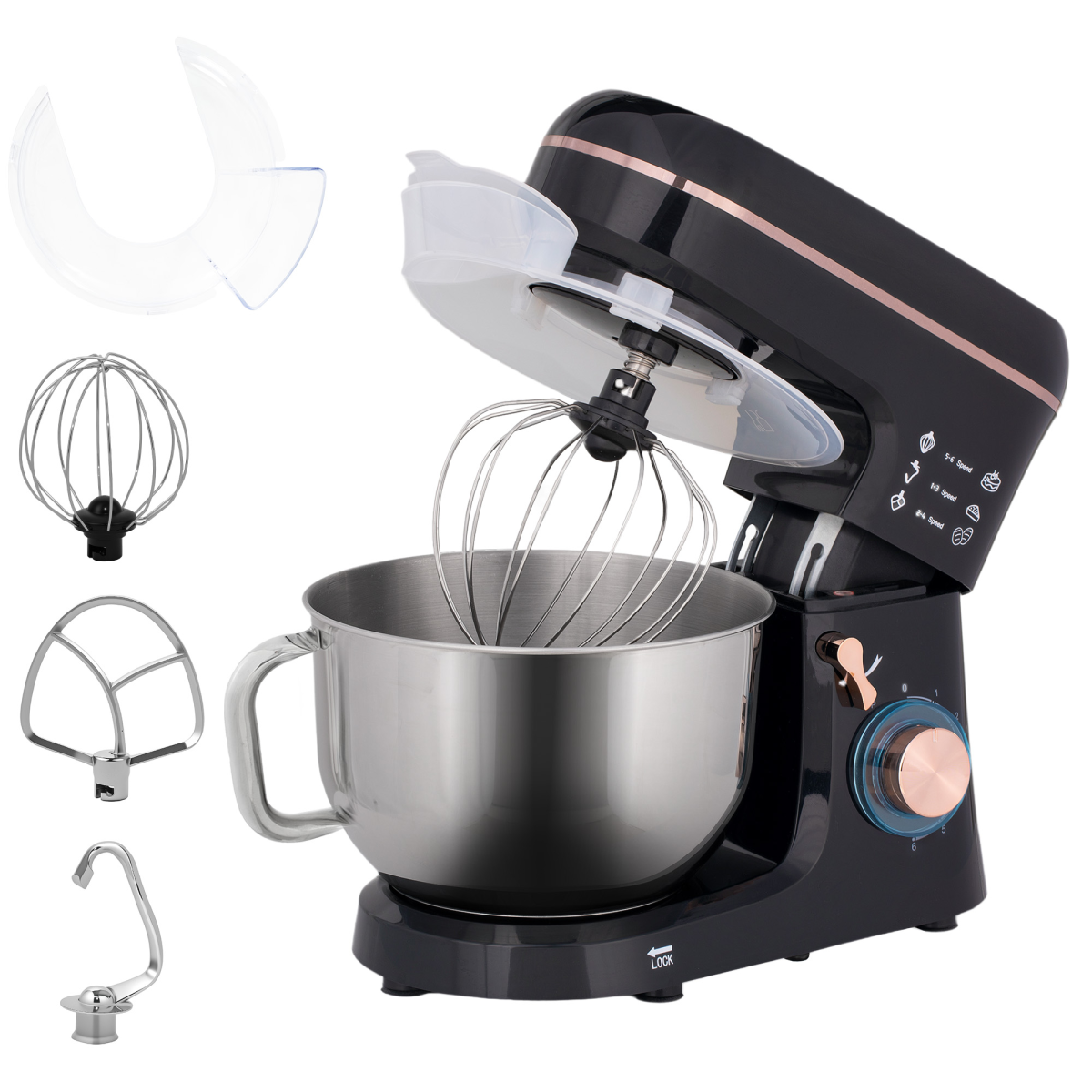
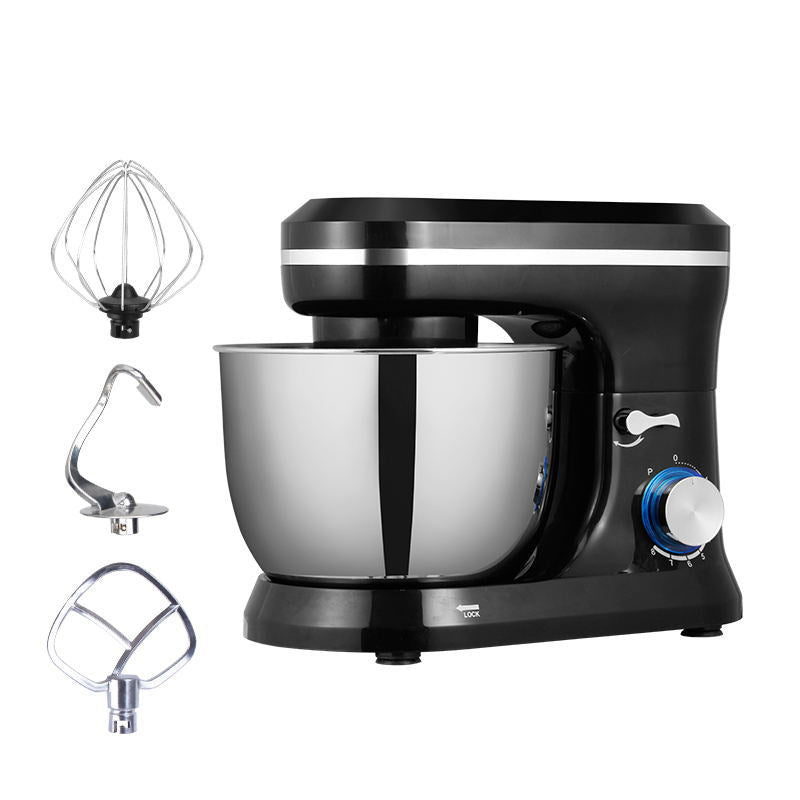
The problem is far bigger than one dusty blender. Surveys and consumer studies consistently show that the average household owns a significant number of small appliances that are used only a handful of times a year, if at all. Food processors, slow cookers, bread makers and electric juicers top the list of items that end up relegated to the back of a cupboard, often still in their original boxes.
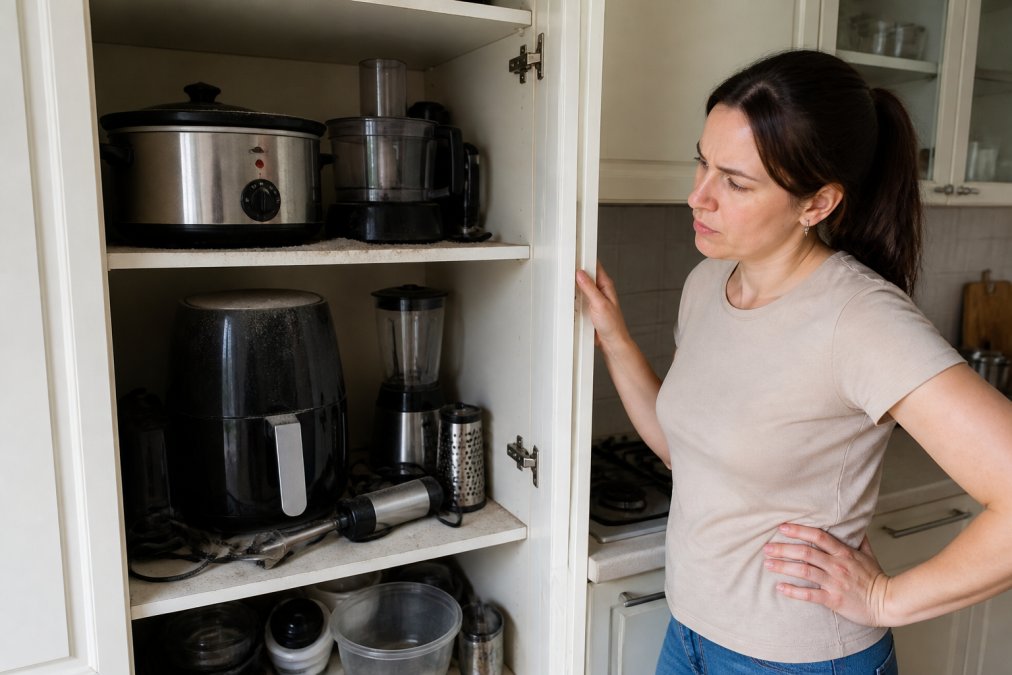
Kitchen organisation experts call this phenomenon the 'gadget graveyard', and it is a direct result of consumer behaviour driven by clever marketing rather than genuine need. The financial waste is considerable when you add up the cost of each unused item. The environmental impact is worse, as every abandoned appliance represents the raw materials, energy and shipping emissions used to create it. Understanding the scale of this issue is the first step toward more sustainable living and better spending habits.
The Psychology Behind Buying Kitchen Gadgets We Never Use
Why do kitchen gadgets go unused UK households? The answer lies in how we shop, not in how we cook. Retailers design kitchen electricals to appeal to the person we want to be, not the person we actually are. A bread maker promises artisan loaves every morning; a spiralizer promises ribboned vegetables worthy of a cookery show. The vision of a healthier, more organised life is what we are purchasing, not the appliance itself.
This impulse purchase behaviour is fuelled by several factors. Aspirational shopping makes us buy for a fantasy version of ourselves. Clever advertising showcases perfect results with no mess and no learning curve. And the fear of missing out pushes us toward the latest 'must-have' gadget that everyone seems to be talking about. The result is a cycle of buying, trying once, and abandoning that leaves cupboards full of single-use appliances.
The 'Learning Curve' Barrier
A common mistake is underestimating how much effort a new gadget demands. Many kitchen gadgets require practice, recipe research and a willingness to produce mediocre results before things improve. When the first attempt at homemade pasta ends in a sticky mess that takes an hour to clean, the machine gets shoved to the back of the shelf. The learning curve barrier is real, and it is the single biggest reason why most overrated kitchen gadgets fail to earn repeat use.
Maintenance and Storage Friction
Even when a gadget works perfectly, it can still end up unused simply because it is awkward. Heavy food processors that require dismantling to clean, bulky air fryers with no dedicated storage space, and appliances with fiddly parts that cannot go in the dishwasher all create friction. If using a gadget takes longer to set up and clean than it does to cook the meal, you will stop reaching for it. Kitchen ergonomics matter more than most buyers realise.
The Most Overrated Kitchen Gadgets and What to Buy Instead
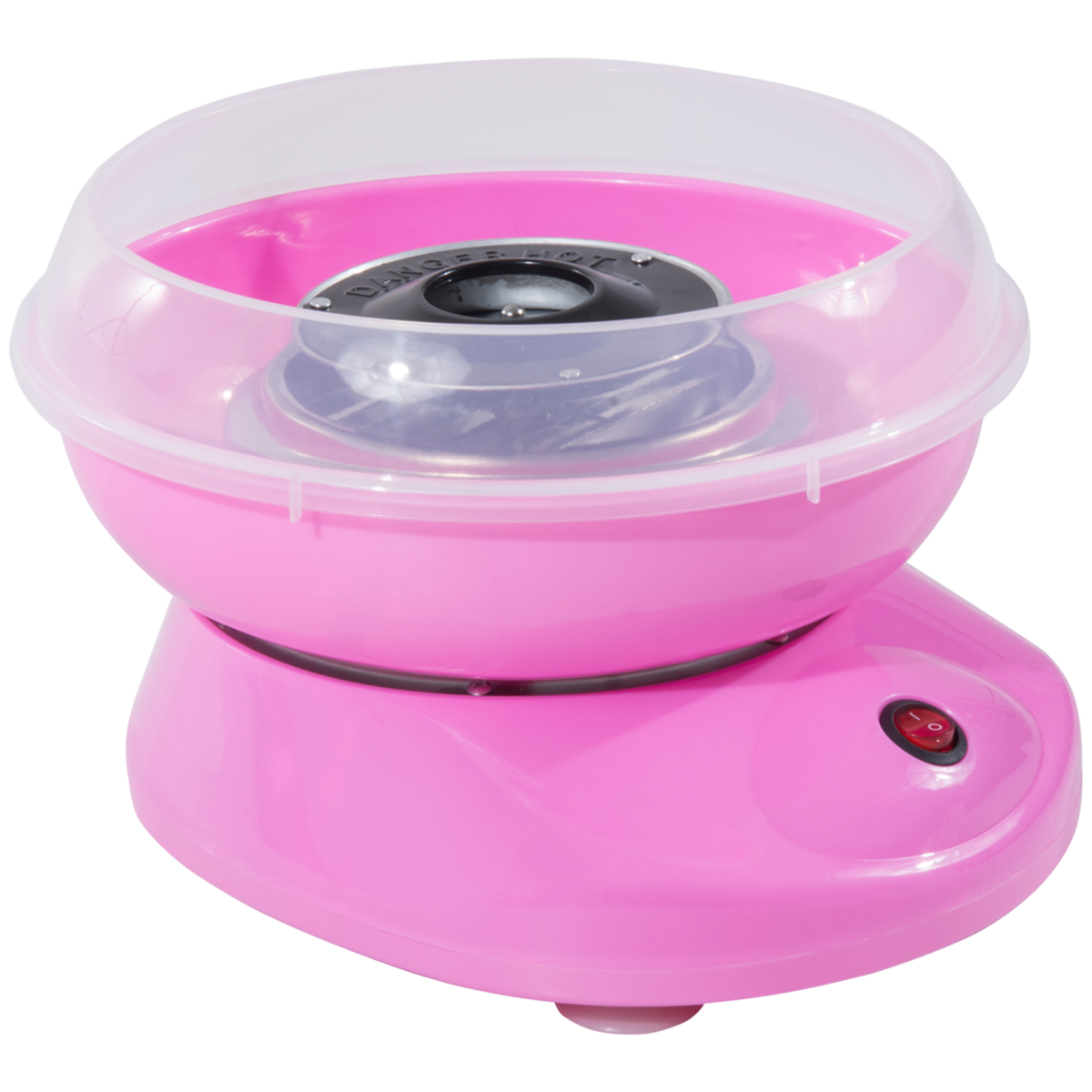
Certain items have earned a reputation for being destined for the gadget graveyard. Single-use appliances like electric fondues, dedicated rice cookers when a saucepan works fine, and novelty-shaped sandwich toasters rarely justify their cupboard space. Before buying any new kitchen gadget, ask yourself whether it does something genuinely better than what you already own.
| Common Gadget | Why It Goes Unused | What to Buy Instead |
|---|---|---|
| Bread maker | Takes up space, long cycles, results vary | A good quality loaf tin and your oven |
| Electric juicer | Heavy cleaning, fruit prep time | A simple blender for smoothies |
| Spiralizer | Awkward to store, fiddly to use | A vegetable peeler for quick ribbons |
| Dedicated rice cooker | Single function, bulky | A saucepan with a tight lid |
| Slow cooker | Requires planning ahead | An air fryer for quick weeknight meals |
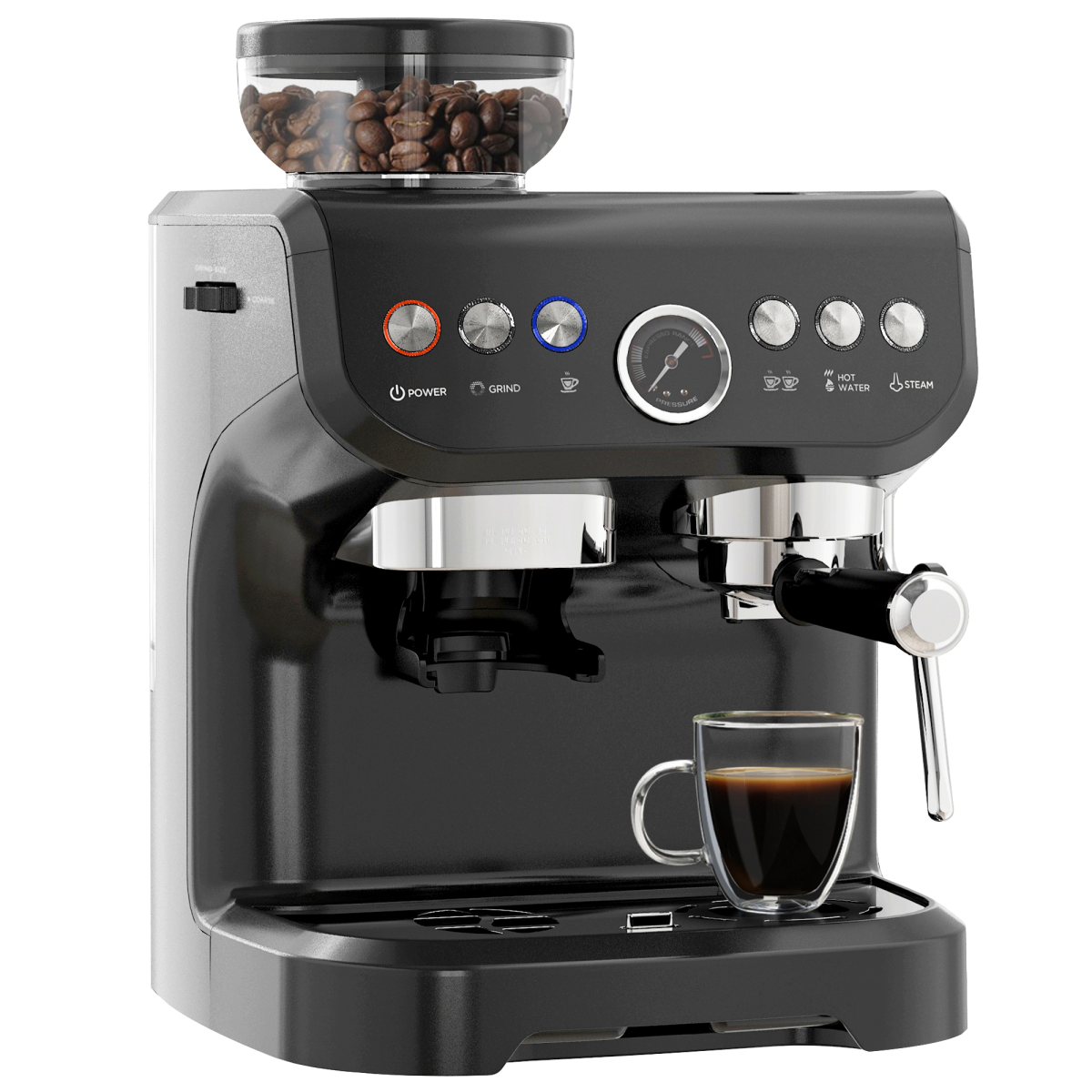
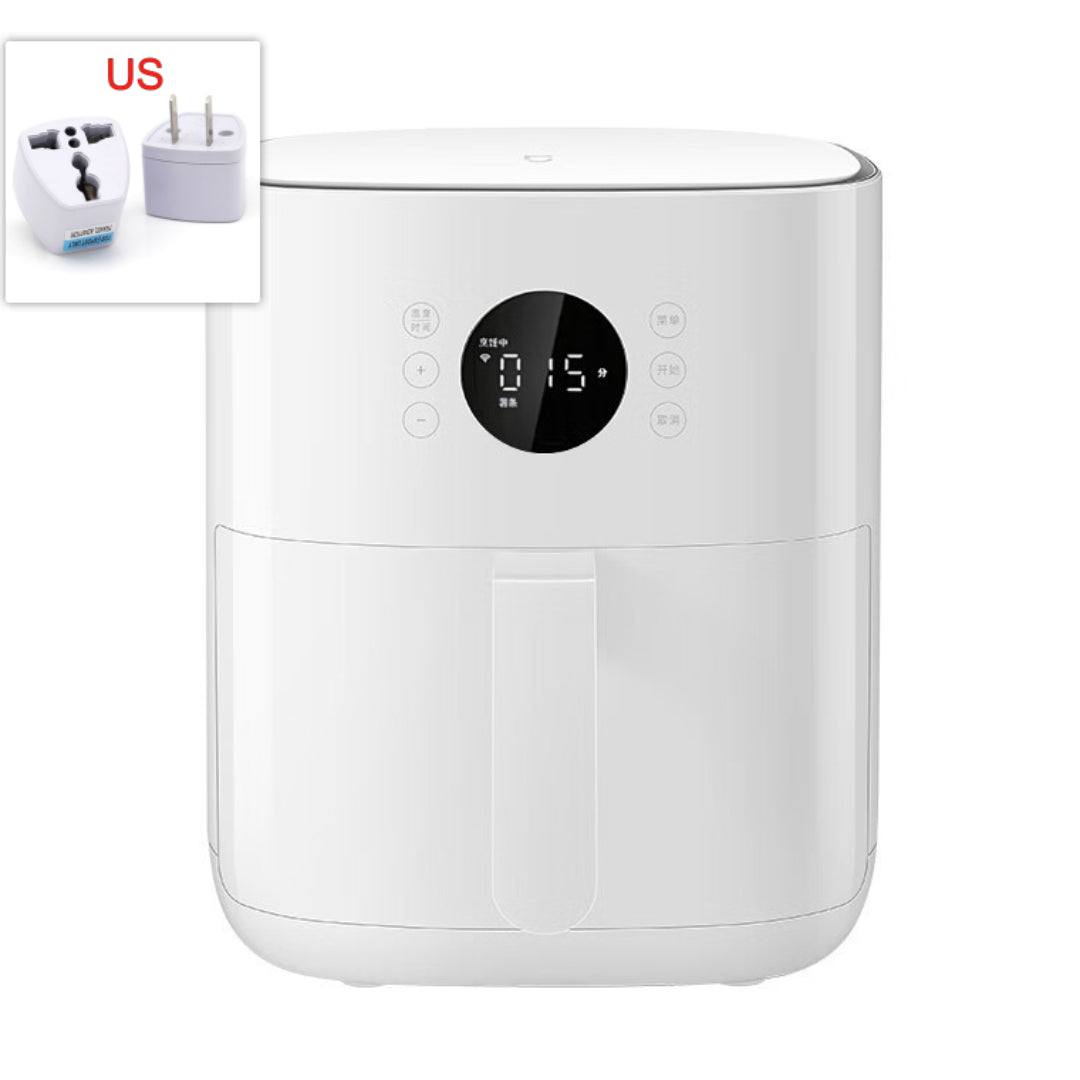
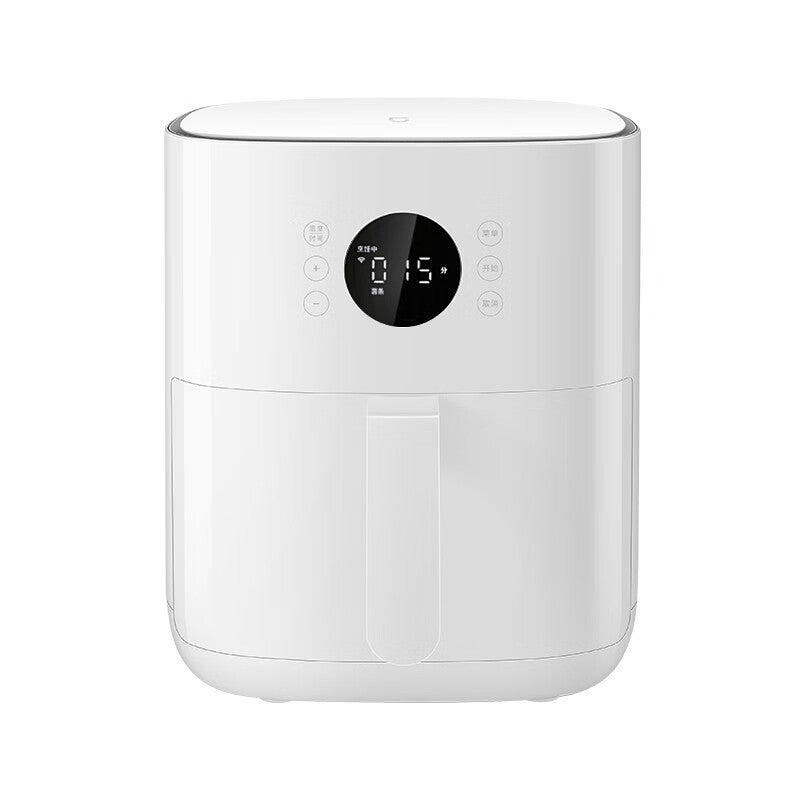
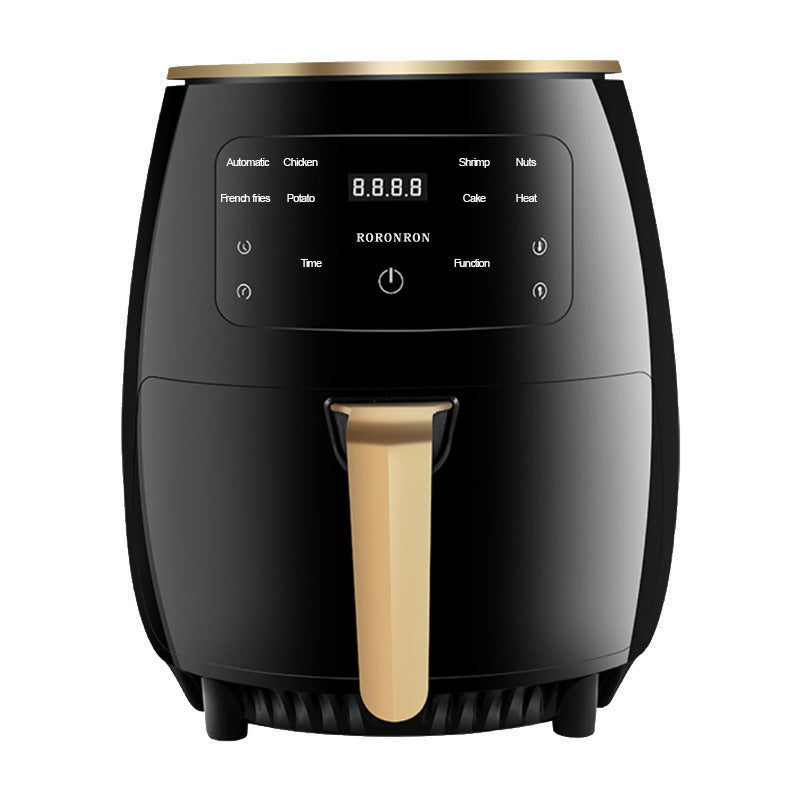
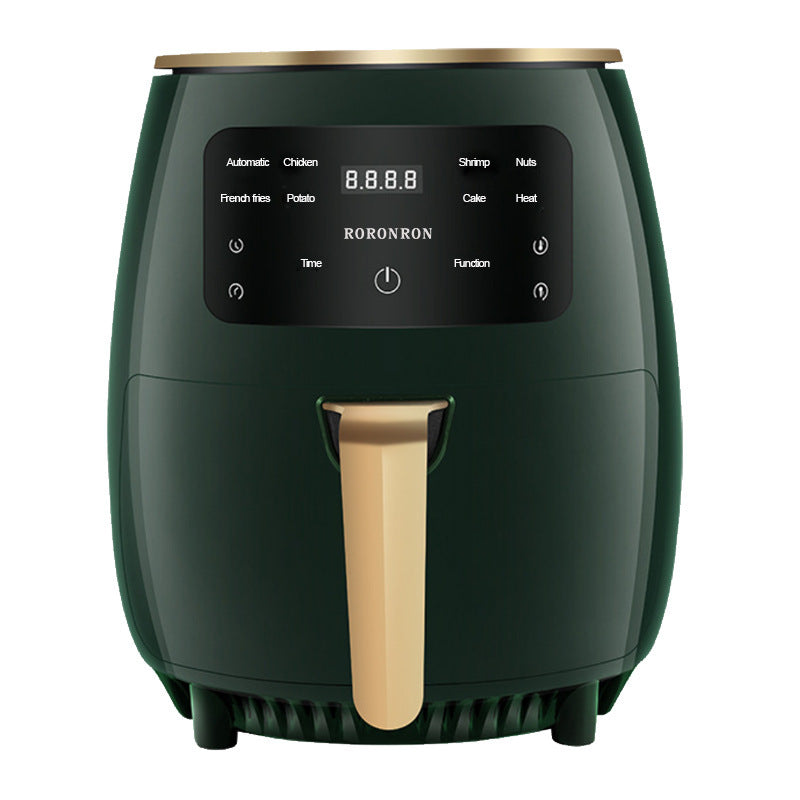
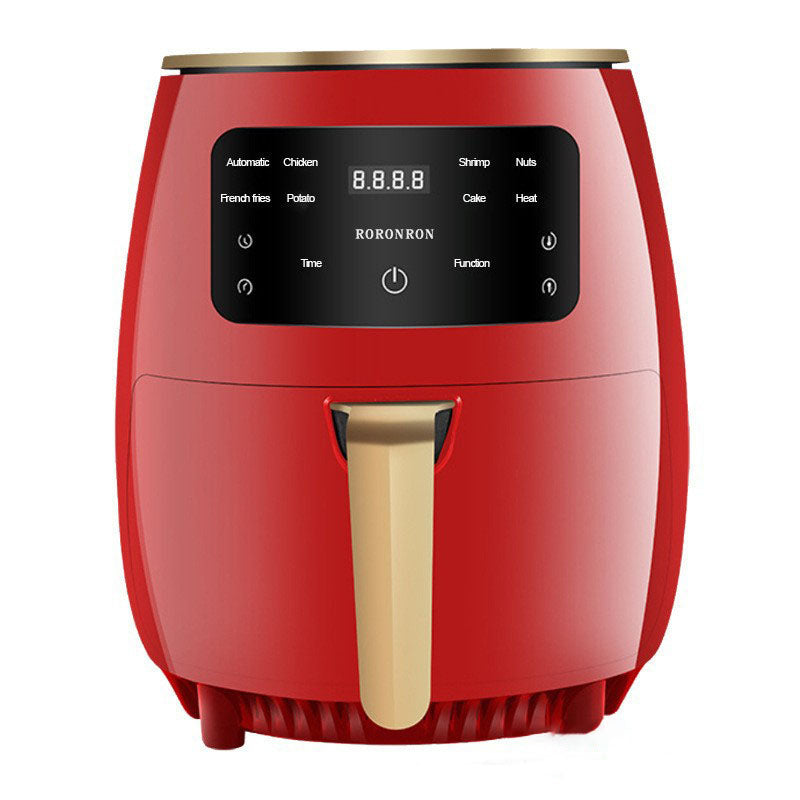
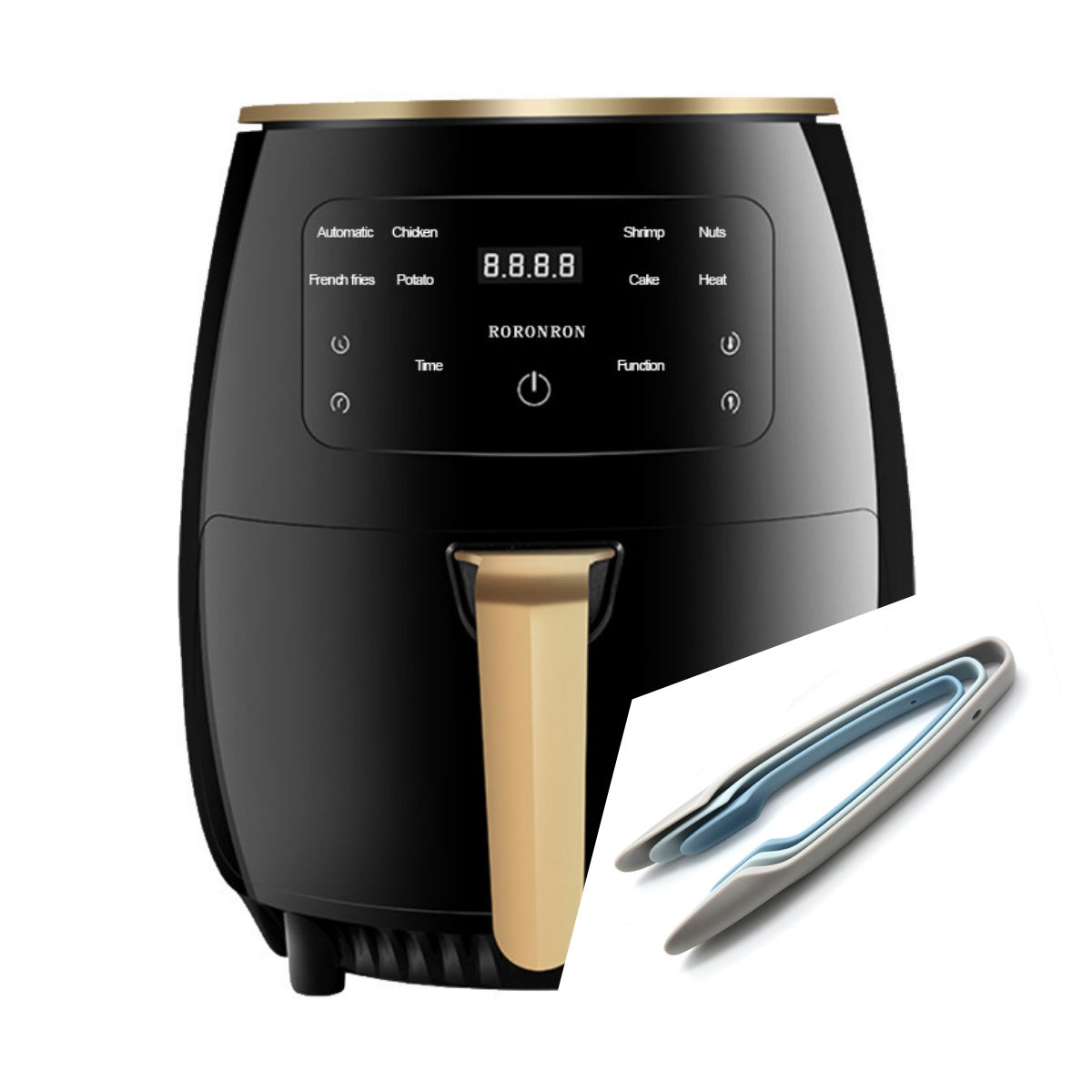
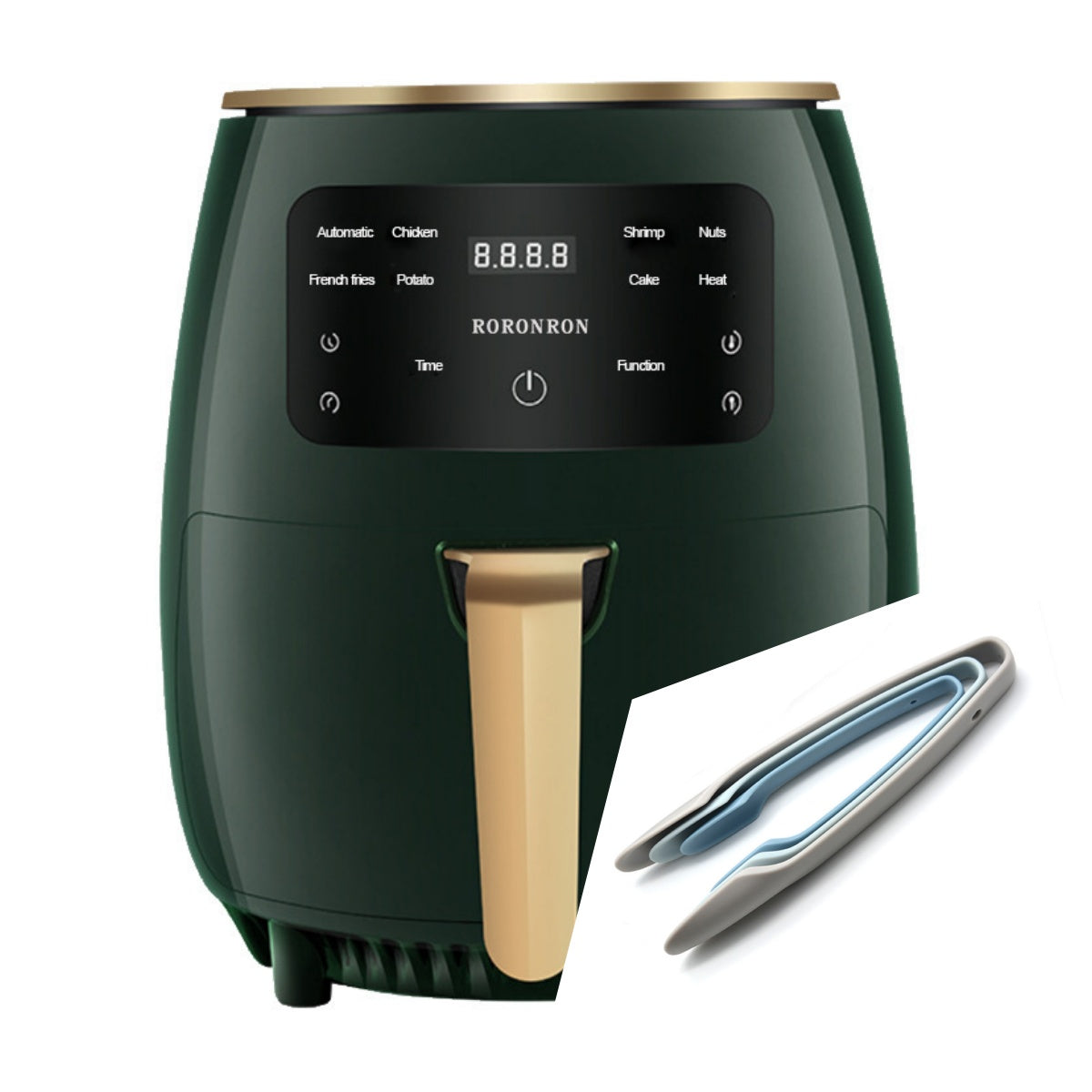
The most useful kitchen electricals are versatile. A quality air fryer, for instance, can roast vegetables, reheat leftovers, cook frozen foods and even bake small cakes. It earns its place because it replaces several other functions. If you are looking for appliances that genuinely earn their countertop space, focus on multifunctional designs that align with how you actually cook, not how you imagine you might.

The Environmental and Financial Cost of Gadget Graveyards
The cost of unused kitchen equipment goes far beyond the initial purchase price. While the financial waste is obvious, the environmental toll is often hidden. Every abandoned gadget represents the raw materials, energy, and shipping emissions used to create it. When these items are thrown into general waste, they add to the millions of tonnes of household waste the country produces each year.
However, the most significant and overlooked cost is the 'sunk cost' of a broken gadget that sits in a cupboard for years. Most people don't throw away a broken appliance; they simply stop using it. This creates a unique problem: the item is not 'unused' because of a lack of interest, but because of a minor fault that was never addressed.
The Hidden Fault Line: Why We Don't Repair
The 'Repair vs. Replace' decision is rarely a rational one. The primary barrier is often not the cost of the repair, but the perceived hassle. A typical pattern involves a food processor whose safety interlock fails, or a blender with a cracked jug. These are often simple fixes, yet the appliance is abandoned because the owner doesn't know where to take it or assumes the cost will be prohibitive.
A common rule of thumb for a cost comparison is the '50% rule'. If the repair quote is less than half the price of a new equivalent and the appliance is otherwise good quality, repairing is often the more sustainable choice. For very cheap items, replacement usually makes more financial sense. But before you decide, check the warranty first, as many kitchen electricals come with a one-year guarantee that you might have forgotten about.
The Carbon Footprint of a Single Use
Consider the environmental impact of a specific item: an electric juicer. The manufacturing process for a typical model involves significant amounts of plastic and metal, generating a carbon footprint. If an appliance is used only a few times before discarding it, its carbon footprint per use can be significant. This 'per-use' calculation is a powerful lens for evaluating any purchase.
The 'Gift' Factor: A Different Kind of Waste
A significant portion of unused gadgets are gifts. A wedding-present food processor that has never been switched on is not a failed purchase; it is a failed social exchange. The financial cost is borne by the giver, but the environmental cost is borne by everyone. This creates a unique dilemma: how do you responsibly dispose of a gift without offending the giver? The answer is to focus on the utility, not the sentiment. If you have not used it in a year, it is not a gift; it is a burden. Donating it to a charity shop gives it a second life and turns a potential source of guilt into a positive contribution to your community.
How to Declutter Kitchen Appliances You No Longer Use
Decluttering kitchen cupboards is a liberating process, but it is rarely as simple as taking everything out and making a decision. The emotional weight of a 'gift' or the guilt of a high-priced 'mistake' often keeps items in storage long after their usefulness has passed. To break through this, you need a structured approach that addresses the psychology of letting go.
The 'Four-Box' Method for Kitchen Electricals
Instead of a vague 'keep or toss' assessment, use a physical sorting system. Get four boxes or bags and label them: Keep, Sell, Donate, and Recycle. Take every single appliance out of the cupboard and place it in one of the four zones. Do not allow a 'Maybe' pile, this is where decisions go to die. If you hesitate, place it in the 'Sell' box. The act of physically moving the item out of the kitchen is a powerful psychological trigger that makes the decision final.
The 'Last Used' Date Test
A common pattern is that we overestimate how often we use a gadget. A more reliable metric is the 'Last Used' date. If you cannot remember the last time you used a specific appliance, or if it was over a year ago, it is a candidate for removal. The only exception is for seasonal items, such as a turkey roaster, which are legitimately used once a year. For everything else, a year of inactivity is a strong signal that it will never earn its place again.
Handling the 'Gift' Factor
Unwanted gifts are the hardest items to declutter. The fear of offending the giver is a powerful emotional barrier. To overcome this, reframe the situation. The giver wanted you to enjoy the item, not to store it out of guilt. By donating a working appliance to a charity shop, you are giving it a new life and helping a good cause. This transforms the act from 'throwing away a gift' into 'passing on a blessing'. If you are concerned about a future visit, simply say, "We found we never used it, so we gave it to a charity shop where it could be appreciated." Most people will understand.
The 'One In, One Out' Rule
Once you have cleared the clutter, you need a system to prevent it from building up again. The 'One In, One Out' rule is simple: for every new kitchen gadget you bring into the home, one existing gadget must leave. This encourages you to evaluate the true value of a new purchase. If you cannot think of an old item to sacrifice, you might not need the new one. This rule can be effective at curbing impulse purchases, as it introduces a tangible consideration to the acquisition.
Where to Send Your Unwanted Items
Once you have sorted your items, the next step is execution. Working appliances in good condition can be sold online, given to charity, or passed to friends and family. Many charity shops welcome clean, working small appliances. For items that are broken or beyond economical repair, set them aside for recycling. The goal is to create a kitchen where every remaining item has a clear job and a designated storage spot.
Recycling Small Electricals UK: Your Disposal Options
When a gadget has truly reached the end of its appliance lifespan, responsible disposal is essential. Recycling small electricals UK options are more accessible than many people realise. Most local council recycling centres have designated bins for small household electrical items, and you can usually drop them off without an appointment. Some supermarkets and electrical retailers also provide in-store collection points for small appliances.
Guidance on disposing of household electrical items confirms that small electricals should not go in your regular rubbish bin. The materials inside them, including batteries and circuit boards, require specialist handling. By using official recycling routes, you help ensure that valuable metals are recovered and hazardous components are kept out of landfill. This simple habit contributes toward waste reduction and the circular economy.
Conclusion: Choose Appliances That Earn Their Place
The pattern of buying kitchen gadgets we never use is costly for your wallet and for the environment. Breaking it requires honesty about your cooking habits and a preference for versatile, multifunctional appliances over single-use novelties. When you do need a new addition, choose quality over quantity and consider how it will fit into your daily routine, not just your aspirational one.
At iHome Direct, our curated range of kitchen appliances focuses on pieces that genuinely earn their place on your countertop. From efficient air fryers that handle everything from family meals to quick snacks, to compact designs suited to smaller kitchens, our products combine functionality with a modern aesthetic. We offer fast UK delivery and a secure checkout, making it easy to upgrade your kitchen with items you will actually use. Explore our collection and give every appliance a job it can keep.
Frequently Asked Questions
What is the most overrated kitchen gadget?
Single-use appliances like electric egg boilers, dedicated sandwich toasters and spiralisers often top the list of most overrated kitchen gadgets. They promise convenience but only perform one task, which makes them easy to shove to the back of a cupboard. Before buying, ask if it does something your current pans or oven can't do easily. Multi-functional tools like a good air fryer or a quality blender deliver far better value and earn their counter space by being used weekly, not once a year.
How can I declutter my kitchen of unused appliances?
Start by taking everything out of your cupboards. Group similar items, then be honest about what you have used in the last month. If an appliance hasn't been touched in a year, it's a candidate for removal. Check if it still works; if it does, sell it online or give it to a charity shop. If it's broken, it needs proper disposal. This is where recycling small electricals UK schemes help, as they ensure the materials are recovered rather than sent to landfill.
Where can I recycle old or unused small kitchen appliances?
Most local councils in the UK offer collection services for small electricals, either at the kerbside or at household waste recycling centres. Many large supermarkets also have battery and small electrical collection points. Before you throw an appliance in the bin, remember that electrical waste should never go to landfill. Retailers and manufacturers also participate in the WEEE directive, so when you buy a new appliance, ask if they will take your old one for responsible recycling.
Why do I keep buying kitchen gadgets I don't need?
It is rarely about the appliance itself. Marketing teams are skilled at selling a vision of home-cooked meals and effortless entertaining. That impulse purchase feels like a step towards a more organised life, but it doesn't change your actual cooking habits. The 'gift' factor plays a part too, as well-meaning relatives buy gadgets that don't match how you cook. The fix is to plan meals first, then buy equipment that genuinely supports those meals, rather than buying a gadget and hoping it inspires you.