






























Table of Contents
- What a Standard Kitchen Appliance Warranty Covers
- What Voids a Kitchen Appliance Warranty
- Manufacturer Guarantee vs. Extended Warranty: What's the Difference?
- Is Extended Warranty Worth It for Kitchen Appliances?
- Consumer Rights Act 2015 Appliance Rights and Your Protection
- How to File a Warranty Claim on Your Kitchen Appliance
- Hidden Costs: Deductibles, Service Calls, and Depreciation
- Conclusion
Last Updated: August 23, 2026
What a Standard Kitchen Appliance Warranty Covers
A kitchen appliance warranty is a manufacturer's promise to repair or replace your appliance if it develops a mechanical or electrical fault within a specified timeframe. Most standard warranties cover defects in materials and workmanship for one to three years from the date of purchase.
Coverage varies by appliance and manufacturer. Generally, standard warranties include repairs to internal components, replacement parts, and labour costs for authorised technicians. However, coverage is limited to manufacturing defects, not damage caused by misuse, accidents, or normal wear and tear.
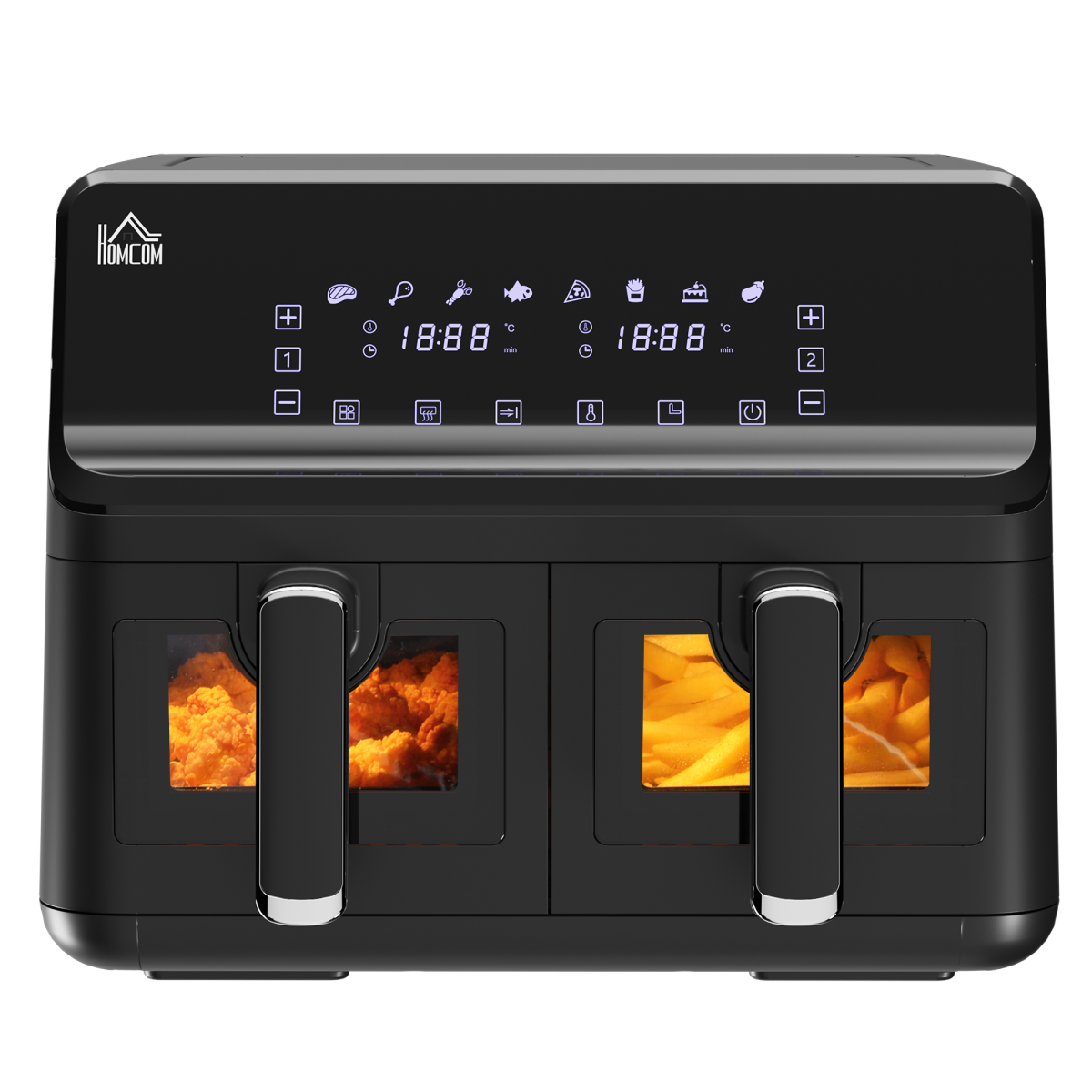
If your air fryer stops heating because of a faulty heating element, that's covered. If you've dropped it and the casing has cracked, that's not. Understanding this boundary prevents frustration when filing a claim.
Most manufacturers require you to retain your proof of purchase and the product's serial number to validate any claim. Keep these documents safe, they're your evidence of coverage.
Consumer Rights Act 2015 guidance on product guarantees outlines your baseline statutory rights in the UK, which often exceed what manufacturers offer voluntarily.
What Voids a Kitchen Appliance Warranty
Your warranty becomes invalid when you breach its terms. Common warranty-voiding actions include attempting repairs yourself, using unauthorised replacement parts, or failing to follow the manufacturer's care instructions.
Once you've disassembled the unit beyond what the manual permits, most manufacturers reserve the right to deny coverage. Using non-approved parts is another frequent cause of voided warranties. If your coffee maker needs a replacement heating element and you source a generic part online rather than ordering the manufacturer's approved component, the warranty may be forfeited.
Failure to perform basic maintenance can void coverage too. If your blender's warranty requires regular cleaning and you've allowed food residue to accumulate inside the motor housing, leading to failure, the manufacturer may refuse to honour the claim.
Physical damage, water damage, electrical surges, and accidents are universally excluded from standard warranties. Modifications also invalidate warranties, if you've altered the appliance's electrical specifications or removed safety features, coverage ends immediately.
Manufacturer Guarantee vs. Extended Warranty: What's the Difference?
A manufacturer guarantee is the free coverage included with your purchase, typically lasting one to three years. This is what you get automatically when you buy a kitchen appliance, no additional cost.
An extended warranty is an optional purchase that extends coverage beyond the manufacturer's standard period. You pay an additional fee to add protection for an extra two to five years.
The key difference is who provides it and what's included. Manufacturer guarantees are issued by the brand itself and cover defects in materials and workmanship. Extended warranties are often sold by retailers or third-party providers and may include accidental damage coverage, which manufacturers typically exclude.
Consider a scenario: your air fryer fails after two years. With only the standard one-year manufacturer guarantee, you're out of pocket for repairs. With an extended warranty covering years two through five, that same failure is covered.
Extended warranties vary significantly in what they cover. Some include accidental damage and liquid spills; others replicate the manufacturer's coverage exactly. Read the fine print carefully, a warranty that covers accidental damage is substantially more valuable than one that mirrors the manufacturer's exclusions.
Which? guidance on extended warranties and consumer protection provides independent analysis of whether extended warranties represent genuine value.
Is Extended Warranty Worth It for Kitchen Appliances?
Whether an extended warranty justifies its cost depends on the appliance's price, your usage patterns, your risk tolerance, and the specific contract terms.
For budget appliances, an extended warranty rarely makes financial sense. If it fails after the manufacturer's guarantee, replacing it outright often costs less than the warranty premium.
For premium appliances, the calculation shifts. Repair costs for these units can be substantial, making coverage more economically defensible.
Your household's track record with appliances matters too. Families with children or pets, or those with a history of accidental damage, face higher risk and benefit more from extended coverage. Conversely, if your household has owned appliances for years without incident, extended warranties become less essential.
The contract's deductible is critical. Some extended warranties include no deductible; others require you to pay a fee per claim. A warranty with a high deductible means you're absorbing much of the repair cost anyway, reducing its practical value.
Most kitchen appliances last five to seven years before becoming obsolete. A warranty extending only two years beyond the manufacturer's guarantee covers only the middle portion of the appliance's life, leaving the final years unprotected.
Consumer Rights Act 2015 Appliance Rights and Your Protection
The Consumer Rights Act 2015 provides statutory protection that exists independently of any warranty you purchase. Goods must be of satisfactory quality, fit for purpose, and as described when sold.
If your kitchen appliance fails within six months of purchase, the law presumes the fault existed at the point of sale, and the retailer must provide a remedy, repair, replacement, or refund. This protection applies regardless of what the manufacturer's warranty states.
Between six months and six years from purchase, you retain the right to claim against the retailer if the appliance fails due to a fault that existed at sale, though the burden of proof shifts to you. Keeping receipts, emails, and records of the purchase and any faults strengthens your position.
The Act states that goods must remain fit for a reasonable period beyond purchase. For a kitchen appliance, "reasonable" typically means at least two to three years of normal use. If an air fryer fails after eighteen months due to a manufacturing defect, you have grounds for a claim even if the manufacturer's warranty has expired.
Citizens Advice guide to consumer rights for faulty goods clarifies your entitlements and the process for claiming when statutory rights are breached.
Manufacturers cannot use their warranty to override statutory rights. If a manufacturer's warranty excludes something the Consumer Rights Act 2015 explicitly protects, the statutory right takes precedence.
How to File a Warranty Claim on Your Kitchen Appliance
Filing a warranty claim begins with gathering documentation. Locate your proof of purchase, the appliance's serial number, and any original packaging or documentation. Without proof of purchase, manufacturers will reject claims.
Next, document the fault. Take photographs or a short video showing the problem. Written descriptions help, but visual evidence is more compelling. Note when you first noticed the issue and what you were doing when it occurred.
Contact the manufacturer's customer service department. Explain the fault clearly and provide the serial number and purchase date. The representative will determine whether the issue falls within warranty coverage.
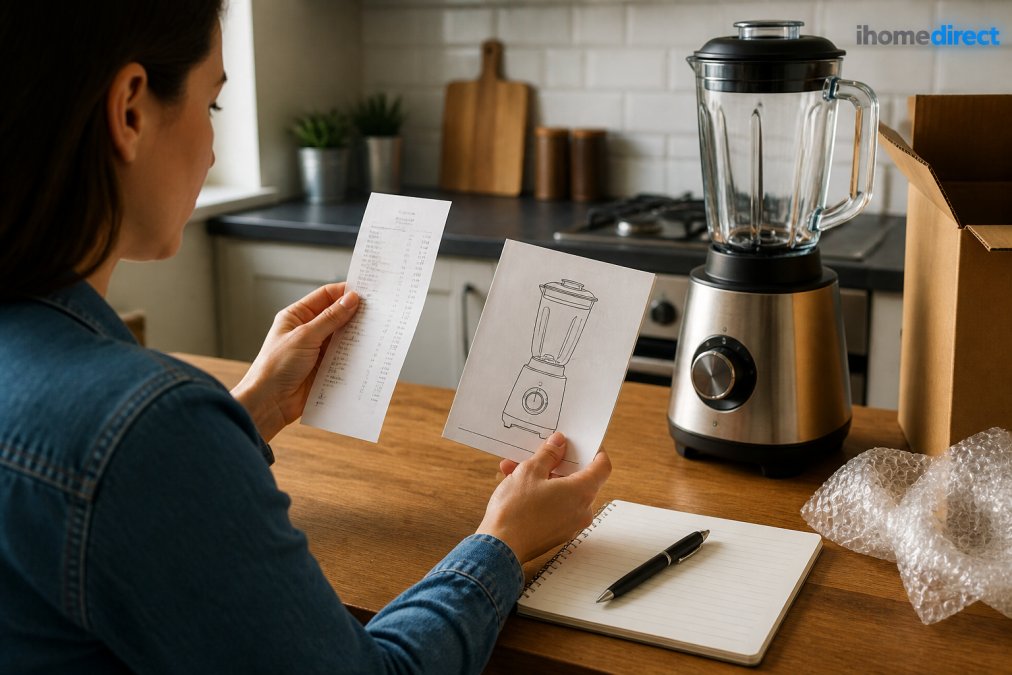
Many manufacturers ask you to perform basic troubleshooting before authorising a repair. Follow these instructions exactly, refusing to perform them can delay or invalidate your claim.
If the manufacturer approves the claim, they'll either arrange for an authorised technician to visit your home, provide a prepaid shipping label, or issue a replacement. Ask for an estimated completion date.
Keep all correspondence. Save emails, note the names and reference numbers of anyone you speak with, and maintain records of any shipping receipts. If a dispute arises later, this documentation proves you followed the correct procedure.
If the manufacturer denies your claim, ask for a detailed written explanation. If you believe the decision is incorrect, you can escalate to the manufacturer's complaints department or contact Citizens Advice Consumer Service for guidance.
Hidden Costs: Deductibles, Service Calls, and Depreciation
Extended warranties often include hidden costs that reduce their real value. Deductibles are the most common, you might purchase an extended warranty only to discover that each claim requires you to pay a deductible. Over the warranty period, these accumulate significantly. A warranty with no deductible is substantially more valuable than one with a per-claim fee.
Service call fees are another often-overlooked expense. Some warranties charge you a call-out fee if a technician visits your home. If your air fryer needs repair and the technician determines it requires a part that takes two weeks to arrive, you've paid for a service call that resulted in no immediate fix.

Depreciation affects warranty value in ways many consumers overlook. An appliance depreciates over time. If your warranty covers replacement, you receive the current market value, not the original purchase price.
Some warranties include exclusions that become apparent only during a claim. Coverage might be limited to specific failure types, exclude certain components, or require you to use only manufacturer-approved parts for repairs. Reading the exclusions section carefully before purchasing prevents disappointment later.
The opportunity cost of the warranty premium deserves consideration too. If you invest in extended warranties across multiple appliances, that money accumulates. Alternatively, setting aside the same amount in a dedicated appliance replacement fund provides flexibility, you can use it for repairs, replacement, or other purposes.
Conclusion
Understanding your kitchen appliance warranty protects you from unexpected repair costs and ensures you're not paying for coverage you don't need. The distinction between manufacturer guarantees, extended warranties, and your statutory rights under the Consumer Rights Act 2015 determines how much protection you actually have.
At iHome Direct, we recognise that reliability matters when you're investing in kitchen appliances for your home. Our curated selection of modern kitchen appliances, from efficient air fryers to versatile blenders, is designed for durability and everyday use. Each product comes with manufacturer coverage, and we're transparent about what that protection includes so you can make informed decisions about whether extended warranty options suit your circumstances.
Before purchasing any extended warranty, calculate whether the premium justifies potential repair costs, consider the deductibles and hidden fees, and review what your statutory rights already provide. For budget appliances, extended coverage rarely makes financial sense. For premium units you depend on daily, the protection becomes more valuable. Document everything, receipts, serial numbers, and maintenance records, to simplify any future claims.
Frequently Asked Questions
What's the difference between a manufacturer guarantee and an extended warranty?
A manufacturer guarantee is included free with your kitchen appliance and covers defects in materials or workmanship, typically for one to three years. An extended warranty is a separate contract you purchase that extends coverage beyond the manufacturer guarantee, often for an additional two to five years. Extended warranties usually cost extra and may cover accidental damage or wear and tear, depending on the terms.
What does the Consumer Rights Act 2015 say about kitchen appliance rights?
The Consumer Rights Act 2015 requires goods to be of satisfactory quality, fit for purpose, and as described. If a kitchen appliance fails within six months of purchase, the law assumes the fault existed at the point of sale, and you have the right to repair, replacement, or a refund. After six months, you must prove the fault was present when you bought it, though the burden shifts back to you.
Is an extended warranty worth it for kitchen appliances?
Whether extended warranty is worth it depends on your appliance type, usage, and budget. High-use appliances like air fryers or blenders may justify coverage if you rely on them daily. However, if your appliance is reliable and you have savings to cover repair costs, the premium may not be necessary. Consider the deductible, what's excluded, and your own risk tolerance before deciding.
What commonly voids a kitchen appliance warranty?
Common warranty exclusions include misuse, improper installation, failure to follow instructions, using unauthorised repair technicians, accidental damage (unless covered by extended warranty), and normal wear and tear. Attempting DIY repairs, using non-approved parts, or exposing the appliance to extreme temperatures or moisture can also void coverage. Always check your specific warranty terms before attempting any repairs.
Your kitchen appliances should enhance your daily routines, not create financial stress when something goes wrong. By understanding warranty coverage thoroughly, you're equipped to choose protection that matches your actual risk and budget. Explore iHome Direct's range of reliable kitchen appliances today and invest in quality that's backed by clear, straightforward coverage.
This article was written using GrandRanker