




















Table of Contents
- Understanding Your Space and Constraints
- How to Measure for a New Oven and Other Appliances
- Compact vs Full-Size Appliances: What Works in Small Kitchens
- Integrated vs Freestanding Appliances for Rental Properties
- Energy Efficiency Ratings for Appliances and Running Costs
- Essential Countertop Appliances That Save Space
- Slimline Dishwasher Dimensions and Installation Considerations
- Planning Your Kitchen Layout for Maximum Functionality
Last Updated: August 16, 2026
Understanding Your Space and Constraints
Kitchen appliances for flats demand a fundamentally different approach than traditional homes. The constraints aren't just about dimensions, they're about electrical load, noise tolerance, and the sheer reality that your kitchen might be smaller than some people's bathrooms.
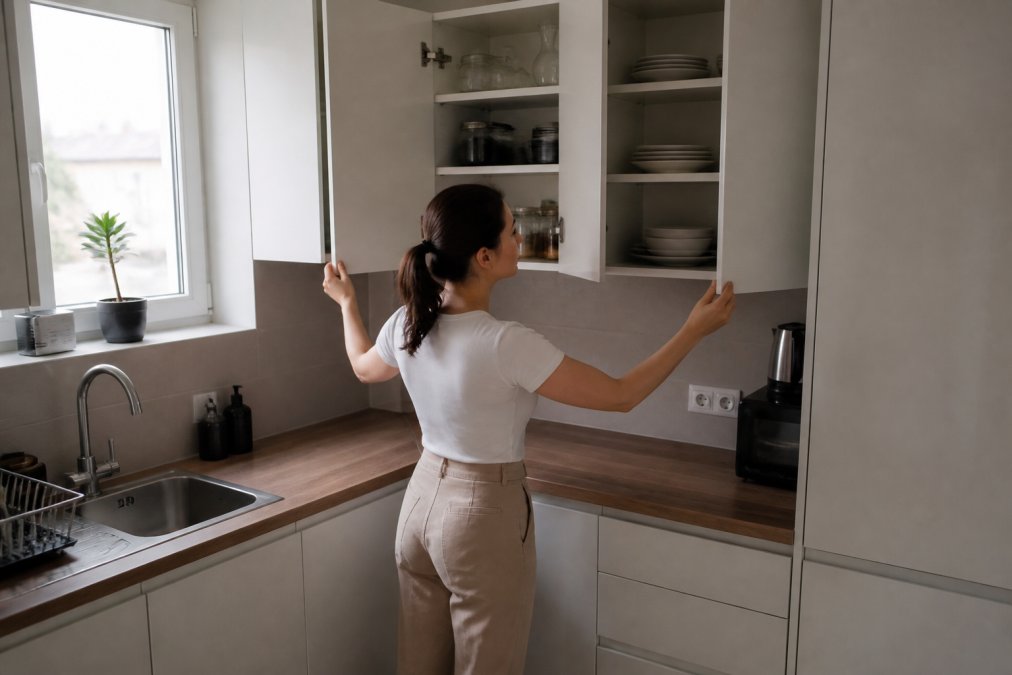
Before buying anything, measure your actual available space. Not the kitchen's total footprint, but the specific countertop or cabinet space where an appliance will live. Many people discover too late that a "compact" oven won't fit through their kitchen doorway or that a dishwasher requires plumbing access they don't have. Renters face additional complications: hardwired appliances demand landlord permission, and integrated units become expensive mistakes if you move.
The electrical consideration matters more than most guides acknowledge. Flats often share circuits with neighbouring units. Running a high-power air fryer, kettle, and microwave simultaneously can trip your breaker. Check your consumer unit to understand your total available amperage, then verify each appliance's power consumption before purchase.
Think about your actual cooking patterns too. If you rarely use an oven, investing in a full-size model wastes precious space. If you meal-prep weekly, a compact air fryer might save you more time than a traditional oven ever could. The best kitchen appliances for flats aren't the smallest, they're the ones you'll actually use.
How to Measure for a New Oven and Other Appliances
Measuring appliance dimensions correctly prevents costly returns and installation disasters. Start with height, width, and depth, but don't stop there.
For ovens specifically, measure the opening where the appliance will sit, then subtract 5cm on each side to ensure it fits without forcing. Check the interior cavity dimensions too, a 30-litre capacity looks adequate on paper until you realise it won't fit a standard baking tray. Measure your oven doorway height as well; some compact models have doors that swing outward and need clearance space.
Countertop appliances require different measurements. Measure the exact counter space available, including the height of your wall cabinets above it. A 20-litre air fryer oven might technically fit on your counter, but if your wall cabinet is only 30cm above the counter, you won't be able to open the door properly. Account for ventilation too, air fryers and mini ovens need at least 10cm of clearance above them to prevent heat damage to cabinets.

For slimline dishwasher dimensions, standard models measure 450mm wide, 820mm tall, and 600mm deep. Measure your available space carefully, including the space needed for the door to open fully. Some flats have kitchen configurations where a standard slimline dishwasher won't fit because of corner placement or adjacent appliances.
Document everything with a tape measure and photograph. When you contact retailers or check online listings, you'll have exact specifications to compare against product dimensions. This step eliminates the most common reason people return kitchen appliances for flats, they ordered without properly measuring first.
Compact vs Full-Size Appliances: What Works in Small Kitchens
The choice between compact and full-size appliances isn't about choosing the smallest option available. It's about matching appliance size to your actual usage patterns and space constraints.
Full-size appliances occupy more space but often deliver better performance per pound spent. A standard 60cm oven costs less than two compact 30-litre models combined, yet provides significantly more cooking capacity. However, if you live alone or cook simple meals, that extra space becomes wasted real estate in a small kitchen.
Compact appliances shine when space genuinely matters. A 10-litre air fryer oven from iHome Direct costs £51.75 and fits easily on a shelf or in a cupboard when not in use. For flat dwellers who cook occasionally, this represents better value than a full-size oven that dominates your kitchen permanently. The trade-off is capacity, you'll cook in batches rather than preparing large meals in one go.
Consider your cooking frequency honestly. If you eat out five nights a week and only use your kitchen for weekend cooking, compact appliances make sense. If you work from home and cook daily, the efficiency gains of full-size equipment justify the space investment.
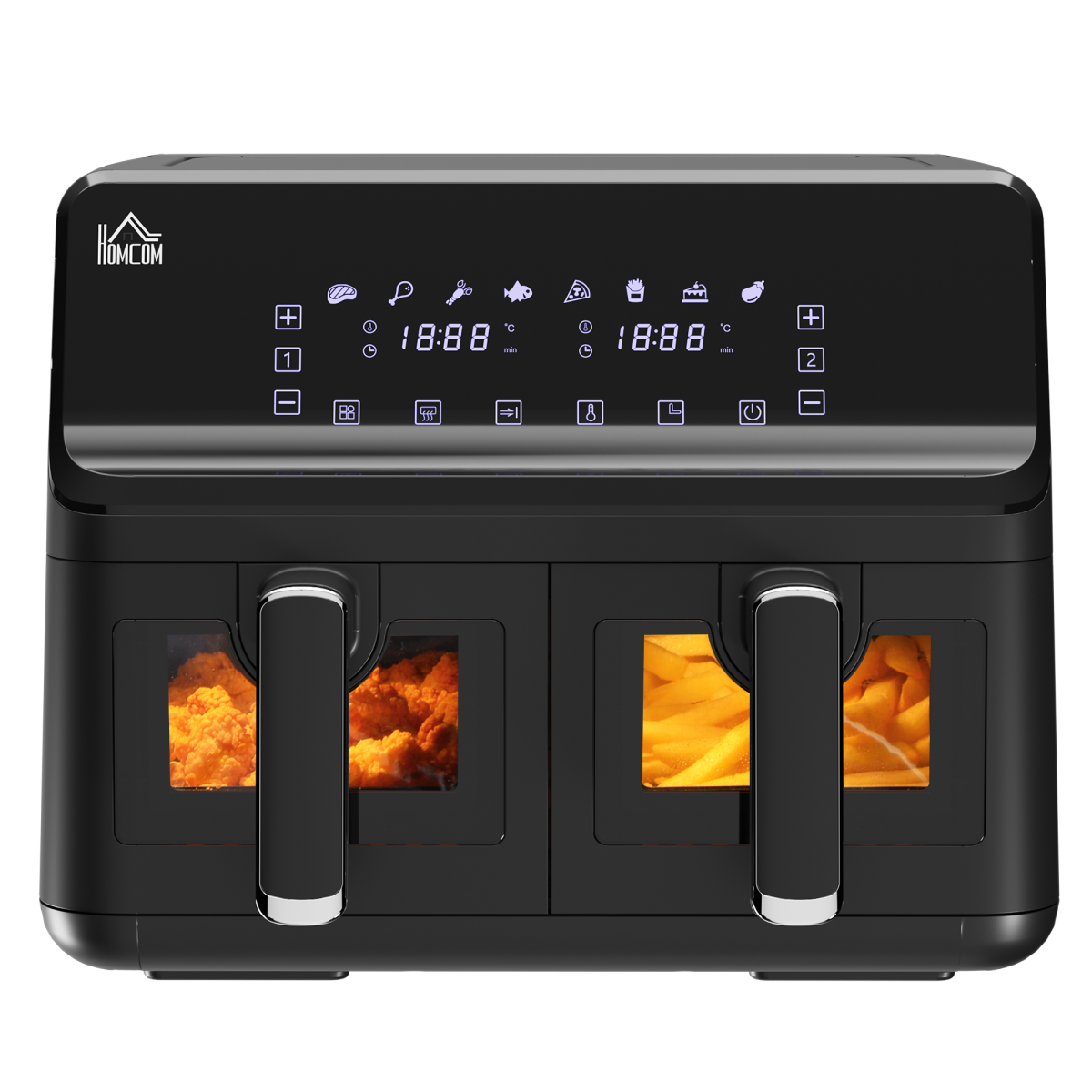
Multifunctional compact appliances offer a middle ground. A 20-litre air fryer oven can bake, grill, roast, and fry, replacing multiple single-purpose tools. The HOMCOM 20L Air Fryer Oven at £92.25 delivers this versatility in a footprint smaller than a traditional microwave, making it practical for flats where kitchen appliances must earn their counter space.
Integrated vs Freestanding Appliances for Rental Properties
This distinction matters far more for renters than homeowners. Integrated appliances build into cabinetry and often require hardwiring, making them unsuitable for temporary accommodation. Freestanding units plug in and move with you.
Freestanding appliances offer genuine flexibility. A countertop dishwasher connects to your kitchen tap and drains into the sink, no plumbing modifications needed. The HOMCOM Countertop Dishwasher at £242.99 handles 4 place settings and requires only a dual water supply connection, meaning you can install it today and remove it when you move without landlord disputes.

Integrated appliances demand permanent installation. They're built into cabinetry, often hardwired to electrics, and sometimes require structural modifications. For renters, this creates liability issues, your deposit disappears if you remove an integrated appliance your landlord didn't approve. Homeowners benefit from integrated appliances because they add property value and create a seamless kitchen aesthetic, but that advantage doesn't apply to rental flats.
If you're renting, choose freestanding equipment exclusively. If you own your flat and plan to stay long-term, integrated appliances justify the higher upfront cost through better aesthetics and improved functionality. The decision hinges on permanence, if you might move within five years, freestanding wins every time.
Energy Efficiency Ratings for Appliances and Running Costs
Energy efficiency ratings determine both your environmental impact and your monthly utility bills. Understanding these labels prevents expensive mistakes disguised as bargains.
The UK energy label uses a simple A-G scale, with A being most efficient. An A-rated appliance costs significantly less to run than a G-rated model over its lifetime. For kitchen appliances used daily, this difference compounds rapidly. A B-rated dishwasher might cost £20 less upfront but cost £50 more annually to operate than an A-rated equivalent.
Look beyond the letter grade. The label shows annual energy consumption in kilowatt-hours (kWh), which lets you calculate actual running costs. Multiply the annual kWh by your electricity rate, currently around 24p per kWh for most UK households, to understand true operating expense. A 1400W air fryer oven used four times weekly costs roughly £30 annually to run, whilst a 1000W model costs around £21 annually.
Compact appliances sometimes appear less efficient because they're rated separately from full-size models. A compact oven might have a B rating whilst a full-size model has an A rating, but the compact version still uses less total energy because it heats a smaller space. Compare total annual consumption, not just the letter grade.

For flats specifically, energy efficiency matters beyond cost. Efficient appliances generate less heat, which reduces strain on your flat's cooling systems and prevents uncomfortable temperature spikes in summer months. This becomes particularly relevant in converted Victorian properties or top-floor flats where heat dissipation challenges already exist.
Essential Countertop Appliances That Save Space
Countertop appliances represent the most practical solution for flat dwellers because they require no installation, use standard plug sockets, and move easily when you relocate.
Air fryer ovens deliver exceptional value for small kitchens. They cook faster than traditional ovens, use less energy, and occupy minimal space. The HOMCOM 10L Air Fryer Oven at £51.75 fits on a shelf and handles everyday cooking, roasting vegetables, baking small portions, grilling chicken. For someone in a flat without a traditional oven, this single appliance replaces multiple single-purpose tools.
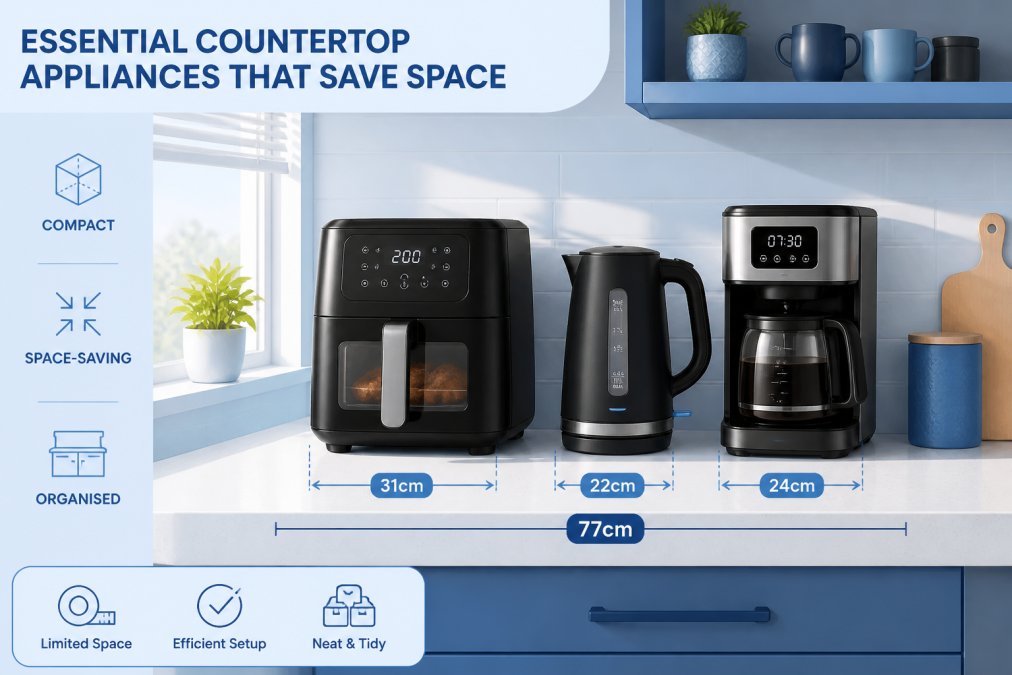
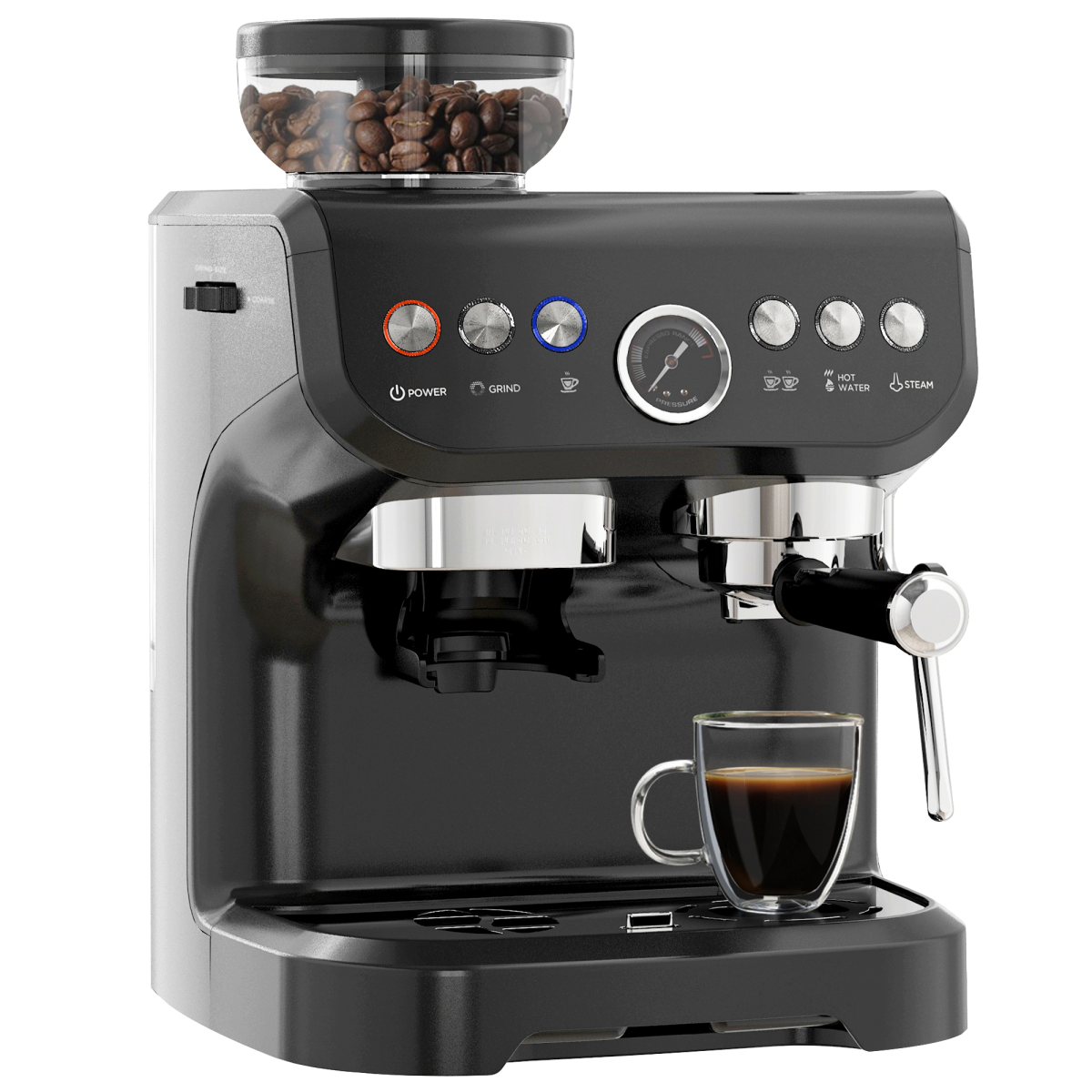
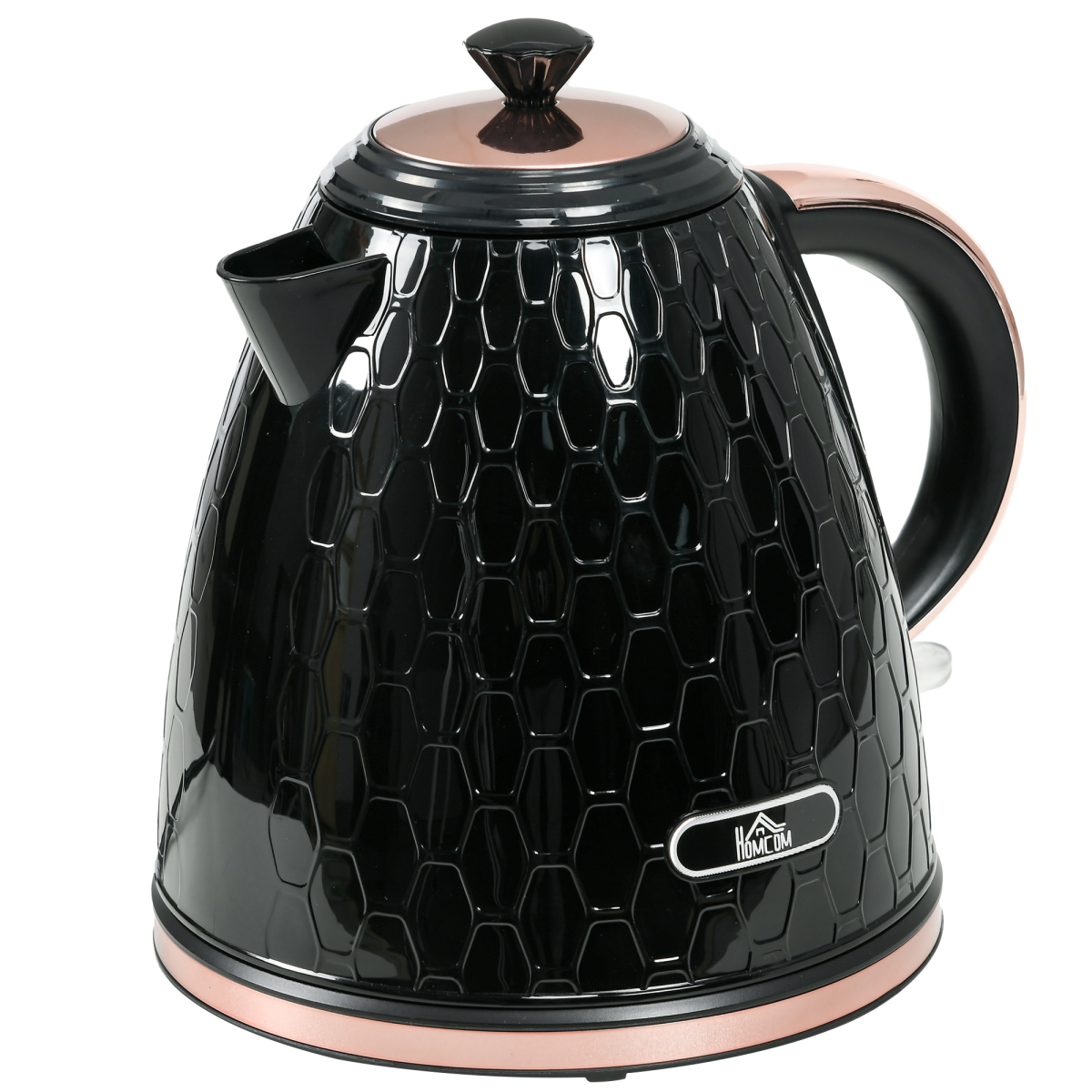
Compact kettles and coffee makers occupy minimal counter footprint but deliver daily utility. If you work from home in a flat, a quality coffee maker justifies its space because you'll use it multiple times daily. Choose models with automatic shut-off features to prevent accidents when you're focused on work.
Multifunctional gadgets matter in small kitchens. A blender handles smoothies, soups, and sauces, replacing a food processor, hand blender, and juicer. Toaster ovens provide grilling and toasting functions without the bulk of a full-size oven.
The key principle: every countertop appliance must justify its permanent presence. If you use it fewer than three times weekly, it's taking up space better used for food prep or storage. Before buying any countertop appliance, ask whether you'll actually use it regularly enough to leave it out permanently.
Slimline Dishwasher Dimensions and Installation Considerations
Slimline dishwashers measure 450mm wide, 820mm tall, and 600mm deep, significantly smaller than standard 600mm models. For flats where space is genuinely limited, this difference proves decisive.
Installation complexity depends on your flat's plumbing. Integrated slimline dishwashers require permanent plumbing connections and hardwiring, making them unsuitable for renters. Countertop models like the HOMCOM Countertop Dishwasher connect to your kitchen tap via a flexible hose and drain into the sink, requiring no modifications to your flat's infrastructure.
Before purchasing any dishwasher, verify your tap type. Some older taps don't accommodate the quick-connect fittings modern dishwashers use. Check whether your kitchen sink has space beneath it for drainage hose routing. In some compact flats, the drainage configuration creates challenges that make dishwashers impractical regardless of the model's dimensions.
Water and electricity access matters equally. Dishwashers need a standard 13-amp socket within reach of the sink area. In older flats, this might require a qualified electrician to install a new socket, an expense that affects your total cost of ownership. Factor this into your decision; a £242.99 dishwasher becomes significantly more expensive if installation requires £150 in electrical work.
Capacity ratings on slimline models typically handle 4-6 place settings, suitable for single occupants or couples. If you regularly cook for groups or have large families visiting, slimline capacity might prove limiting. Test the capacity claim by loading a typical day's dishes, manufacturers' estimates often assume specific dish types that don't match real-world usage.
Planning Your Kitchen Layout for Maximum Functionality
Kitchen layout in a flat determines which appliances will actually work and which will create bottlenecks. A poorly planned layout wastes expensive appliances and creates frustration daily.
Start by identifying your work triangle: the path between your sink, cooker, and fridge. In flats, this triangle is often compressed into a few metres, which actually simplifies workflow. Ensure your most-used appliances sit within this triangle. If your coffee maker is three metres from your kettle and mug cupboard, you'll resent using it.
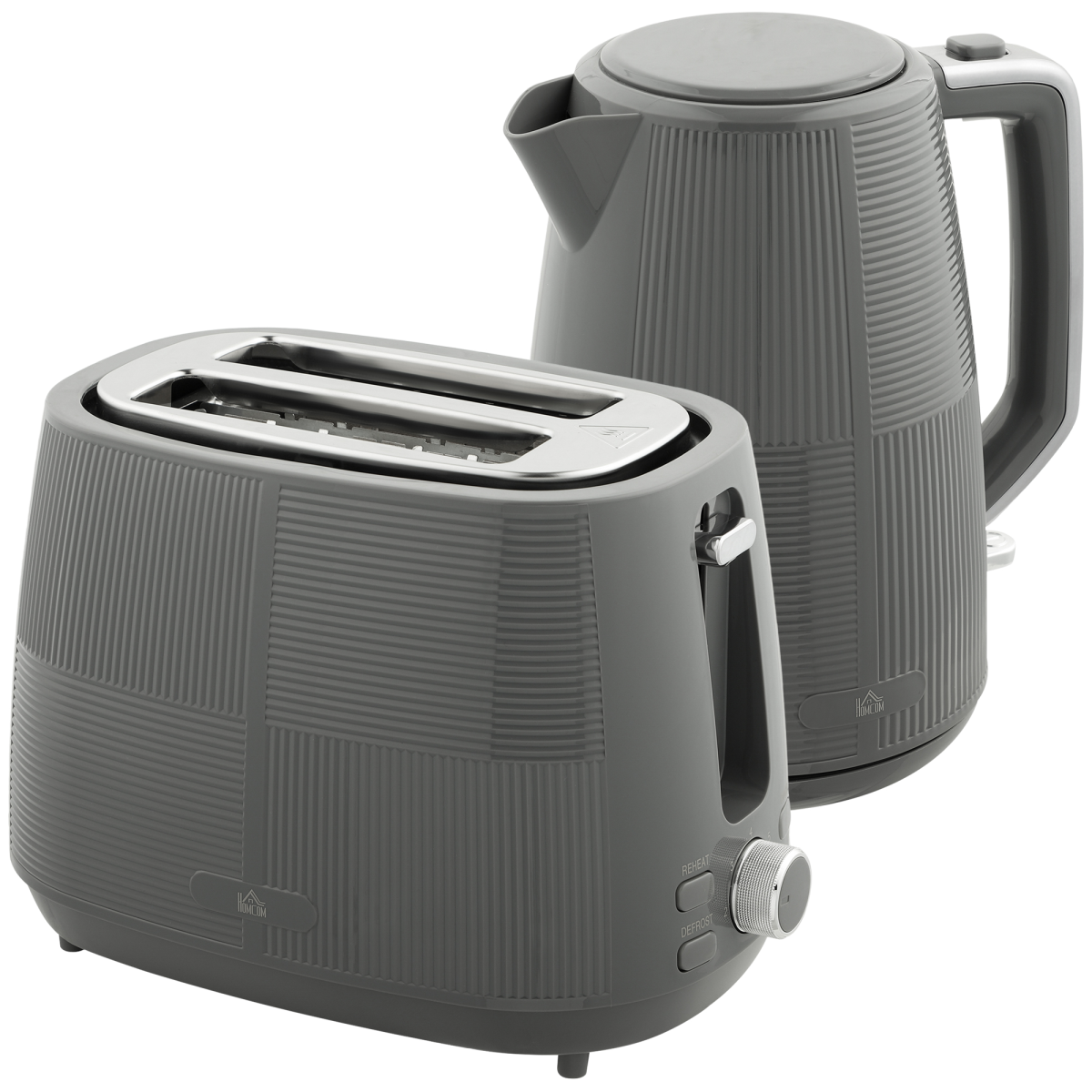
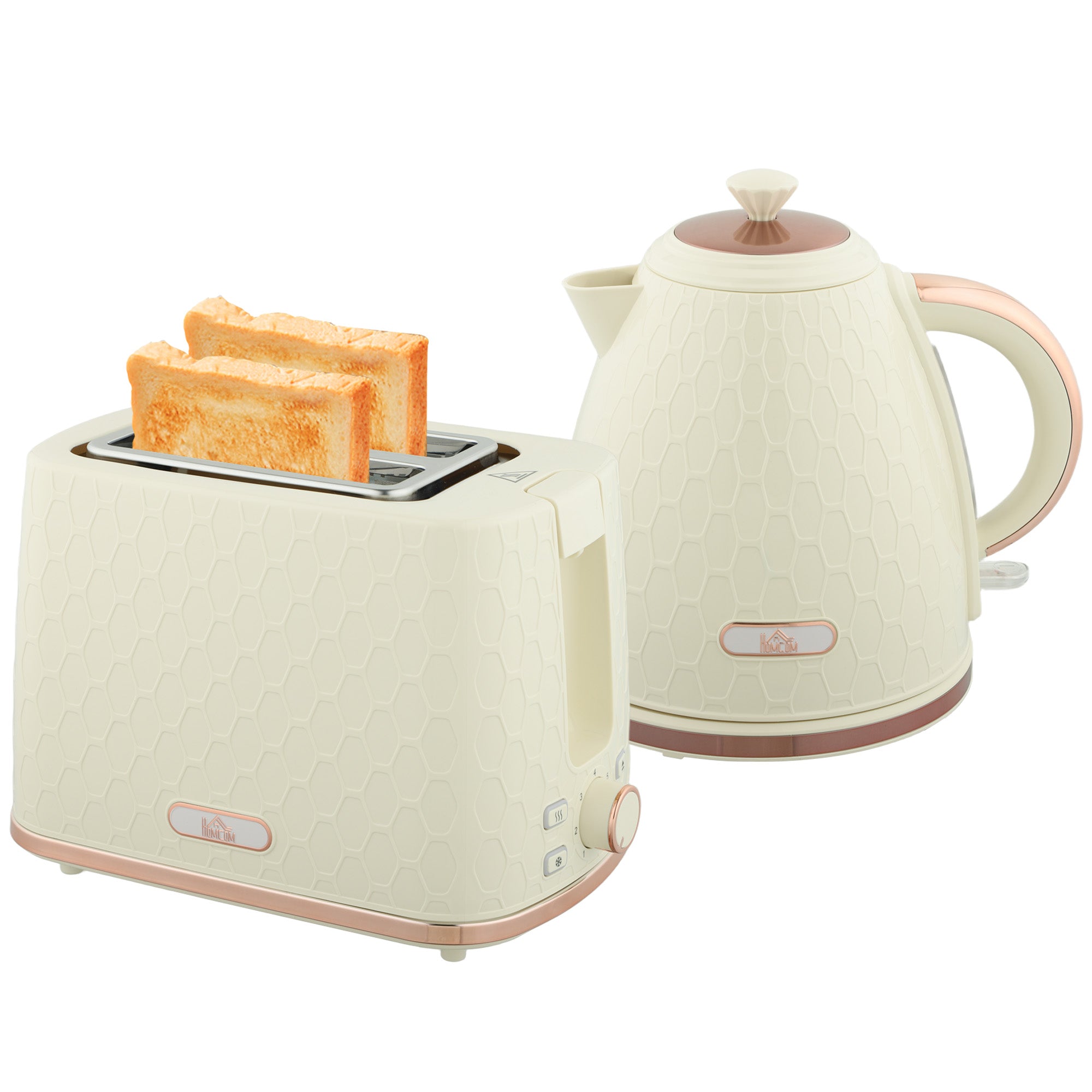
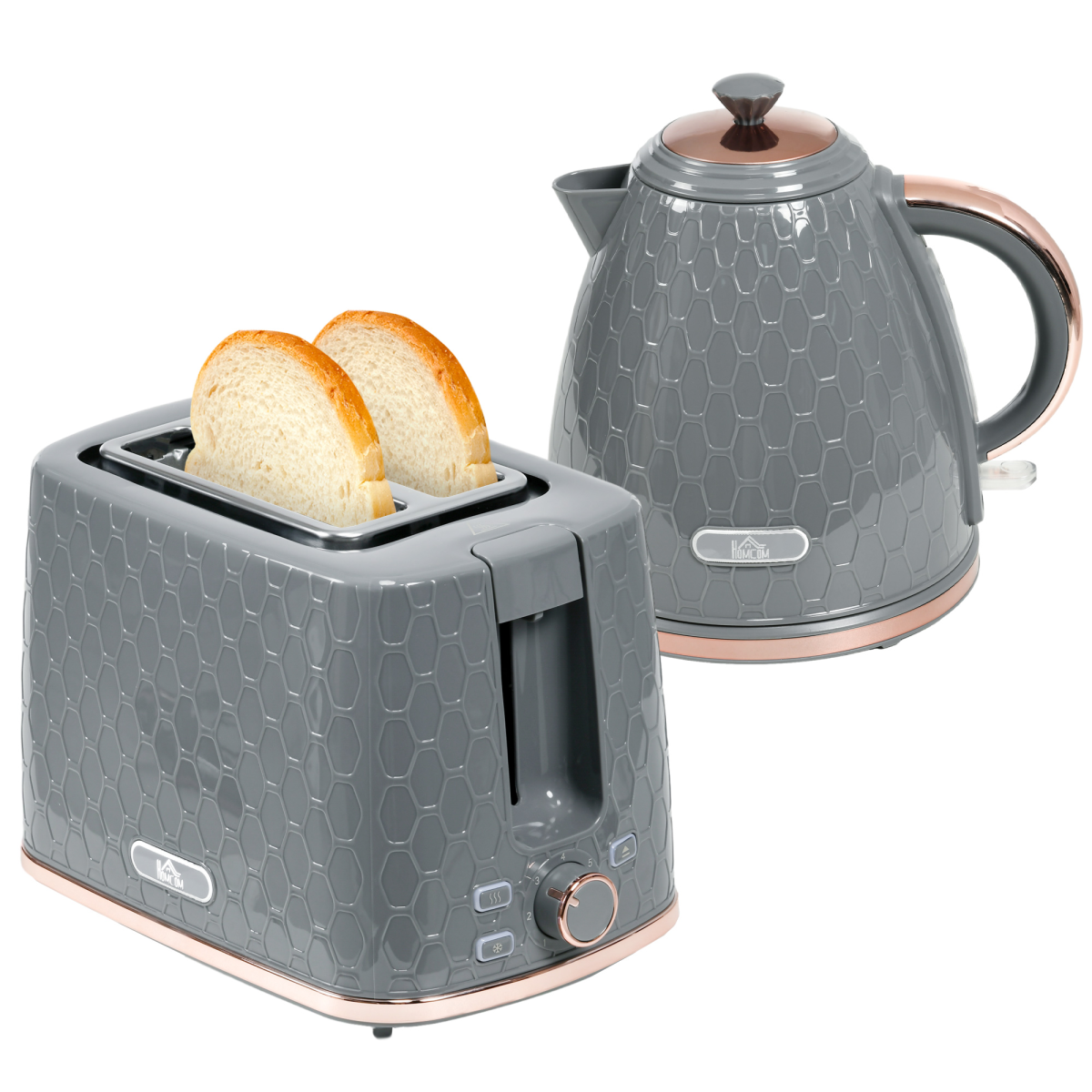
Counter space flows from this principle. Position frequently used appliances, kettle, toaster, coffee maker, in sequence along one counter section, creating a logical workflow. Your air fryer oven should sit near your prep space and within arm's reach of your oven mitts and cooling racks.
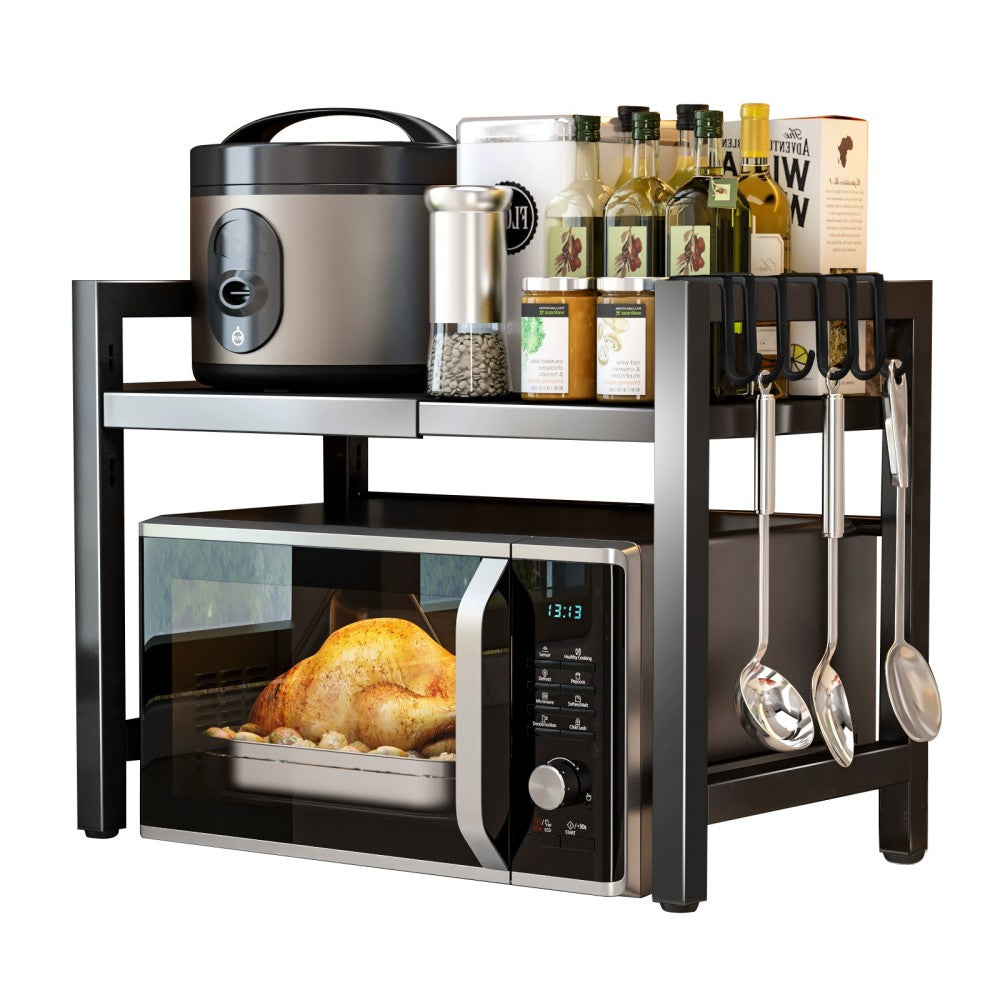
Vertical storage transforms small kitchens. Wall-mounted shelves above counters hold rarely used appliances or small gadgets, freeing counter space for daily essentials. Magnetic strips on walls hold metal utensils. Over-door racks store spices and small containers. This vertical thinking proves essential in flats where horizontal counter space is genuinely scarce.
Electrical outlet placement constrains appliance positioning more than most people anticipate. If your only available socket is in a corner, your air fryer must live in that corner regardless of ideal workflow. Before buying any countertop appliance, identify where it will actually sit and whether a socket exists there. Extension leads work temporarily but create safety hazards and look cluttered.
Consider your flat's noise environment too. Compact appliances often sound louder than full-size models because they operate at higher intensities in confined spaces. If you live in a flat with thin walls, a quiet dishwasher or air fryer matters more than the specifications suggest. Read user reviews specifically mentioning noise levels, decibel ratings on product specs often underestimate real-world sound in small spaces.
| Appliance Type | Best For | Space Required | Installation |
|---|---|---|---|
| Air fryer oven (10-20L) | Daily cooking, baking, roasting | 30 x 25 x 30cm | Plug-in only |
| Countertop dishwasher | Daily dishes without plumbing work | 45 x 82 x 60cm | Tap connection, drain hose |
| Compact kettle | Hot water, tea, coffee | 20 x 20 x 20cm | Standard socket |
| Mini oven (30L) | Baking, grilling, roasting | 50 x 30 x 40cm | Plug-in only |
| Coffee maker | Daily beverages | 25 x 20 x 25cm | Standard socket |
Setting up a kitchen in a flat requires accepting that space limitations demand intentional choices. Rather than viewing compact appliances as inferior compromises, recognise them as solutions specifically designed for your actual environment. iHome Direct offers kitchen appliances built for modern flats, from the HOMCOM 10L Air Fryer Oven at £51.75 to the countertop dishwasher at £242.99, each selected to deliver genuine functionality without overwhelming your space. Our fast UK delivery and straightforward checkout mean you can equip your kitchen efficiently, transforming a cramped space into one that works for how you actually cook and live.
Frequently Asked Questions
What are the standard dimensions for compact kitchen appliances?
Compact appliances vary widely, but most countertop models measure between 30-45 centimetres wide. Mini ovens typically occupy 40-50 centimetres of width and depth. Air fryers range from 25 centimetres (10L capacity) to 35 centimetres (20L capacity). Always check product specifications before purchasing, measure your available space first, then match appliances to those dimensions. Slimline dishwashers are usually 45 centimetres wide, compared to 60 centimetres for standard models.
How do I measure my kitchen space for new appliances?
Use a flexible tape measure to record the width, depth, and height of your available space. Measure twice, once for countertop placement and once for under-counter storage. Leave at least 5 centimetres clearance around appliances for ventilation and heat dissipation. Account for door swing if your appliance has a hinged door. Take a photo of your measurements and keep them on your phone when shopping. This prevents costly mistakes and ensures appliances fit before delivery.
Are slimline dishwashers less efficient than standard models?
No, slimline dishwasher dimensions (45 centimetres wide versus 60 centimetres) don't affect energy efficiency ratings. Both use similar water and electricity per cycle. What differs is capacity: slimline models hold 4-6 place settings, while standard dishwashers hold 12-14. If you live alone or with one other person, a slimline uses less water overall because you run fewer cycles. Check the energy label (A-G rating) on any model, efficiency depends on the appliance's technology, not its size.
What should I look for when buying appliances for a rented property?
Choose freestanding appliances rather than integrated ones, they're portable and don't require permanent installation. Avoid anything that needs hardwiring or plumbing modifications without landlord permission. Plug-and-play countertop appliances like air fryers, mini ovens, and kettles are ideal for renters. Check your tenancy agreement for appliance restrictions. Keep all packaging and receipts in case you need to remove the appliance when you move. Look for warranty coverage that protects against manufacturing defects, not wear and tear.
This article was written using GrandRanker