

















































Table of Contents
- Why Shoppers Look for Appliance City Alternatives
- What to Look for When Comparing Home Goods Retailers
- Air Fryer vs Convection Oven for Baking: Which Retailer Stocks What
- How to Choose Energy Efficient Kitchen Appliances
- Independent Retailers vs National Chains: Where to Shop
- Disposal and Recycling Services: A Hidden Advantage
- Making Your Choice: A Comparison Framework
- Conclusion
Last Updated: August 27, 2026
Why Shoppers Look for Appliance City Alternatives
Finding the right home goods retailer is about more than just picking the cheapest option. You're looking for a balance between product quality, reliable customer service, reasonable pricing, and hassle-free delivery. Many shoppers exploring appliance city alternatives discover they want options that offer better value, faster delivery, or a more curated selection of modern kitchen appliances tailored to their specific needs.
The reality is that no single retailer dominates every category equally. Some excel at price matching, others shine in after-sales support. Some stock niche products like compact air fryers for small flats, while others focus on bulk inventory and showroom experiences. Understanding what matters most to you, whether it's energy efficiency ratings, installation services, or product range, makes the difference between a purchase you regret and one you genuinely enjoy using.
This guide breaks down what separates a good home goods retailer from a great one. We'll walk you through the key factors to evaluate, introduce you to realistic alternatives, and help you build a framework for making the right choice for your situation.
What to Look for When Comparing Home Goods Retailers
Customer Care and After-Sales Support
When you buy a kitchen appliance or home good, the relationship doesn't end at checkout. What happens when something arrives damaged? What if you need help troubleshooting after six months? The quality of customer care separates retailers that genuinely stand behind their products from those that vanish once you've paid.
Look for retailers offering multiple support channels: phone, email, live chat, and ideally a responsive social media presence. Response time matters. A retailer that gets back to you within 24 hours is fundamentally different from one that takes a week. Check their return policy carefully, does it cover faulty goods, or only change-of-mind returns? Are there restocking fees that eat into your refund?
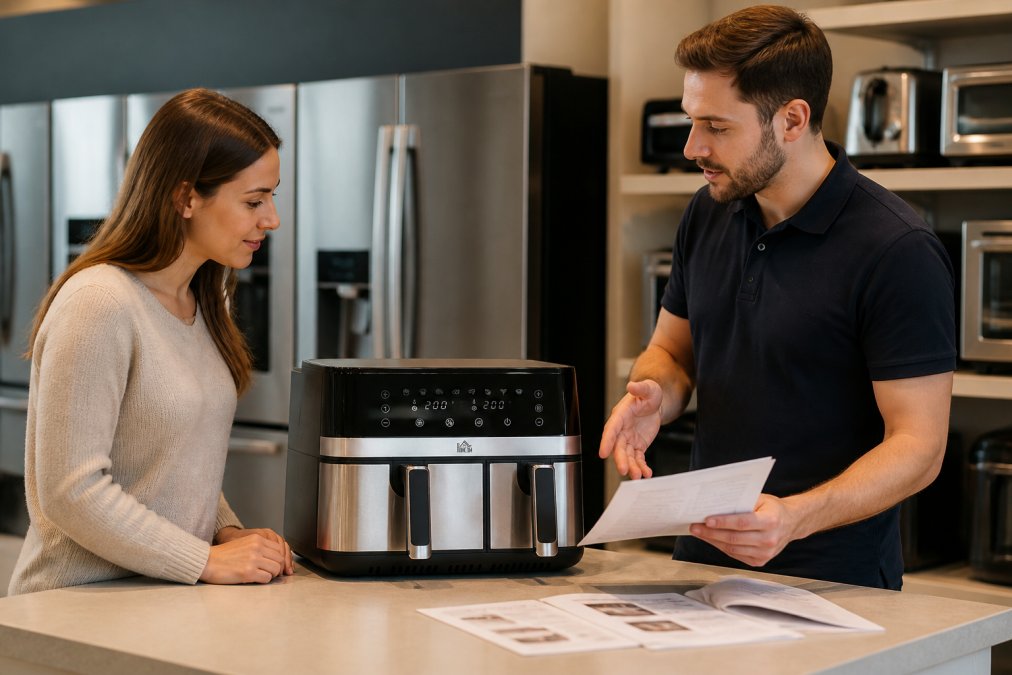
Extended warranty options reveal how confident a retailer is in their products. Some offer optional protection plans that cover accidental damage or mechanical failure beyond the standard manufacturer guarantee. This isn't just about peace of mind, it's a signal that the retailer expects their products to last and backs that expectation with real coverage.
iHome Direct, for example, prioritises straightforward customer care with fast UK delivery and a secure checkout process. Their focus on modern home solutions means they stock appliances chosen for reliability, reducing the likelihood of support issues in the first place.
Delivery Slots and Installation Services
Delivery speed matters when you're setting up a new home or replacing a broken appliance. A retailer offering next-day or two-day delivery across most of the UK saves you weeks compared to standard shipping. But speed alone isn't enough, you also want flexibility in delivery slots that actually fit your schedule.
Some retailers bundle installation services with delivery, which is genuinely valuable for larger items like fridge freezers or built-in ovens. Installation eliminates the guesswork and protects your warranty. Others leave installation to you, which works fine for smaller items like air fryers or kettles but becomes a hassle for anything requiring plumbing or electrical connections.
Check whether delivery includes removal of packaging and placement in your preferred room. Some retailers will haul an appliance upstairs; others stop at your front door. These details matter when you're dealing with heavy white goods or items you'll struggle to move yourself.
Warranty and Consumer Protection
The warranty terms reveal how much protection you actually have. A standard manufacturer's warranty typically covers defects for 12 months, but some retailers extend this to 24 or 36 months at no extra cost (which.co.uk). This is a meaningful difference, it's the difference between a one-year safety net and genuine long-term protection.
Consumer protection in the UK is governed by the Consumer Rights Act 2015, which entitles you to a refund, repair, or replacement if goods are faulty within a reasonable time (gov.uk). A good retailer makes this straightforward rather than forcing you to navigate legal language. They'll accept returns within 30 days for change-of-mind purchases and longer for faults.
Some retailers offer accidental damage protection, which covers drops, spills, or power surges that wouldn't be covered by a standard warranty.
Air Fryer vs Convection Oven for Baking: Which Retailer Stocks What
The choice between an air fryer and a convection oven depends on your cooking habits and kitchen space. Air fryers excel at crisping food quickly using circulating hot air and minimal oil. Convection ovens offer larger capacity and more even heat distribution for baking, making them better for batch cooking or precise baking results.
A key difference: air fryers work best for savoury items, chips, chicken wings, vegetables. Convection ovens handle delicate baking tasks like cakes, pastries, and bread more reliably because the heat circulates more gently. If you're baking regularly, a convection oven is the better choice. If you're mostly reheating and crisping, an air fryer saves counter space and energy.
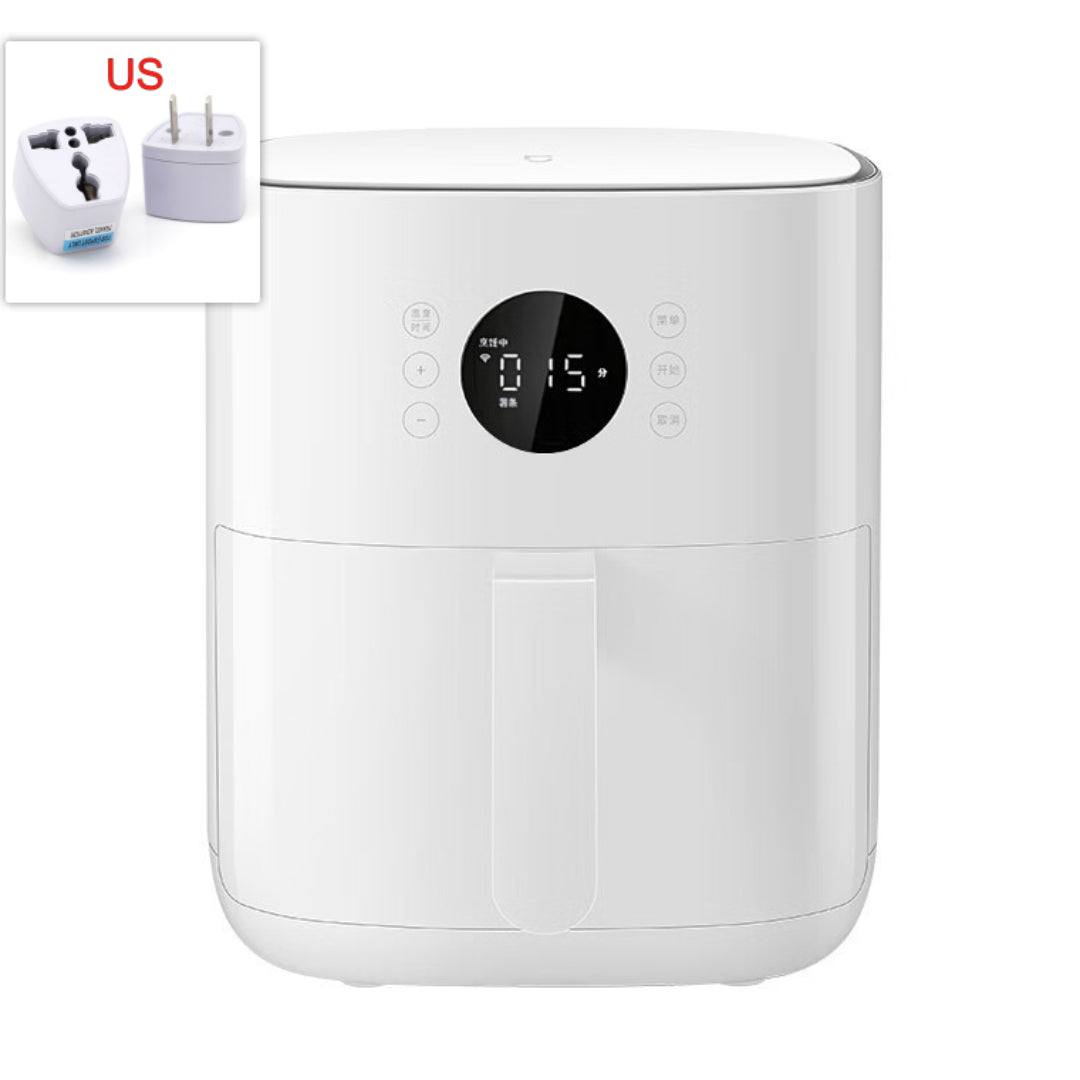
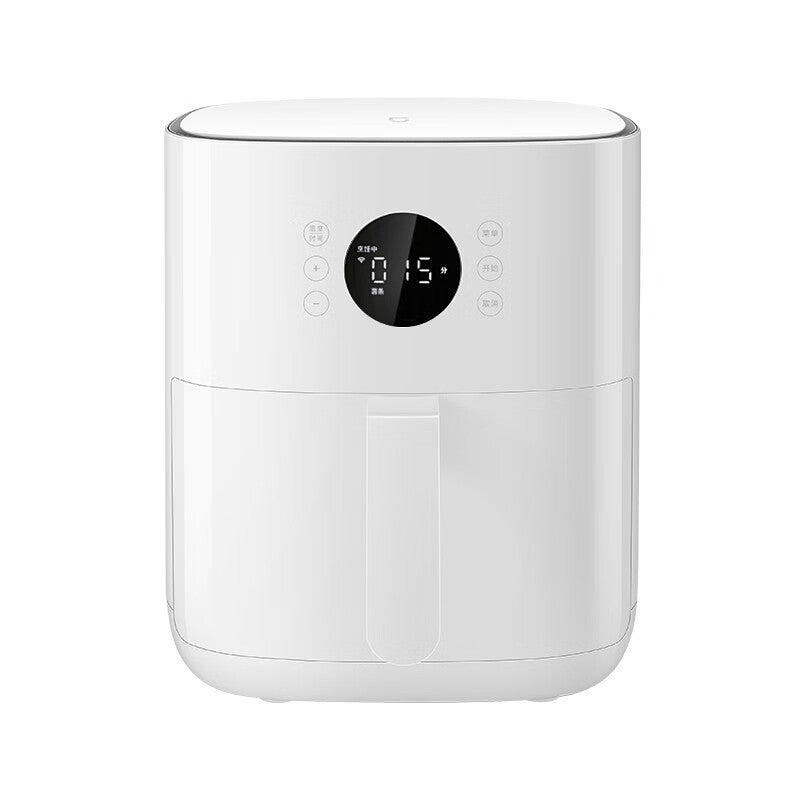
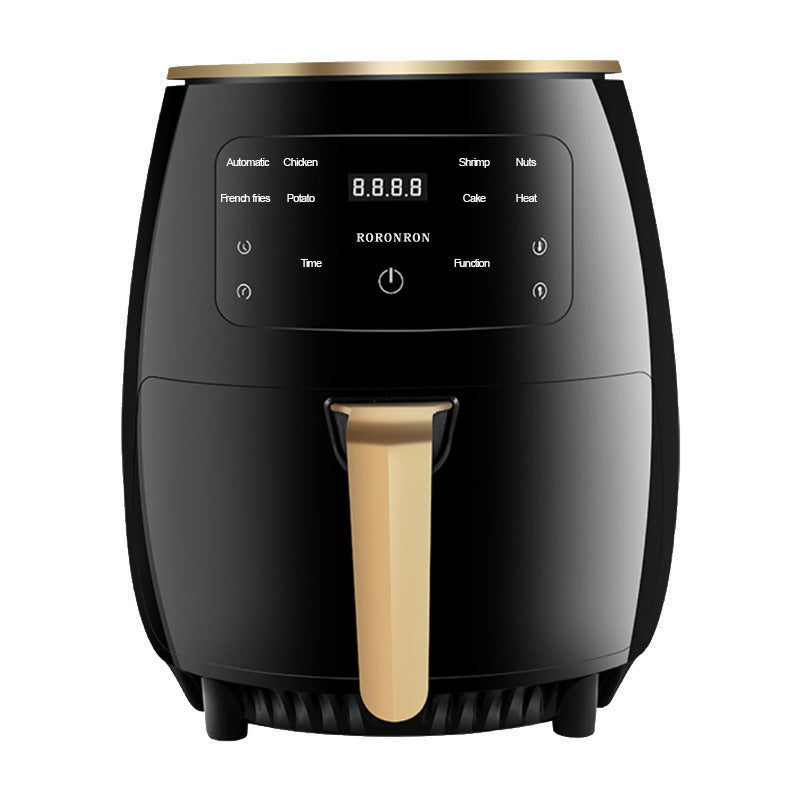
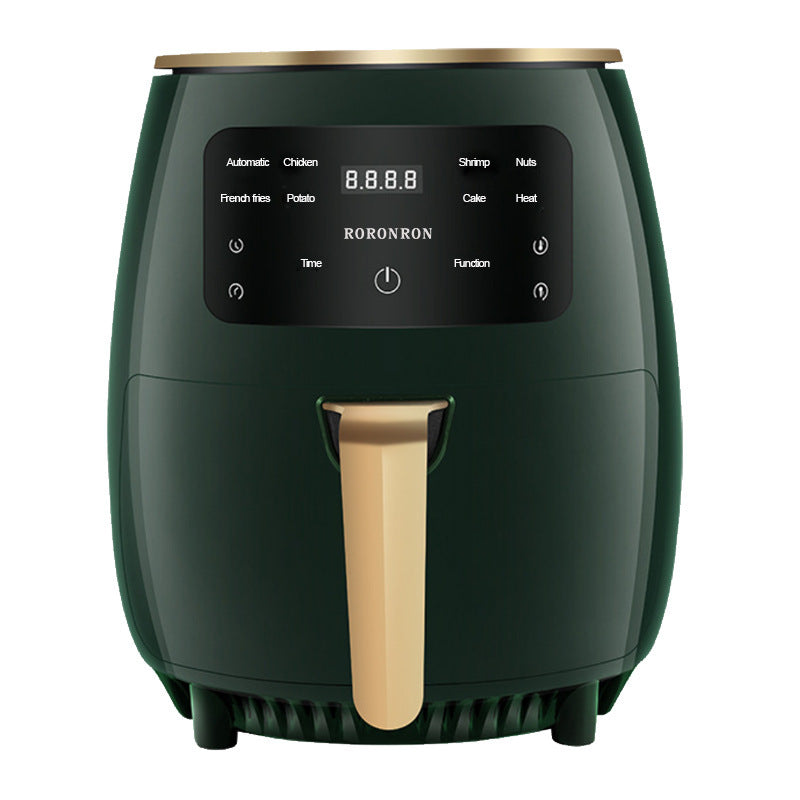
The HOMCOM Dual Zone Air Fryer 8.5L (£83.24) is ideal if you want to cook two dishes simultaneously without compromising space. Its SYCNFinish sync technology ensures both baskets finish at the same time, eliminating the frustration of one batch being ready while the other needs more time. With 8 presets and a temperature range up to 200°C, it handles most everyday cooking tasks.

For baking-focused households, the HOMCOM 15L Convection Mini Oven Toaster (£56.56) delivers better results. It reaches 230°C and includes adjustable shelf positioning across four levels, giving you the flexibility to bake multiple trays or larger items. The 60-minute timer and glass door let you monitor progress without opening it and losing heat.
Retailers stocking both options, rather than pushing you toward one, are worth trusting. They understand that different households have different needs.
How to Choose Energy Efficient Kitchen Appliances
Energy efficiency ratings are printed on every appliance sold in the UK, but many shoppers ignore them because the labels look confusing. Understanding what they mean saves you money and reduces your environmental footprint.
The Energy Label shows a rating from A (most efficient) to G (least efficient). An A-rated fridge freezer uses roughly 40% less energy than a G-rated one (energysavingtrust.org.uk). Over a decade, that difference translates to hundreds of pounds in electricity costs. For appliances you use daily, fridges, cookers, washing machines, the efficiency rating directly impacts your household bills.
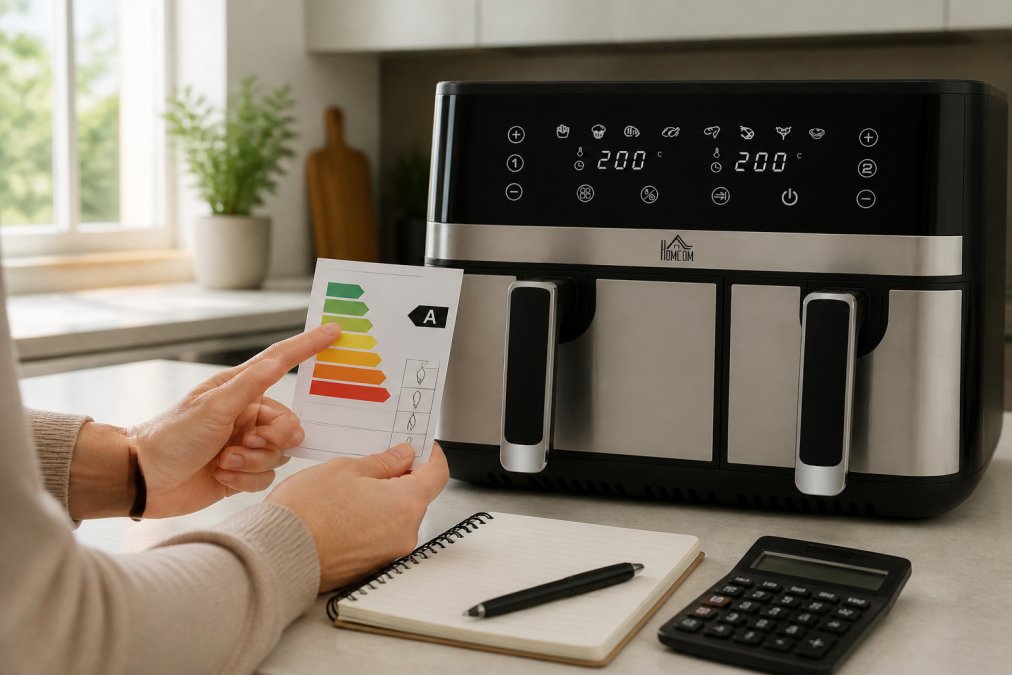
Look beyond the letter grade. The label also shows annual energy consumption in kWh, which lets you compare actual usage. A fridge consuming 150 kWh per year versus 200 kWh per year might look similar at first glance, but that 50 kWh difference is real money over time.
Some retailers highlight energy-efficient options in their product descriptions. iHome Direct, for instance, curates appliances designed for modern homes, meaning they stock items that balance functionality with reasonable energy consumption. The HOMCOM 46L Lockable Mini Fridge (£96.74) carries an Energy Rating E and uses 80 kWh per year, making it efficient for its size category, valuable if you're adding extra cooling to a bedroom or home office without running up bills.

When comparing models, check the kWh figure first, then cross-reference the letter rating to confirm it's genuinely efficient in its category. A large fridge will use more total energy than a small one, that's normal. What matters is whether it's efficient relative to others its size.
Independent Retailers vs National Chains: Where to Shop
This choice often comes down to what you value. National chains like Argos and Currys offer massive product ranges, competitive pricing through economies of scale, and established return policies. You know what you're getting because the brand is familiar. Their showrooms let you see items in person before buying.
Independent retailers and specialist online retailers like iHome Direct offer something different: curated product selection. Rather than stocking everything, they focus on items chosen for quality and design. This means fewer options overall, but each option is more carefully considered. You're less likely to end up with budget tat that looks tacky in your flat.
Independents often provide more personalised customer service. You might speak to someone who actually knows the products rather than reading from a script. They're more willing to negotiate on price or throw in extras like free delivery to build loyalty. They also tend to care more about your experience because they can't rely on brand recognition alone.
The trade-off is selection and convenience. A national chain has everything in stock; an independent might need to order items. A chain has hundreds of locations; an independent might be online-only or have one showroom. Decide whether you value choice and familiarity or personal service and curation.
For renters and those setting up first flats on a budget, the curated approach often wins. You get appliances that actually look good in a modern space rather than generic products that fill a category.
Disposal and Recycling Services: A Hidden Advantage
Most shoppers overlook this until they're trying to get rid of an old appliance. What happens to your old fridge freezer when you buy a new one? Can the retailer take it away? Will they recycle it responsibly, or is it your problem?
Retailers offering collection and recycling services make life significantly easier. Some will remove your old appliance when delivering the new one, handling disposal through proper recycling channels. This saves you the hassle of arranging separate collection and gives you confidence that the item isn't ending up in a landfill.
In the UK, the Waste Electrical and Electronic Equipment Regulations (WEEE) require retailers to take back old electrical items. However, many only do this if you buy a replacement from them. Some charge for collection; others include it. Ask explicitly before purchasing, this detail often gets buried in the fine print.
Retailers promoting their recycling practices are signalling that they think about the full lifecycle of products, not just the sale. It's a marker of business maturity and environmental responsibility. For items like fridges containing refrigerants or electronics with hazardous materials, proper disposal isn't optional, it's a legal requirement. Choosing a retailer that handles this for you removes a genuine headache.
Making Your Choice: A Comparison Framework
Rather than comparing retailers on price alone, use this framework to evaluate which option suits your situation best.
| Factor | What to Check | Why It Matters |
|---|---|---|
| Delivery Speed | Next-day or 2-day options available | Reduces wait time when setting up home |
| Customer Support | Multiple channels; 24-hour response time | Matters when things go wrong |
| Warranty Terms | Standard vs extended; accidental damage coverage | Long-term protection and peace of mind |
| Product Range | Curated selection vs everything in stock | Affects whether you find what you need |
| Pricing | Exact prices, not "from" ranges; price matching | Ensures you're comparing apples to apples |
| Installation Services | Included, optional, or unavailable | Critical for large appliances |
| Returns Policy | Timeline, restocking fees, condition requirements | Determines your safety net |
| Energy Ratings | Highlighted in product descriptions | Affects running costs over time |
| Recycling Services | Collection and disposal included or charged | Simplifies replacing old appliances |
Start by identifying which factors matter most to you. If you're renting a small flat, compact size and fast delivery might outweigh price. If you're setting up a family home, warranty and installation services become priorities. If you're budget-conscious, price matching and energy efficiency ratings deserve focus.
Once you've ranked your priorities, evaluate 2-3 retailers against each criterion. You'll quickly see which one aligns best with what you actually need rather than what marketing suggests you should want.
Conclusion
Choosing an appliance city alternative comes down to understanding what matters in your specific situation and finding a retailer that delivers on those priorities. Whether you prioritise fast delivery, excellent customer care, energy-efficient products, or a carefully curated range of modern appliances, the right retailer exists, you just need to know what to look for.
iHome Direct specialises in curated kitchen appliances and home goods designed for modern living. With fast UK delivery, secure checkout, and a focus on products that combine functionality with effortless style, we make it straightforward to find appliances you'll actually use and enjoy. Explore our range of air fryers, coffee makers, and home essentials today and transform your living space with confidence.
Frequently Asked Questions
What makes a reliable appliance retailer different from Appliance City?
Reliable retailers prioritise customer care, offer extended warranty options, provide transparent delivery timescales, and maintain clear return policies. Look for those with established customer feedback, responsive support teams, and proper consumer protection measures. Independent retailers often provide more personalised service, whilst national chains offer broader product ranges. The best choice depends on whether you value specialist advice or wide selection.
Is an air fryer or convection oven better for baking?
Convection ovens are generally superior for baking because they distribute heat evenly across larger spaces and maintain precise temperatures for longer periods. Air fryers work best for quick, crispy cooking of smaller items. For serious baking, a convection oven like the HOMCOM 15L model (£56.56) offers better control. However, air fryers excel at reheating and cooking frozen foods quickly, the HOMCOM Dual Zone Air Fryer (£83.24) is ideal if you need speed and versatility over traditional baking.
How do I know if a kitchen appliance is energy efficient?
Check the energy rating label, typically shown as A to G, with A being most efficient. Look for annual energy consumption figures in kilowatt-hours (kWh). Smaller appliances and those with smart features often use less energy. The HOMCOM mini fridge (£96.74) has an Energy rating E at 80kWh per year. Compare wattage between similar models, lower wattage generally means lower running costs.
Should I buy from a national chain or independent retailer?
National chains offer competitive pricing, loyalty schemes, and wide product ranges, making them suitable for budget-conscious shoppers. Independent retailers typically provide specialist knowledge, curated selections, and more flexible customer service. For modern, stylish appliances with fast delivery and secure checkout, curated retailers like iHome Direct balance affordability with quality curation. Choose based on whether you prioritise price and convenience (national chains) or personalised service and design focus (independents).
What should I do with my old appliances when I buy new ones?
Most retailers offer disposal and recycling services, either included or for a small fee. Responsible retailers handle Waste Electrical and Electronic Equipment (WEEE) properly, ensuring safe recycling of hazardous materials. Some provide collection when delivering new items. Always ask about these services before purchasing, it's both environmentally responsible and often more convenient than arranging removal yourself. Check whether the retailer offers this as part of their after-sales support.
Consumer Rights Act 2015 guidance
UK WEEE Regulations for electrical waste disposal
Energy Label information for household appliances
This article was written using GrandRanker