





































































Table of Contents
- Start With Your Kitchen: Assessing Needs and Measuring for Fit
- Build Quality: What Separates Durable Kitchen Appliances From Disposable Ones
- Most Reliable Kitchen Appliance Brands UK Buyers Can Trust
- Energy Efficiency, Running Costs and Total Cost of Ownership
- Best Durable Air Fryers for Families: What to Look For
- How to Maintain Kitchen Appliances for Longevity
- Kitchen Appliance Repair vs Replace Guide: Making the Right Call
- Frequently Asked Questions
Last Updated: September 11, 2026
Start With Your Kitchen: Assessing Needs and Measuring for Fit
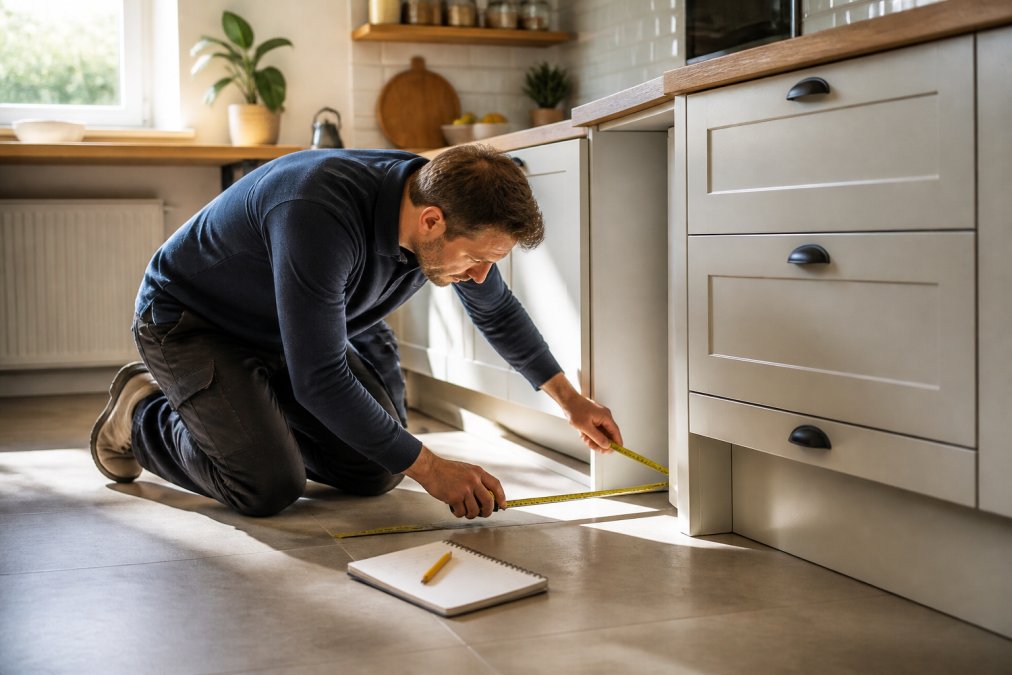
Buying durable kitchen appliances starts with your space, not the showroom. Measure every gap, note every doorway, and decide what the room actually needs before you spend anything. This guide walks through how to choose durable kitchen appliances that still work properly years from now.
A common mistake is buying on looks alone. A striking appliance that jams into a worktop corner, blocks a cupboard door, or fights the room's airflow becomes a daily irritation. Measure first, then shop.
Standard Dimensions and Appliance Footprint
Most fitted ovens, dishwashers and fridge freezers follow standard widths so they slot into standard cabinets. Freestanding units vary far more, so check the exact height, width and depth against your gap, then add a few centimetres of clearance for cables, plugs and door swing.
- Fitted ovens and dishwashers: usually built to a standard cabinet width
- Freestanding cookers and fridge freezers: check depth carefully, as doors and handles add extra
- Integrated appliances: confirm the cabinet door can be fitted to the front
Write the numbers down and take the list with you. It stops you buying something that "nearly" fits.
Ventilation, Noise Levels and Kitchen Workflow
Appliances need air. Ovens, hobs and fridge freezers all release heat, and a cramped corner with no airflow shortens their working life. Extractors and open windows help, and leaving a gap behind a fridge freezer lets the motor run cooler.
Noise matters in open-plan homes. Check the decibel rating before you buy, especially for dishwashers and extractors, because a loud appliance in a living space is a regret you live with daily.
Build Quality: What Separates Durable Kitchen Appliances From Disposable Ones
Build quality is the single best predictor of how long an appliance lasts. Weight, materials and finish tell you more than any marketing badge. Lift the door, feel the hinges, and check how solid the whole thing feels.
Materials, Finish Durability and Load Capacity
Stainless steel resists rust and cleans up well, though it shows fingerprints and needs a soft cloth rather than an abrasive pad. Cheaper plastics and thin metal scratch easily, and a scratched finish traps dirt and moisture.
Load capacity matters as much as strength. An oven rack that bends under a heavy roasting tin, or a fridge shelf that sags, signals thin material. Check the stated load capacity and how the shelves are supported.
- Heavier doors and metal hinges usually mean better construction
- Thick, composite bases spread heat more evenly and last longer
- Coated finishes resist scratching better than bare plastic
Most Reliable Kitchen Appliance Brands UK Buyers Can Trust
Reliability comes down to support after the sale.
Before buying, check three things: how long the warranty runs, whether spare parts are easy to order, and whether local engineers will service the model. A brand that stocks parts for years is a brand that expects its products to last.
Own-brand ranges from larger retailers often share parts with well-known models, which can make repairs simpler. Ask the seller directly about parts availability, and keep the receipt and warranty paperwork together.
| What to check | Why it matters | Where to look |
|---|---|---|
| Warranty length | Covers early faults | Product listing |
| Spare parts | Keeps repairs possible | Seller or manufacturer |
| Local service | Faster fixes | Manufacturer website |
Energy Efficiency, Running Costs and Total Cost of Ownership
A cheaper appliance can cost more over its life. Energy efficiency rating, running costs and repairs all feed into total cost of ownership, and that total is what you should compare, not the sticker price. Most buying guides stop at the energy label. The more useful approach is to build a simple lifecycle cost picture before you commit.
Reading the Energy Label Properly
The energy label rates the appliance on a scale from A to G, with A being the most efficient. The label also states estimated annual energy use in kilowatt-hours (kWh), which is the number you actually want. Two appliances can both carry an A rating but differ meaningfully in annual kWh because of size, capacity or features.
For a fridge freezer, which runs continuously, the annual kWh figure is the single most important number on the label. For a dishwasher or washing machine, the label also shows water use per cycle, which matters if you are on a metered supply. Note the noise rating in decibels too, because a quieter appliance often uses a more efficient motor.
Building a Simple Lifecycle Cost Picture
You do not need a spreadsheet to compare two models. Work through four inputs:
- Purchase price, the upfront cost.
- Annual energy use, take the kWh figure from the label and multiply by your electricity unit rate. Your tariff documents will show the rate you pay per kWh.
- Expected repairs, a rough allowance for one or two service visits over the appliance's life, based on how easy parts are to source.
- Expected lifespan, how many years you realistically expect the appliance to last given its build quality and your usage.
Add the purchase price to the energy cost multiplied by the expected lifespan, then add your repair allowance. The model with the lower total is the better buy, even if it costs more on day one.
Why Repair Costs Belong in the Calculation
An appliance with cheap, widely available parts is easier and less costly to keep running than one where a single broken component means scrapping the whole unit. Before buying, ask the seller whether common spares, door seals, filters, heating elements, control boards, are stocked and how quickly they can be ordered. A model with a strong parts supply chain will usually have a lower lifetime cost than a slightly cheaper model with no spares support.
Energy label guidance and appliance efficiency ratings
Best Durable Air Fryers for Families: What to Look For
The best durable air fryers for families have a solid build, a sensible capacity and parts you can actually replace. Capacity comes first: a small basket suits one or two people, while a family of four or five needs a larger model.
Check the body material and the coating on the basket. Stainless steel and thick non-stick coatings hold up better than thin, cheap finishes that flake within months. Touch controls and automatic shut-off add convenience and safety, especially in busy homes.
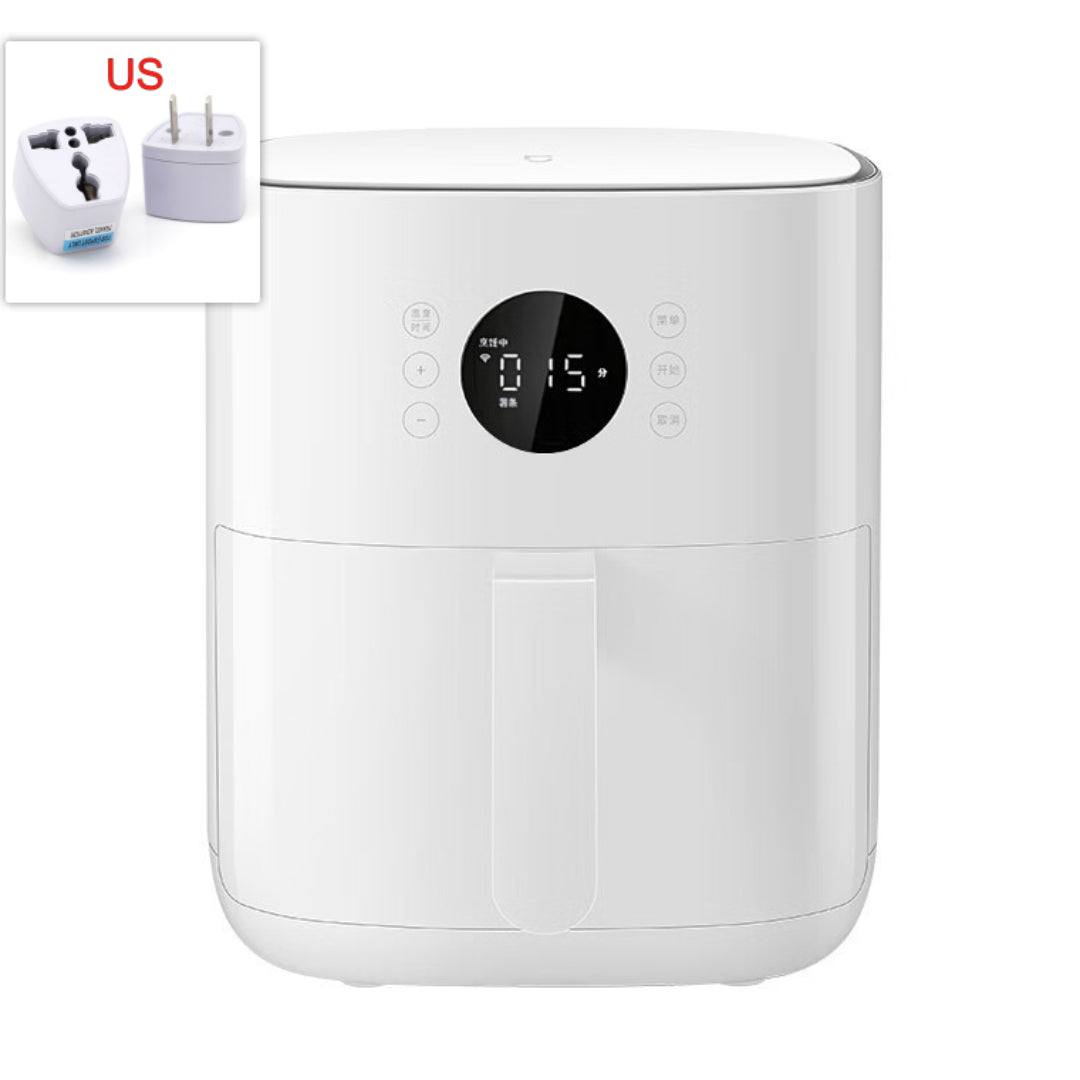
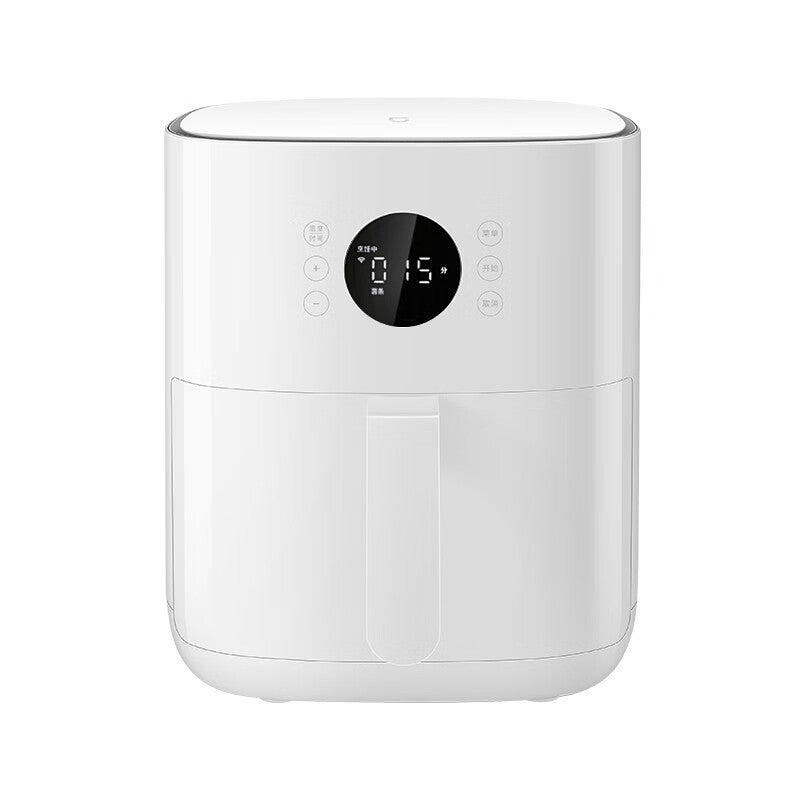
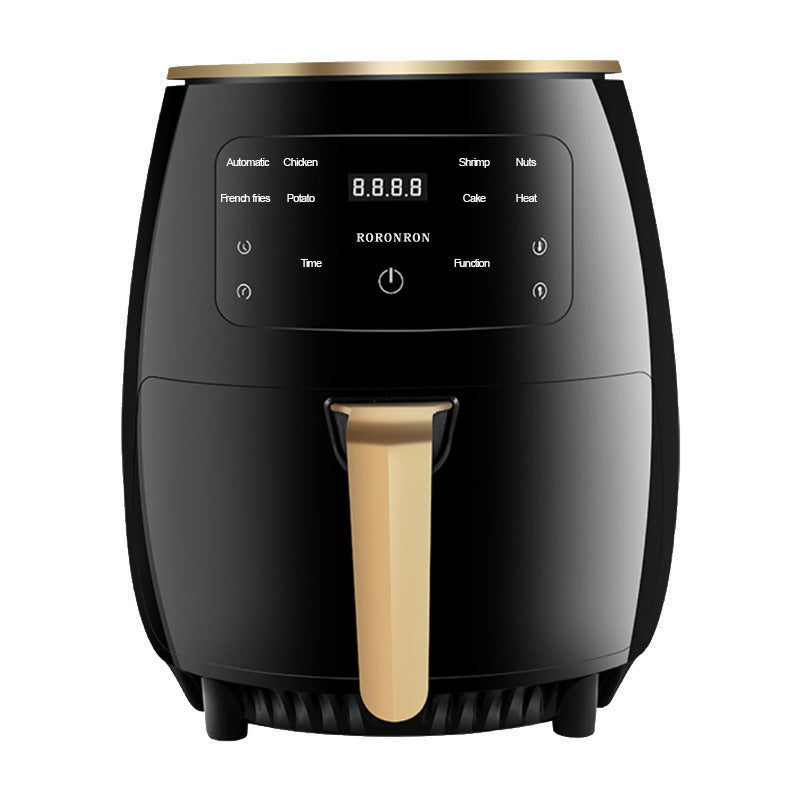
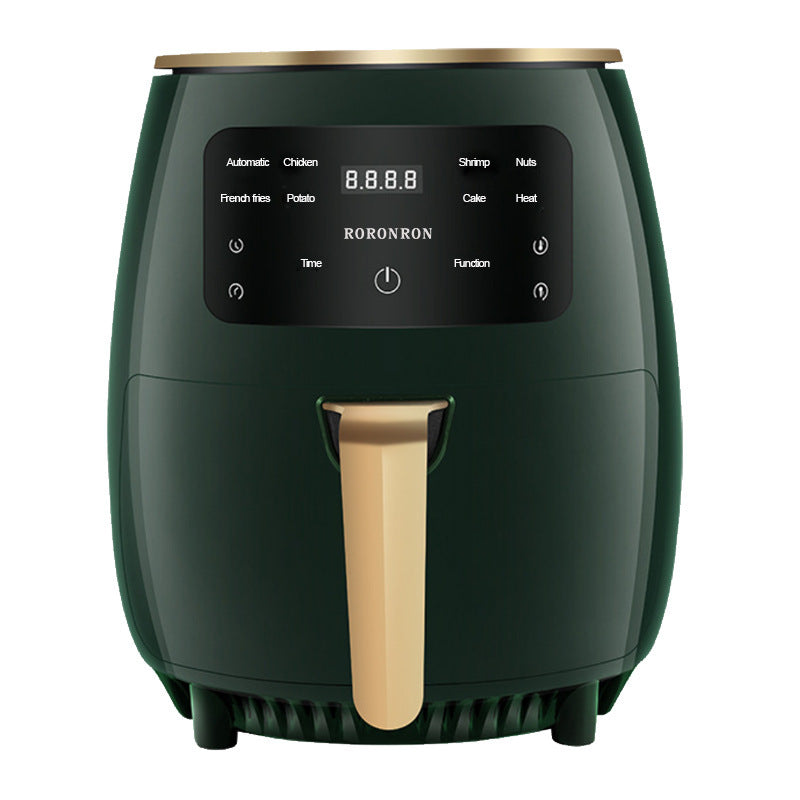
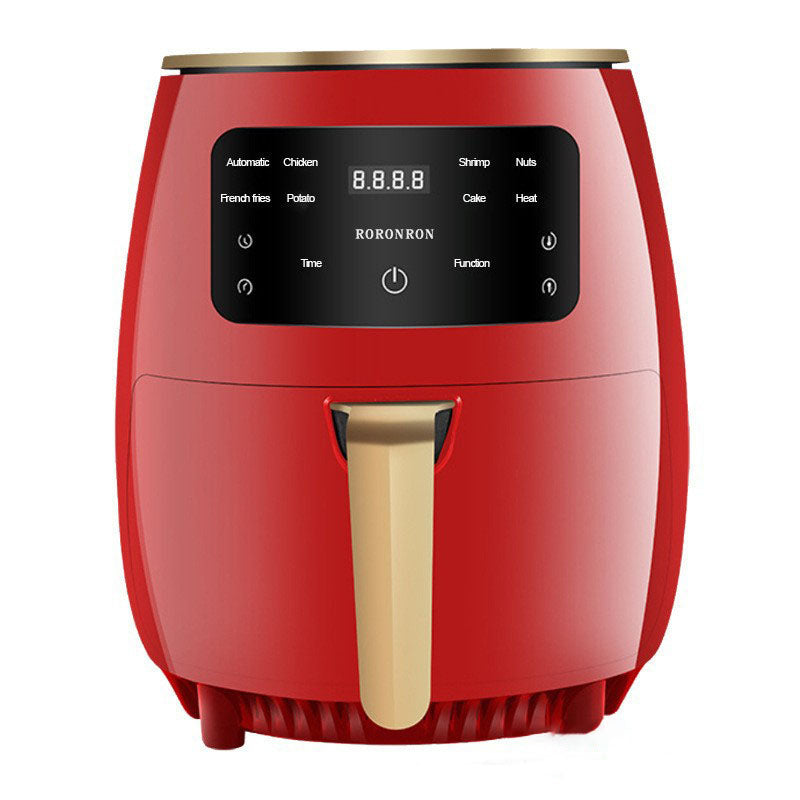
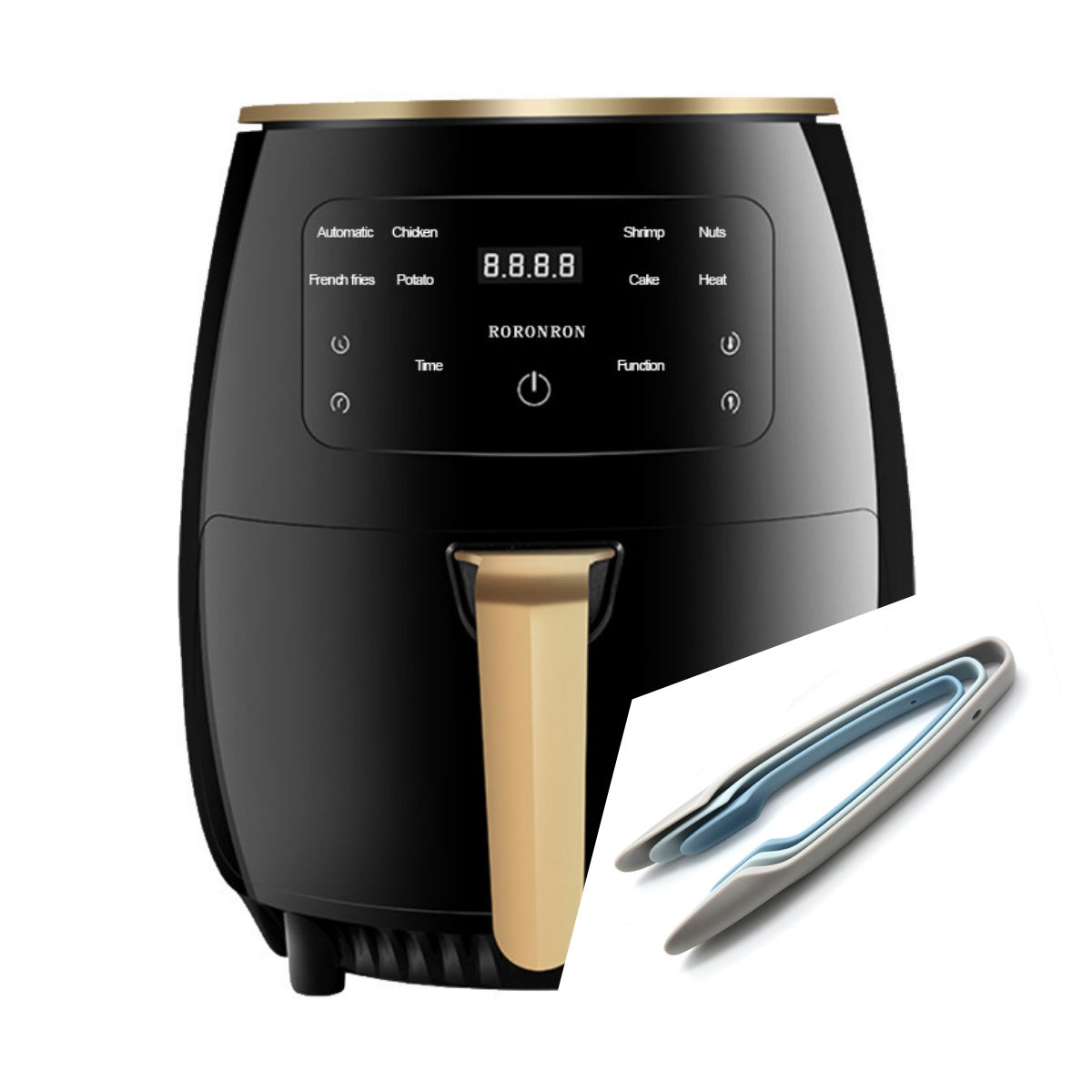
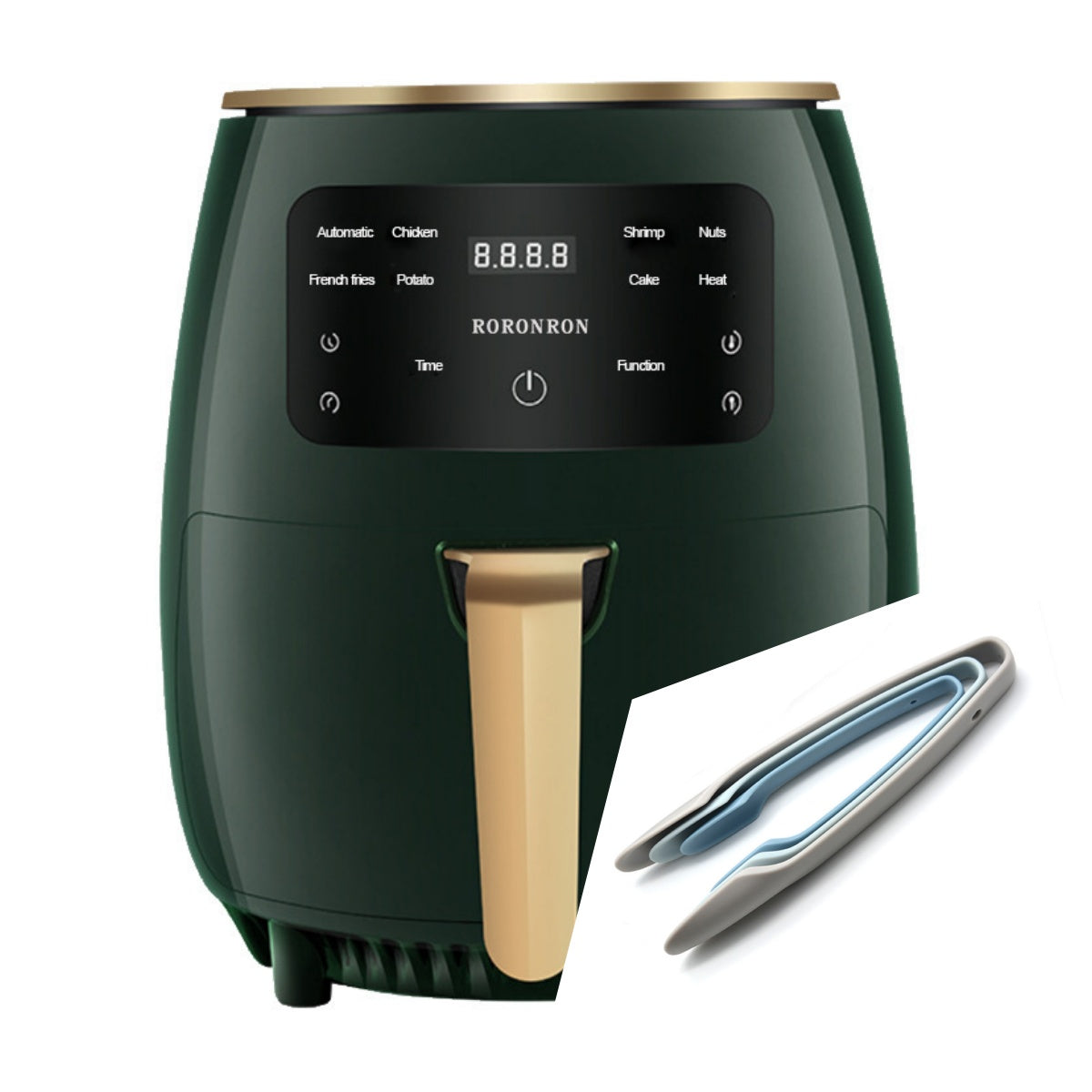
The Air Fryer Smart Touch Home Electric Fryer has a stainless steel body and automatic power-off. For larger households, the Home Multi-functional Intelligent Visual Air Fryer adds a touch display and overheating protection.


- Match the basket size to how many people you cook for
- Prefer stainless steel or thick coated baskets over thin finishes
- Look for automatic shut-off as a safety feature
How to Maintain Kitchen Appliances for Longevity
Maintenance is the cheapest way to extend an appliance's life. Cleaning filters, checking seals and keeping vents clear prevent most common faults, and none of it takes long.
Preventative Maintenance and Spare Parts Availability
Set a simple routine. Clean the extractor filter, wipe fridge seals, descale kettles and check oven door seals. Keep vents and coils dust-free, because trapped dust makes motors work harder and run hotter.
Stock a few spare parts before you need them. Door seals, filters and shelves are cheap and easy to fit, and having them on hand turns a potential breakdown into a five-minute fix.
- Clean extractor and tumble dryer filters monthly
- Wipe fridge and freezer door seals every few weeks
- Descale kettles and coffee machines regularly
- Check oven and dishwasher seals for cracks
- Clear dust from vents and coils twice a year
Kitchen Appliance Repair vs Replace Guide: Making the Right Call
Repair usually wins when the appliance is under warranty, the fault is minor, and spare parts are easy to find. Replace when repairs cost a large share of a new unit, or when the appliance is old and inefficient. That is the standard advice. The more useful question is how to tell, before you buy, whether an appliance will be repairable at all, because that determines whether you will face this decision in three years or ten.
How to Spot a Repairable Appliance Before You Buy
Most guides focus on buying. Few explain how to identify appliances with easily accessible parts or common failure points. Look for these signals:
- Access panels and screws, not sealed units. If the back or base of the appliance can be opened with standard tools, it can be serviced. Appliances held together with clips or sealed housings are often designed to be replaced rather than repaired.
- Modular components. A heating element, pump or control board that can be unplugged and swapped is far better than one wired directly into the appliance. Ask the seller whether key components are modular.
- Published parts diagrams. Manufacturers who publish exploded parts diagrams and part numbers expect their products to be repaired. If you cannot find a parts list online, that is a warning sign.
- Common failure points. Door seals, filters, heating elements and control boards are the parts that fail most often. Check that these are user-replaceable or easily sourced.
The Repair-or-Replace Decision in Practice
Use this rule of thumb: if a repair costs more than roughly half the price of a comparable new appliance, and the unit is past its expected life, replacement often makes more sense. If the fault is a worn seal or filter, repair it. But weigh three further factors:
- Age and expected remaining life. An appliance halfway through its expected lifespan is usually worth repairing. One near the end is not.
- Efficiency gap. Replacing an old, inefficient model with an efficient one can cut running costs, so the energy saving may offset part of the purchase price over time.
- Parts availability. If the part you need is discontinued, repair is not an option regardless of cost.
| Situation | Better choice | Why |
|---|---|---|
| Minor fault, under warranty | Repair | Covered, low cost |
| Worn seal or filter | Repair | Cheap, easy fix |
| Old and inefficient | Replace | Lower running costs |
| Repair over half the new price | Replace | Poor value |
| Part discontinued | Replace | Repair not possible |
The Environmental Case for Repair
Repairing keeps a working appliance out of the waste stream and saves the materials and energy used to build a new one. When replacement is unavoidable, check whether the retailer offers take-back or recycling of the old unit, and whether the manufacturer has a circular economy programme that recovers parts or materials. Choosing brands with published recycling or parts-recovery schemes makes the eventual disposal less wasteful.
Recycling and disposal guidance for electrical appliances
Frequently Asked Questions
Which kitchen appliance brand lasts the longest?
There is no single brand that wins across every appliance type. Longevity depends more on build quality, spare parts availability and how well you maintain the unit. Brands with strong after-sales service and widely stocked components tend to keep appliances running for 10 to 15 years. When comparing durable kitchen appliances, check whether the manufacturer stocks replacement parts and offers a clear warranty period. A mid-range model from a brand with good support often outlasts a premium badge with poor repairability.
What should I look for when buying long-lasting kitchen appliances?
Focus on four things: build quality, energy efficiency rating, warranty coverage and repairability. Metal components outlast plastic ones, and a higher energy rating reduces total cost of ownership over the appliance lifecycle. Check the warranty terms carefully, including what is excluded. Also confirm that spare parts and service engineers are available in your area. A model with a longer warranty and easy access to parts is usually the safer investment, even if it costs slightly more upfront.
How can I tell if a kitchen appliance is built to last?
Look at the weight, the materials and the door or lid mechanism. Heavier appliances typically use more metal and fewer brittle plastics. Check hinges, seals and controls for a solid feel. Noise levels and decibel ratings also indicate motor quality. A quiet appliance often has a better-engineered motor. Finally, read the warranty terms and check whether the brand publishes repairability information or stocks spare parts. These signals separate durable kitchen appliances from short-lived ones.
Is it worth repairing an old appliance or should I replace it?
Use the 50/50 rule as a starting point: if the repair cost is more than half the price of a new appliance, replacement usually makes more sense. Also factor in the age of the unit and its energy efficiency rating. An older appliance that is expensive to run may cost more over time than a new efficient model. If parts are still available and the repair is straightforward, fixing it keeps a working appliance out of waste and saves money.