





































































































Table of Contents
- Verify the Retailer Before You Buy
- Use Secure Payment Methods for Online Shopping
- Check Warranty, Return Policies and Your Consumer Rights
- Assess Product Quality Before Checkout
- Protect Your Kitchen Essentials During Delivery
- Shop for Kitchen Essentials Online Safely with Confidence
- Frequently Asked Questions
Last Updated: August 31, 2026
Verify the Retailer Before You Buy
The foundation of safe online shopping is knowing who you're buying from. Before adding anything to your basket, spend a few minutes verifying that the retailer is legitimate and trustworthy.

Check for security signals and regulatory registration. A legitimate retailer displays trust badges, security certifications, and clear contact information. Look for a padlock icon in your browser's address bar and ensure the URL begins with "https://" rather than "http://". Check whether the retailer is registered with the Information Commissioner's Office (ICO) if they collect personal data, and verify they hold appropriate business registration. Search the Companies House register to confirm the business exists and check how long it's been trading. Newly established companies with minimal online presence warrant extra caution, particularly if they're selling high-value items.
Verify membership in consumer protection schemes. Reputable retailers often belong to schemes such as Trustmark, Which? Trusted Traders, or the British Retail Consortium (BRC). These memberships mean the retailer has been vetted and agrees to follow a code of conduct. If a dispute arises, these schemes offer dispute resolution at no cost to you. Check the scheme's website directly to confirm the retailer's membership rather than relying on badges alone, as fraudulent sellers sometimes display fake credentials.
Research the retailer's reputation independently. Search for the company name alongside words like "reviews," "complaints," or "scam." Read what actual customers say about their experiences, particularly regarding delivery speed, product authenticity, and how the retailer handles returns. Look for patterns: widespread complaints about counterfeit goods, missing items, or unresponsive customer service are serious red flags. Check independent review sites and consumer forums, not just the retailer's own website.
Verify their physical address and contact details. Legitimate retailers provide a real postal address, phone number, and email contact. Use Google Maps to confirm the address exists and matches the business. Try calling or emailing with a simple question before you buy; this tells you whether they respond promptly and professionally. Fraudulent sellers often provide fake addresses or use shared office spaces that don't actually house their operation.
Look at their returns and refund policy before checkout. A transparent policy shows the retailer stands behind their products. Under the Consumer Rights Act 2015, you have the right to return goods within 14 days if you change your mind, so any retailer operating in the UK should make this clear. Check whether they specify who pays for return postage and how long refunds take to process.
Watch for red flags that suggest a fraudulent operation. Be wary of retailers offering prices significantly lower than competitors for identical items. Avoid sites with poor grammar, spelling errors, or awkward phrasing throughout. If a retailer demands payment only by bank transfer, cryptocurrency, or gift cards, walk away immediately. Check whether the retailer has a social media presence with genuine customer interactions, not just promotional posts.
Use Secure Payment Methods for Online Shopping
Your payment method is your primary defence against fraud and unauthorised transactions.
Credit cards offer strong protection for online purchases. If you dispute a transaction, your card issuer can investigate and reverse fraudulent charges under Section 75 of the Consumer Credit Act 1974. This protection applies even if the retailer is uncooperative. Debit cards provide less statutory protection, though many banks now offer their own fraud guarantees.
PayPal and similar digital wallets add an extra layer of security by keeping your payment details private. If a dispute arises, the payment provider can intervene.
Never use bank transfers or cash payments for online shopping. These methods offer no protection if the retailer fails to deliver or sends faulty goods. Once the money leaves your account, you have limited recourse.
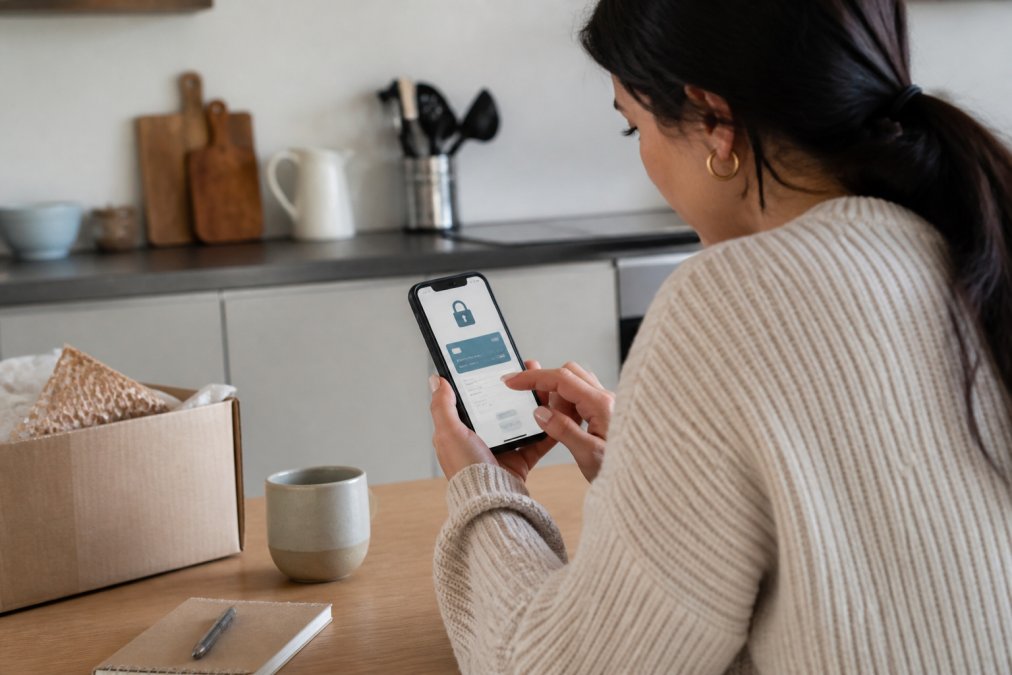
Avoid retailers that demand unusual payment methods. If a site insists on bank transfer, cryptocurrency, or gift cards as the only option, walk away.
Two-factor authentication adds security to your account. If the retailer offers this option during registration or checkout, enable it. This requires you to verify your identity through a second method, usually a code sent to your phone, making it harder for someone else to access your account if your password is compromised.
Check Warranty, Return Policies and Your Consumer Rights
Understanding your legal rights before you buy prevents frustration later. The Consumer Rights Act 2015 establishes baseline protections for all online purchases in the UK, regardless of where the retailer is based.
You have the right to return goods within 14 days if you change your mind, provided they're unused and in original condition. The retailer must offer a refund, replacement, or repair. Some retailers offer longer return windows as a goodwill gesture.
Goods must match their description and be of satisfactory quality. If a kitchen gadget arrives damaged, doesn't work as advertised, or breaks within a reasonable timeframe, you can request a refund or replacement. "Satisfactory quality" means the product should work as a reasonable person would expect for the price paid.
Check the warranty separately from the return policy. A warranty covers defects in manufacturing or materials, typically for a set period after purchase. Many kitchen essentials come with 12-month warranties as standard. Some retailers, including iHome Direct, offer extended protection options like shipping protection to safeguard your purchase during delivery.

If a product fails within six months of purchase, the law assumes it was faulty when it left the retailer, placing the burden on them to prove otherwise. After six months, you'd need to prove the fault existed at the time of purchase, which is harder.
Keep your proof of purchase and any correspondence with the retailer. Screenshots of the product listing, your order confirmation, and delivery confirmation are all useful if you need to make a claim.
Assess Product Quality Before Checkout
Reading product descriptions carefully prevents disappointment when items arrive. For kitchen essentials, it also protects your health and safety. Counterfeit and substandard kitchen goods are a genuine risk when shopping online, particularly for well-known brands.
Verify the product's authenticity and source. Check whether the retailer is an authorised reseller of the brand. Visit the manufacturer's official website and look for a list of approved retailers; if the online shop isn't listed, contact the brand directly. Counterfeit kitchen items, particularly non-stick cookware and small appliances, are common on some marketplaces. Authentic products come with proper packaging, correct branding, and serial numbers that match the manufacturer's records.
Check for food-safety certifications and compliance marks. Kitchen items that contact food must meet specific safety standards. Look for CE marking on electrical appliances, which indicates they meet safety standards for the UK market. Non-stick cookware should specify the type of coating used; PTFE coatings must be food-safe and applied to approved standards. Stainless steel should be food-grade (typically 18/10 or 18/8 stainless steel). Bakeware and storage containers should be labelled as food-safe.
Check the material composition and construction quality. The description should specify materials clearly and include the gauge (thickness) of metal used. If it's vague, saying only "high-quality" or "durable," that's a warning sign. Heavier cookware often indicates better construction, but weight alone isn't reliable; check whether the base is reinforced and whether handles are securely attached or riveted rather than glued.
Look at product dimensions, weight, and capacity against your actual needs. Check the measurements against your available space and storage. For appliances like blenders or air fryers, verify the capacity matches what you'll actually use. Weight indicates build quality to some degree; compare the weight of similar products to spot unusually light items that might use cheaper materials.
Read customer reviews critically and look for patterns. Focus on recent reviews from verified purchasers who've actually received and used the product. Look for patterns in complaints; if multiple people mention the same issue, such as non-stick coating peeling, handles breaking, or the product arriving damaged, that's significant. Pay attention to reviews mentioning authenticity concerns or the product arriving different from the listing photo.
Verify the product's origin and manufacturing standards. Check where the product is manufactured and whether it meets relevant standards for the UK market. iHome Direct curates its selection and verifies product quality and authenticity before stocking items. This curation reduces the risk of receiving substandard or counterfeit goods compared to open marketplaces.
Look for specific features that match your needs and verify they're genuine. Compare wattage, capacity, temperature range, and included accessories. A cheaper option might lack features you'll actually use, making it poor value despite the lower price.
Protect Your Kitchen Essentials During Delivery
Once you've completed your purchase, protecting your items during transit becomes the priority. Many online orders arrive damaged because packaging failed, not because the retailer or courier was negligent.
Ask the retailer about their packaging standards. Quality retailers use appropriate materials, bubble wrap, foam, or air pillows, to cushion fragile items. If a retailer offers shipping protection, like iHome Direct's Shipping Protection service, consider adding it. This coverage protects against loss or damage during delivery.
Track your delivery in real time. Most couriers provide tracking numbers that let you see where your package is and when it will arrive. This helps you ensure someone's home to receive it and allows you to intervene if something goes wrong.
Inspect packages when they arrive before signing for them. If the box is visibly damaged, dented, or wet, note this before accepting delivery. Take photos if you're concerned. If you receive damaged goods, contact the retailer immediately with photographic evidence.
Store items properly once they arrive. Kitchen essentials like cookware, utensils, and storage racks should be cleaned and dried before use. Check that nothing is missing from the box and compare the contents against your order confirmation.
Shop for Kitchen Essentials Online Safely with Confidence
Combining these practices creates a strong approach to safe online shopping. You're not eliminating all risk, but you're dramatically reducing the chances of problems.
Start by choosing retailers you trust. Verify their credentials, read reviews, and check their policies before you buy. Use secure payment methods that give you protection if something goes wrong. Understand your legal rights under the Consumer Rights Act 2015. Assess products carefully before checkout so you know what to expect when items arrive. Protect your purchase during delivery by choosing appropriate shipping options and tracking your order.
When you shop with care, online purchasing becomes a convenient way to find kitchen essentials without leaving home. You get access to a wider range of products than most high street shops stock, often at competitive prices.
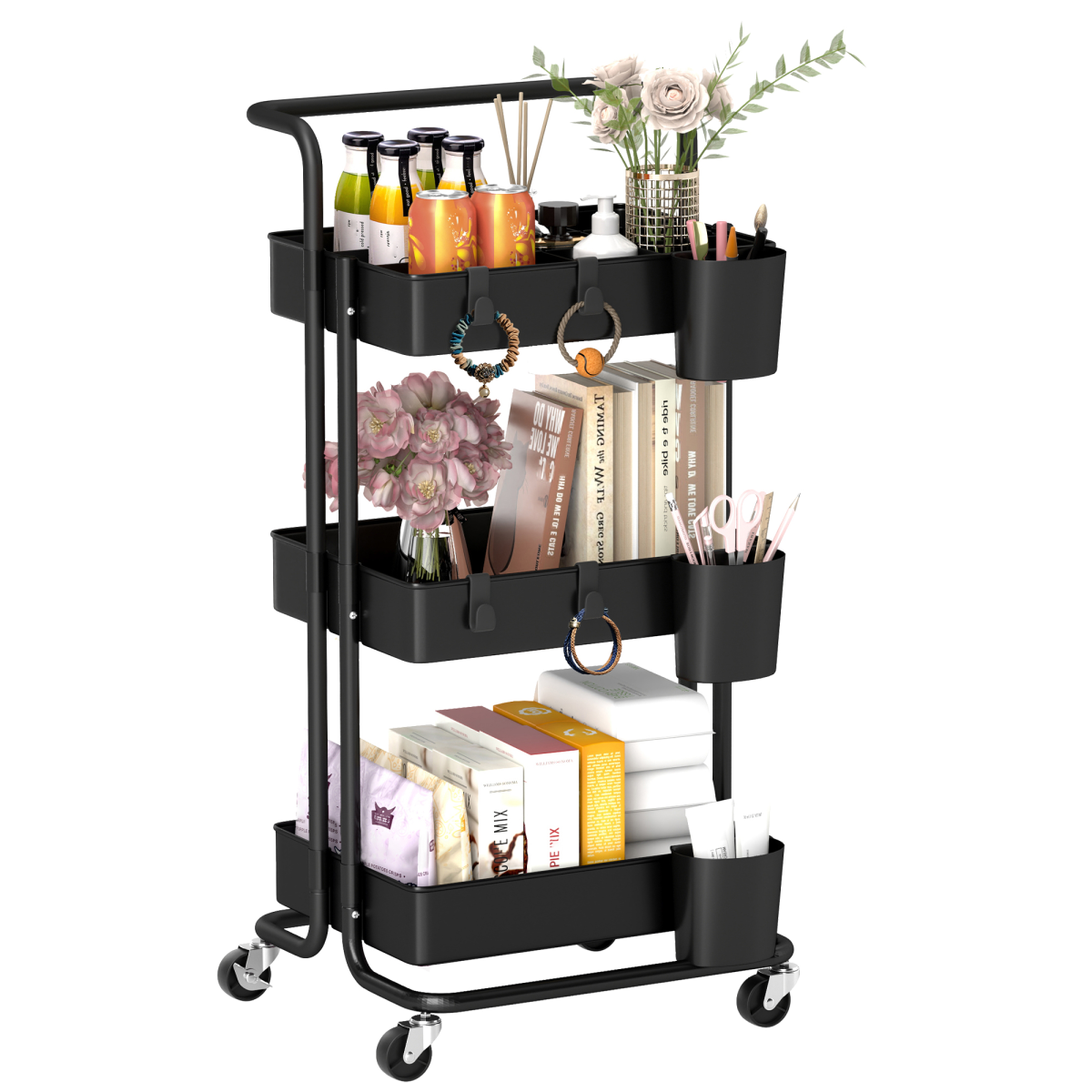
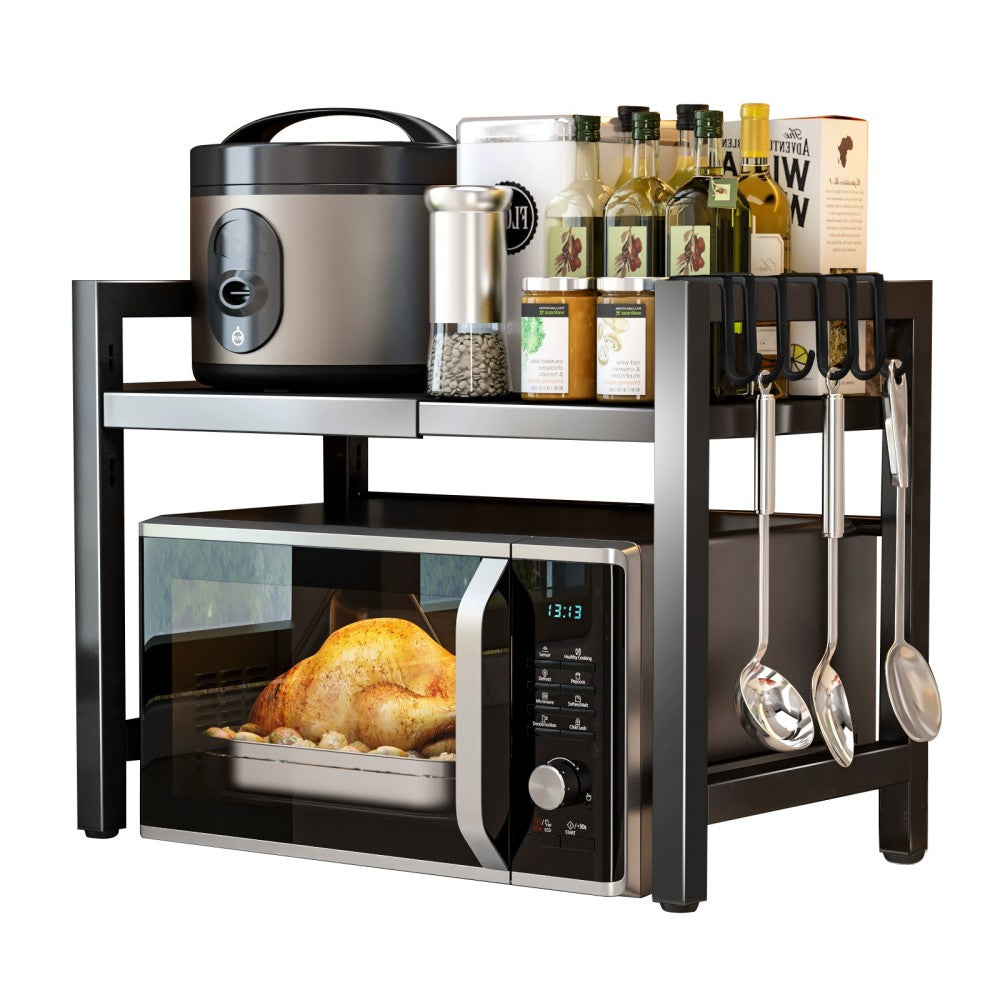
Shopping for kitchen essentials online doesn't have to be stressful when you follow a few straightforward steps. At iHome Direct, we've built our reputation on secure checkout processes, fast UK delivery, and transparent policies so you can shop with confidence. Our curated selection of modern kitchen appliances, from efficient air fryers to versatile blenders and smart storage solutions, arrives safely thanks to quality packaging and optional Shipping Protection. Browse our collection today and discover how affordable, stylish kitchen essentials can transform your cooking routine without the worry. Consider our Seasoning Bottle Kitchen Hanging Storage Rack for £15.24, the Kitchen Storage Rack for £17.24, or the Kitchen Tools Household Kitchen Knife Sharpening Stone for £8.44 to enhance your home.


Frequently Asked Questions
How can I verify if an online kitchenware shop is legitimate?
Check for an HTTPS padlock in the address bar, read recent customer reviews on independent sites, and verify the company's contact details and returns policy are clearly displayed. Look for a physical address and customer service phone number. Avoid sites with poor grammar, blurry product images, or suspiciously low prices that seem too good to be true.
What payment methods offer the most protection when buying kitchen appliances?
Credit cards and PayPal offer the strongest buyer protection under UK law. Credit cards provide chargeback protection if goods don't arrive or are misrepresented. PayPal's Buyer Protection covers eligible purchases. Debit cards offer less protection than credit cards. Avoid bank transfers or payment methods that cannot be reversed. Always use a secure checkout with HTTPS encryption when entering payment details.
What are my consumer rights when buying kitchen goods online in the UK?
Under the Consumer Rights Act 2015, you have the right to reject faulty goods within 30 days and receive a full refund. Goods must be of satisfactory quality, fit for purpose, and match their description. You have 14 days to cancel most online purchases without reason. If goods arrive damaged or faulty after 30 days, you can claim under the retailer's warranty or request repair or replacement within a reasonable timeframe.
How do I spot fake reviews on kitchen appliance websites?
Fake reviews often use generic language, lack specific details about the product, or contain identical phrases repeated across multiple items. Suspicious patterns include all five-star ratings with no criticism, reviews posted within days of product launch, or accounts with no purchase history. Check independent review sites like Trustpilot alongside retailer reviews. Be wary of reviews that praise vague qualities without mentioning actual performance, durability or design features.
This article was written using GrandRanker